
Listen to this podcast in the app for free: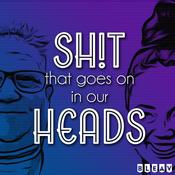 Download for free in the App Store
radio.net
Sleep timer
Save favorites
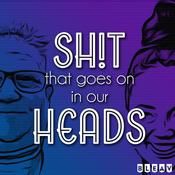
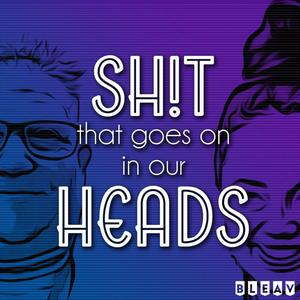
Sh!t That Goes On In Our Heads
G-Rex and Dirty Skittles, Bleav
Latest episode
242 episodes
You Are More Than Your Worst Mistake: Ranae on Healing After Prison, Resilience, and Second Chances — Part 2
10/22/2026 | 44 mins.Can prison become the place where someone finally begins to heal from a lifetime of trauma? In Part 2, Ranae Van Roekel returns with G-Rex and Dirty Skittles to discuss surviving a serious mental health crisis, discovering healthier coping skills during incarceration, rebuilding relationships, and creating a new purpose through Connecting to Cope.
Awards & Downloads
Sh!t That Goes On In Our Heads is a 2024 People’s Choice Podcast Award Winner (Best Health), 2024 Women in Podcasting Award Winner (Best Mental Health Podcast), 2026 Podcast Tonight Award Winner (Best Mental Health Podcast), and 2026 NYC Podcast Award Audience Choice Winner (Best Hosts), with over 4.5 million downloads and listened to in over 160 countries.
Feedback
We’d love to hear your thoughts! Leave us written or voice feedback here: https://castfeedback.com/67521f0bde0b101c7b10442a
Mental Health Quote
“You are not the worst thing you ever did.” — Ranae Van Roekel
Trigger Notice + 988 Crisis Reminder
Content Notice: This episode includes discussions of suicidal thoughts, severe depression, childhood sexual trauma, incarceration, and mental health treatment. The conversation also explores recovery, self-worth, and the importance of supportive relationships.
If you or someone you know is experiencing a mental health crisis in the United States, call or text 988 or visit: https://988lifeline.org/
For crisis resources outside the United States: https://findahelpline.com/
Episode Description
Imagine walking into prison carrying decades of shame, untreated childhood trauma, and the belief that your worst decisions are all you'll ever be remembered for. Now imagine discovering that healing is still possible.
In Part 2, Ranae Van Roekel returns to Sh!t That Goes On In Our Heads for a powerful conversation with G-Rex and Dirty Skittles about mental health recovery, resilience, incarceration, and rebuilding a life after devastating choices.
Before entering prison, Ranae experienced severe depression and suicidal thoughts that led to a stay at a mental health treatment facility. Although she had begun recognizing her need for help, it wasn't until incarceration that she started confronting the childhood trauma she had spent decades suppressing.
Ranae shares how therapy, psychiatric care, physical activity, self-esteem classes, and meaningful friendships helped her challenge deeply ingrained beliefs about herself. A mental health professional who refused to accept her avoidance became especially important in helping her recognize destructive thinking patterns.
After serving 36 months, Ranae returned home during the COVID-19 pandemic. Reconnecting with her husband and sons, setting healthier boundaries, and welcoming her beloved dog, Cope, helped shape her next chapter.
That journey inspired Connecting to Cope, her platform for emotional wellness, self-care, and compassionate support.
Together, the trio explores how forgiveness differs from accountability, why healing requires ongoing effort, and how supportive relationships can help people rebuild without erasing the harm they've caused.
Ranae's message is simple but powerful: your past is part of your story, not your entire identity.
No matter how far you've fallen, the next step still matters.
Keywords: Ranae Van Roekel, healing after prison, mental health recovery, trauma healing, resilience and recovery, prison rehabilitation, second chances, suicide prevention, emotional resilience, mental health treatment, self-worth and shame, coping skills, rebuilding after incarceration, Connecting to Cope, personal transformation
Meet Our Guest — Ranae Van Roekel
Ranae Van Roekel is a mental health advocate, justice reform advocate, and founder of Connecting to Cope, an initiative focused on helping people find healing and growth beyond their circumstances. Drawing from her experiences with childhood trauma, federal incarceration, mental health treatment, and rebuilding her life, she encourages others to recognize their worth while taking responsibility for their actions. Ranae is also a wife, mother, grandmother, and devoted dog lover who believes that empathy, honest conversations, and ongoing personal work can create meaningful change.
Connect with Ranae:
Website: https://connectingtocope.com/
Facebook: https://www.facebook.com/connectingtocope/
LinkedIn: https://www.linkedin.com/company/connecting-to-cope/
YouTube: https://www.youtube.com/@ConnectingtoCope
Instagram: https://www.instagram.com/connectingtocope/
Key Takeaways
Healing can begin in unexpected places. Ranae started confronting decades of unresolved childhood trauma while serving her prison sentence, although she acknowledges that incarceration itself does not guarantee healing.
Mental health recovery happens one step at a time. Counseling, physical activity, better sleep, and learning new ways of thinking helped Ranae build a healthier foundation.
Your past does not have to define your identity. Ranae encourages people to recognize the full picture of who they are rather than reducing themselves to their worst decisions.
Healthy boundaries are essential to rebuilding relationships. Returning home meant recognizing which friendships were supportive and which relationships were no longer healthy for her.
Real support includes accountability. Ranae credits her husband and sons with loving her while also challenging her when she slips into old people-pleasing patterns.
Recovery is an ongoing practice, not a finish line. Ranae openly acknowledges that she still experiences anxiety, makes mistakes, and must continually practice healthier coping skills.
Actionable Items
Start with one manageable step. Identify one small action that supports your well-being today, whether that's taking a walk, reaching out for support, or creating space to rest.
Challenge all-or-nothing self-judgment. When shame tells you that one mistake defines your entire life, remind yourself that you are responsible for your choices but are also capable of making new ones.
Strengthen your support system. Identify people who can listen without judgment, respect your boundaries, and lovingly hold you accountable when old habits return.
Important Chapters
00:00:46 — Finding Hope Before Entering Prison
00:01:44 — Severe Depression, Suicidal Thoughts, and Getting Help
00:03:39 — Recognizing the Connection Between Trauma and Choices
00:05:05 — Saying Goodbye to Her Husband at Prison Intake
00:05:59 — The Moment Ranae Decided to Find Herself
00:06:30 — Therapy, Self-Esteem Classes, and Healthier Coping Skills
00:08:35 — Adjusting to Life Inside Federal Prison
00:11:35 — Finding Friendship and Support Behind Bars
00:14:26 — Discovering the Prison Service Dog Program
00:15:43 — The Mental Health Professional Who Challenged Her Thinking
00:18:52 — Escaping the Prison of Your Own Mind
00:20:22 — Coming Home During the COVID-19 Pandemic
00:24:00 — Friendship, Rejection, and Learning Healthy Boundaries
00:27:13 — Advice for Anyone Who Thinks They've Ruined Their Life
00:29:39 — Rebuilding Family Life After Incarceration
00:30:35 — Meeting Cope and Finding a New Purpose
00:34:02 — What Ranae Would Tell Her Younger Self
00:35:00 — Why You Shouldn't Push Away the People Who Love You
00:38:03 — Resilience, Self-Worth, and the Power of Words
00:39:21 — Connecting to Cope and Ranae's Children's Book
00:41:15 — You Are Not the Worst Thing You've Ever Done
00:42:07 — Family Accountability and Continuing the Work
Closing CTA
Subscribe, Rate, and Review!
Subscribe for more inspiring stories. Rate and review us on your favorite podcast platform, or visit our Website: https://goesoninourheads.net/add-your-podcast-reviews
#MentalHealthPodcast #MentalHealthAwareness #Grex #DirtySkittles #Podmatch #RanaeVanRoekel #HealingAfterPrison #MentalHealthRecovery #TraumaHealing #ResilienceMatters #SecondChances #PrisonReform #SuicidePrevention #SelfWorth #HealthyCopingSkills #EmotionalResilience #LifeAfterIncarceration #ConnectingToCope #OvercomingShame #KeepDoingTheWork
***************************************************************************
If You Need Support, Reach Out
If you or someone you know is facing mental health challenges, please don’t hesitate to reach out to a crisis hotline in your area. Remember, it’s OK not to be OK—talking to someone can make all the difference.
United States: Call or Text 988 — 988lifeline.org
Canada: Call or Text 988 — 988.ca
Worldwide: Find a Helpline
Mental Health Resources and Tools: The Help Hub
Stay Connected with G-Rex and Dirty Skittles
Official Website: goesoninourheads.net
Facebook: @shltthatgoesoninourheads
Instagram: @grex_and_dirtyskittles
LinkedIn: G-Rex and Dirty Skittles
Join Our Newsletter: (https://grexanddirtyskittles.substack.com/)
Merch Store: goesoninourheads.shop
Audio Editing by NJz Audio
Hosted by Simplecast, an AdsWizz company. See pcm.adswizz.com for information about our collection and use of personal data for advertising.You Are More Than Your Worst Mistake: Ranae on Childhood Trauma, People-Pleasing, and Accountability — Part 1
10/20/2026 | 34 mins.What happens when unresolved childhood trauma, decades of people-pleasing, and the fear of being judged lead you down a path you never imagined? In Part 1, Ranae Van Roekel joins G-Rex and Dirty Skittles for a deeply honest conversation about childhood sexual trauma, anxiety, shame, financial fraud, and the life-changing decision to take responsibility for her actions.
Awards & Downloads
Sh!t That Goes On In Our Heads is a 2024 People’s Choice Podcast Award Winner (Best Health), 2024 Women in Podcasting Award Winner (Best Mental Health Podcast), 2026 Podcast Tonight Award Winner (Best Mental Health Podcast), and 2026 NYC Podcast Award Audience Choice Winner (Best Hosts), with over 4.5 million downloads and listened to in over 160 countries.
Feedback
We’d love to hear your thoughts! Leave us written or voice feedback here: https://castfeedback.com/67521f0bde0b101c7b10442a
Mental Health Quote
“I’m not saying I’m stupid. I’m saying I made a stupid choice.” — Ranae Van Roekel
Trigger Notice + 988 Crisis Reminder
Content Notice: This episode includes discussions of childhood sexual assault, rape, suicidal thoughts, depression, financial fraud, and the emotional impact of incarceration. Please listen with care and take a break if you need one.
If you or someone you know is experiencing a mental health crisis in the United States, call or text 988 or visit: https://988lifeline.org/
For crisis resources outside the United States: https://findahelpline.com/
Episode Description
What happens when the trauma you've spent your entire life hiding starts shaping decisions you never thought you'd make?
In Part 1 of this two-part conversation, G-Rex and Dirty Skittles welcome Ranae Van Roekel, a wife, mother, grandmother, and founder of Connecting to Cope, for an unfiltered discussion about childhood sexual trauma, people-pleasing, shame, and taking accountability when everything falls apart.
As a young girl, Ranae experienced sexual assault and tried to tell trusted adults what happened. Instead of receiving the support she needed, she learned to associate her experience with being "bad." That belief followed her into adulthood, contributing to a pattern of overcommitting, seeking approval, and struggling to face difficult truths.
Years later, what began as a small ticket-reselling business spiraled into fraudulent transactions. Ranae admits she made illegal choices while desperately trying to fix a situation that kept getting worse. The pressure, anxiety, and fear became overwhelming. Eventually, she faced a terrifying crossroads: end her life or come forward and take responsibility.
She chose to tell the truth.
Ranae shares what happened when she voluntarily contacted authorities, confessed to her husband, and began reaching out to the people she had harmed. The conversation also explores the emotional cost of apologizing, the impact of public judgment, and how her family's reactions changed everything.
This isn't a story about using trauma to excuse wrongdoing. It's about understanding how unresolved pain can shape behavior while recognizing that accountability and healing can coexist.
Sometimes, the first step toward changing your life is admitting that you can't keep living the way you have been.
Keywords: Ranae Van Roekel, childhood trauma recovery, people-pleasing, mental health and shame, sexual assault survivor, unresolved trauma, trauma responses, anxiety and depression, accountability and healing, overcoming guilt, mental health crisis, emotional resilience, family support, Connecting to Cope, mental health podcast
Meet Our Guest — Ranae Van Roekel
Ranae Van Roekel founded Connecting to Cope, a platform that helps people navigate trauma, emotional struggles, and personal growth through education, self-care, and community. After serving 36 months in federal prison, Ranae transformed her experiences with unresolved childhood trauma, accountability, and mental health recovery into a mission centered on compassion and second chances. Today, she also advocates for justice reform and a greater understanding of the human experiences behind incarceration.
Connect with Ranae:
Website: https://connectingtocope.com/
Facebook: https://www.facebook.com/connectingtocope/
LinkedIn: https://www.linkedin.com/company/connecting-to-cope/
YouTube: https://www.youtube.com/@ConnectingtoCope
Instagram: https://www.instagram.com/connectingtocope/
Key Takeaways
Unresolved trauma can affect choices decades later. Ranae's childhood experience shaped how she saw herself, handled conflict, and sought others' approval.
People-pleasing can become a damaging coping pattern. Constantly trying to make everyone happy made it harder for Ranae to acknowledge problems and set boundaries.
Trauma explains context, not responsibility. Ranae distinguishes between the experiences that influenced her thinking and the criminal decisions she ultimately made.
Shame can keep people trapped in unhealthy cycles. Believing she was inherently "bad" fueled Ranae's fear of judgment and her avoidance of difficult conversations.
Taking accountability doesn't guarantee forgiveness. Ranae's apologies were important, even when the people she harmed remained understandably angry.
Support can make confronting the truth possible. Her husband's eventual willingness to face the consequences alongside her became a significant source of stability.
Actionable Items
Notice your people-pleasing patterns. The next time you're tempted to say yes when you're already overwhelmed, ask yourself whether you're acting from genuine willingness or fear of disappointing someone.
Separate your behavior from your identity. When you make a mistake, acknowledge what happened and what needs to change without automatically deciding that you are a terrible person.
Tell someone when you're struggling. If shame, anxiety, or an unresolved problem feels too heavy to handle alone, reach out to a trusted person or qualified mental health professional rather than trying to fix everything yourself.
Important Chapters
00:01:08 — Ranae Opens Up About Her Story and Her Mission to Help Others
00:01:38 — The Prison Doors That Changed Everything
00:04:03 — The Decision to Stop Hiding and Come Forward
00:05:45 — Choosing to Tell the Truth During a Mental Health Crisis
00:07:26 — The Federal Fraud Conviction
00:09:27 — Childhood Sexual Trauma and the Shame That Followed
00:11:11 — How a Small Ticket Business Became Financial Fraud
00:14:08 — People-Pleasing, Dissociation, and Trying to Fix Everything
00:18:15 — Telling Her Husband and Family the Truth
00:21:05 — A Husband's Anger, Love, and Decision to Stay
00:22:05 — Apologizing to the People She Harmed
00:23:55 — Federal Sentencing and Justice System Concerns
00:29:27 — The Emotional Toll of Shame and Apologizing
00:30:51 — Community Judgment and Protecting Her Family
Closing CTA
Subscribe, Rate, and Review!
Subscribe for more inspiring stories. Rate and review us on your favorite podcast platform, or visit our Website: https://goesoninourheads.net/add-your-podcast-reviews
#MentalHealthPodcast #MentalHealthAwareness #Grex #DirtySkittles #Podmatch #RanaeVanRoekel #ChildhoodTrauma #TraumaRecovery #PeoplePleasing #BreakingTheShameCycle #SexualAssaultSurvivor #AccountabilityAndHealing #MentalHealthRecovery #AnxietyAwareness #OvercomingShame #EmotionalHealing #FamilySupport #ConnectingToCope #SecondChances #HealingFromTrauma
***************************************************************************
If You Need Support, Reach Out
If you or someone you know is facing mental health challenges, please don’t hesitate to reach out to a crisis hotline in your area. Remember, it’s OK not to be OK—talking to someone can make all the difference.
United States: Call or Text 988 — 988lifeline.org
Canada: Call or Text 988 — 988.ca
Worldwide: Find a Helpline
Mental Health Resources and Tools: The Help Hub
Stay Connected with G-Rex and Dirty Skittles
Official Website: goesoninourheads.net
Facebook: @shltthatgoesoninourheads
Instagram: @grex_and_dirtyskittles
LinkedIn: G-Rex and Dirty Skittles
Join Our Newsletter: (https://grexanddirtyskittles.substack.com/)
Merch Store: goesoninourheads.shop
Audio Editing by NJz Audio
Hosted by Simplecast, an AdsWizz company. See pcm.adswizz.com for information about our collection and use of personal data for advertising.D E Foster: The Hidden Reality of Benzodiazepine Withdrawal and Long-Term Healing
10/15/2026 | 50 mins.What happens when a medication prescribed to help you becomes the beginning of a life-changing health battle? In this powerful episode of Sh!t That Goes On In Our Heads, G-Rex and Dirty Skittles sit down with D E Foster to uncover the hidden realities of benzodiazepine withdrawal, chronic anxiety, and living with Benzodiazepine-Induced Neurological Dysfunction (BIND). From 12 years on Klonopin to becoming a voice for patients navigating withdrawal, D shares a story of resilience, medical advocacy, and learning that healing doesn't always follow a straight line.
Awards & Downloads
Sh!t That Goes On In Our Heads is a 2024 People’s Choice Podcast Award Winner (Best Health), 2024 Women in Podcasting Award Winner (Best Mental Health Podcast), 2026 Podcast Tonight Award Winner (Best Mental Health Podcast), and 2026 NYC Podcast Award Audience Choice Winner (Best Hosts), with over 4.5 million downloads and listened to in over 160 countries.
Feedback
We’d love to hear your thoughts! Leave us written or voice feedback here:
https://castfeedback.com/67521f0bde0b101c7b10442a
Mental Health Quote
“Kindness to ourselves, take care of yourself, be good to yourself, treat yourself well, and equal kindness to others.” — D E Foster
Content Notice & Mental Health Crisis Resources
Content Notice: This episode includes discussions of benzodiazepine dependence, prolonged withdrawal symptoms, chronic anxiety, medical trauma, loss of independence, and suicide. Please take care of yourself as you listen.
D shares the heartbreaking loss of two close friends to suicide while discussing the emotional and physical challenges some people experience during prolonged benzodiazepine withdrawal.
If you or someone you know is experiencing a mental health crisis in the United States, call or text 988 or visit:
https://988lifeline.org/
For crisis resources outside the United States:
https://findahelpline.com/
Important Medication Safety Reminder: Benzodiazepine withdrawal can be medically dangerous, particularly when medication is stopped abruptly. Do not stop or change a prescribed medication without working with a qualified healthcare professional. This episode shares lived experiences and educational information, not individualized medical advice.
Episode Description
Imagine taking a prescribed medication for 12 years, trusting that it's helping you, only to discover that coming off it could change your life in ways you never expected.
That's exactly what happened to D E Foster.
In this eye-opening conversation, G-Rex and Dirty Skittles welcome D, an author, podcaster, medical researcher, and patient advocate who has dedicated more than a decade to helping people understand benzodiazepine dependence and withdrawal.
Originally prescribed Klonopin for chronic stomach distress, D spent 12 years taking the medication without being warned about the potential complications of long-term use. When he eventually learned about those risks, he began an 18-month taper. His final dose was August 20, 2014, but his journey was far from over.
D opens up about living with Benzodiazepine-Induced Neurological Dysfunction (BIND), including cognitive challenges, physical symptoms, and the emotional toll of losing his career and independence. He also explains the critical difference between physical dependence and addiction, why individualized medical guidance matters, and how his lived experience helped shape benzodiazepine research and clinical guidelines.
But this conversation isn't just about medication.
It's about what happens when life doesn't return to normal, and you have to figure out what normal looks like now.
From meditation and mindfulness to his wife's unwavering support, D shares the coping tools, relationships, and sense of purpose that have helped him navigate his toughest moments.
He also gets real about people-pleasing, setting boundaries, and stepping away from advocacy work to protect his own well-being.
Because sometimes the strongest thing you can do isn't push harder. It's recognizing when you need to take care of yourself.
Keywords: D E Foster, benzodiazepine withdrawal, Klonopin withdrawal, benzodiazepine dependence, BIND, Benzodiazepine-Induced Neurological Dysfunction, protracted withdrawal, chronic anxiety, benzodiazepine tapering, anxiety medication, mental health advocacy, medication withdrawal support, long-term healing, mindfulness for anxiety, self-compassion
Meet Our Guest — D E Foster
D E Foster is an author, podcaster, medical researcher, and mental health advocate specializing in chronic anxiety, benzodiazepine dependence, and the complications of long-term withdrawal. After his own difficult experience discontinuing Klonopin, he wrote Benzo Free: The World of Anti-Anxiety Drugs and the Reality of Withdrawal, created the Benzo Free Podcast, and helped advance research identifying Benzodiazepine-Induced Neurological Dysfunction (BIND).
As co-founder and co-chair of the Benzodiazepine Action Work Group, D has contributed to medical education, peer-support training, and research initiatives, including helping develop the American Society of Addiction Medicine's 2025 benzodiazepine tapering guidelines. He also founded Uneven Life, a community organization that supports people affected by BIND, and continues sharing his knowledge while prioritizing his own health.
Connect with D E Foster:
Website: https://unevenLife.com
X: https://x.com/theunevenlife
Facebook: https://www.facebook.com/theUnevenLife/
LinkedIn: https://www.linkedin.com/in/defoster88/
YouTube: https://youtube.com/@theunevenlife
Key Takeaways
Physical dependence and addiction aren't the same thing. D explains how people taking benzodiazepines exactly as prescribed can develop physical dependence without the behaviors associated with addiction, and why understanding that difference matters for compassionate care.
Benzodiazepine withdrawal isn't always a short-term experience. While many people recover without prolonged difficulties, D's experience with BIND reveals why persistent symptoms deserve medical attention, research, and understanding.
Being informed changes the conversation with your doctor. D discusses the 2025 ASAM benzodiazepine tapering guidelines and why informed, collaborative conversations between patients and healthcare providers are essential.
Healing requires more than managing physical symptoms. Meditation, mindfulness, breathing exercises, meaningful activities, and supportive relationships helped D cope with anxiety and the ongoing challenges of withdrawal.
Supporting others shouldn't come at the expense of your own well-being. After years of community leadership, D stepped away from running support groups and coaching services to focus on his health, reminding us that boundaries matter even when the work is deeply personal.
Kindness and compassionate responsibility can exist together. D's approach recognizes that people deserve understanding and support while still having agency in how they respond to difficult circumstances.
Actionable Items
Prepare for a more informed medication conversation. If you have questions about a prescribed benzodiazepine, write down your symptoms, concerns, and medication history. Discuss them with your prescribing clinician and ask about the ASAM benzodiazepine tapering guidelines when relevant. Never adjust your dosage independently.
Experiment with a small anxiety-management practice. D found meditation especially helpful during his hardest moments. Try a few minutes of mindful breathing, a gentle relaxation exercise, or another grounding activity that feels comfortable for you. The goal isn't to eliminate anxiety instantly; it's to discover tools that support you.
Practice kindness with boundaries. Think about one responsibility you've taken on because you don't want to disappoint someone. Ask whether it's sustainable and consider where you might need more rest, support, or a compassionate boundary.
Important Chapters
00:00:37 — Meet D E Foster: From Patient to Benzodiazepine Advocate
00:02:37 — Why D Was Prescribed Klonopin for Stomach Problems
00:05:27 — The 18-Month Taper and the Reality of Withdrawal
00:07:30 — Living With BIND and Choosing Self-Care
00:11:26 — Neurological Symptoms and the Loss of Independence
00:13:17 — The Emotional Toll of Withdrawal and Losing Friends to Suicide
00:14:59 — Why Peer Support Matters During Benzodiazepine Withdrawal
00:17:21 — Finding a Doctor Who Understands Benzo Tapering
00:19:53 — ASAM Guidelines and Changing Medical Conversations
00:21:35 — Why D Decided to Stop Taking Klonopin
00:23:15 — Understanding Slow Tapers and Protracted Withdrawal
00:25:36 — Meditation, Mindfulness, and Relearning Anxiety Management
00:27:55 — The Power of Marriage, Purpose, and Emotional Support
00:30:25 — Why Honest Podcasting Creates Real Human Connection
00:35:08 — Physical Dependence vs. Addiction
00:37:32 — What D Would Tell His Younger Self
00:39:06 — Kindness, People-Pleasing, and Setting Boundaries
00:41:28 — If Anxiety Had a Theme Song
00:43:29 — Everybody Has Their Shit: Finding Perspective
00:45:15 — Kindness, Blame, and Compassionate Responsibility
00:47:19 — Where to Find D and Benzodiazepine Support Resources
Closing CTA
Subscribe, Rate, and Review!
Subscribe for more inspiring stories. Rate and review us on your favorite podcast platform, or visit our Website:
https://goesoninourheads.net/add-your-podcast-reviews
#MentalHealthPodcast #MentalHealthAwareness #Grex #DirtySkittles #Podmatch #DEFoster #BenzodiazepineWithdrawal #BenzoAwareness #KlonopinWithdrawal #BINDRecovery #ChronicAnxiety #AnxietyManagement #MentalHealthAdvocacy #MedicationAwareness #ProtractedWithdrawal #BenzoTapering #MindfulnessForAnxiety #SelfCompassion #PatientAdvocacy #LongTermHealing
***************************************************************************
If You Need Support, Reach Out
If you or someone you know is facing mental health challenges, please don’t hesitate to reach out to a crisis hotline in your area. Remember, it’s OK not to be OK—talking to someone can make all the difference.
United States: Call or Text 988 — 988lifeline.org
Canada: Call or Text 988 — 988.ca
Worldwide: Find a Helpline
Mental Health Resources and Tools: The Help Hub
Stay Connected with G-Rex and Dirty Skittles
Official Website: goesoninourheads.net
Facebook: @shltthatgoesoninourheads
Instagram: @grex_and_dirtyskittles
LinkedIn: G-Rex and Dirty Skittles
Join Our Newsletter: (https://grexanddirtyskittles.substack.com/)
Merch Store: goesoninourheads.shop
Audio Editing by NJz Audio
Hosted by Simplecast, an AdsWizz company. See pcm.adswizz.com for information about our collection and use of personal data for advertising.Alexis: You Are Not Your Diagnosis — Redefining Mental Health
10/13/2026 | 50 mins.Who gets to define who you are? Your diagnosis, your past, or someone else's expectations? In this hilariously honest and deeply meaningful episode, G-Rex and Dirty Skittles sit down with Alexis, a special education teacher, mental health advocate, and founder of Permission to Define, to talk about living with Dissociative Identity Disorder (DID), challenging mental health stereotypes, finding the right therapist, setting boundaries, and taking back the power to define yourself.
Awards & Downloads
Sh!t That Goes On In Our Heads is a 2024 People’s Choice Podcast Award Winner (Best Health), 2024 Women in Podcasting Award Winner (Best Mental Health Podcast), 2026 Podcast Tonight Award Winner (Best Mental Health Podcast), and 2026 NYC Podcast Award Audience Choice Winner (Best Hosts), with over 4.5 million downloads and listened to in over 160 countries.
Feedback
We’d love to hear your thoughts! Leave us written or voice feedback here:
https://castfeedback.com/67521f0bde0b101c7b10442a
Mental Health Quote
"The hardest lesson I've ever learned is disclosure is not access." — Alexis Kur
Content Notice & Mental Health Crisis Resources
This episode includes conversations about Dissociative Identity Disorder (DID), trauma, mental health stigma, difficult therapeutic experiences, discrimination related to a mental health diagnosis, and a brief mention of a past suicide attempt. Please listen with care and take breaks if needed.
If you or someone you know is experiencing a mental health crisis in the United States, call or text 988 or visit:
https://988lifeline.org/
For crisis resources outside the United States:
https://findahelpline.com/
Episode Description
What if everything you've been told about your mental health, your identity, and what success should look like isn't the whole story?
In this powerful, funny, and unapologetically honest episode, Alexis joins G-Rex and Dirty Skittles to talk about living with Dissociative Identity Disorder (DID), challenging mental health stigma, and refusing to let anyone else define who you are.
Diagnosed with DID at 26, Alexis opens up about navigating nearly two decades of therapy, confronting misconceptions about her diagnosis, and building a trusted team of three therapists she affectionately calls her "Justice League." From equine-assisted therapy to exploring EMDR, she shares why finding the right mental health support matters and why healing sometimes requires questioning the language and expectations surrounding it.
Alexis also shares the remarkable career change that took her from a successful, six-figure environmental consulting career to teaching high school special education. For her, success is no longer measured by money or professional recognition. It's watching a struggling student find the confidence to walk into class or discover a strength nobody else noticed.
Things get especially real when Alexis discusses having her diagnosis used against her by someone she trusted professionally. That painful experience reinforced one of her most important lessons: Disclosure is not access. Sharing your story doesn't give someone permission to weaponize it.
Through laughter, vulnerability, and plenty of colorful language, Alexis reminds us that lived experience matters, boundaries are essential, and only you get to decide what your diagnosis or your life means.
Because sometimes the most powerful thing you can do for your mental health is stop trying to fit someone else's definition of normal.
Keywords: Alexis Kur, Permission to Define, Dissociative Identity Disorder, DID awareness, living with DID, mental health stigma, mental health advocacy, trauma therapy, EMDR therapy, equine-assisted therapy, therapy relationships, mental health boundaries, self-advocacy, redefining success, lived experience
Meet Our Guest — Alexis
Alexis is a high school special education teacher, mental health advocate, speaker, writer, and founder of Permission to Define, a platform dedicated to challenging labels, amplifying lived experiences, and changing conversations about mental health.
After 15 years in environmental consulting, Alexis traded a six-figure salary for something far more meaningful: helping teenagers recognize their strengths, build confidence, and believe in themselves. Now, working with high school students who receive special education services for emotional impairments, she brings compassion, authenticity, and her lived experience into the classroom.
Diagnosed with Dissociative Identity Disorder (DID) at 26, Alexis has spent nearly two decades navigating therapy, confronting mental health stereotypes, and discovering what it means to live authentically. Through Permission to Define, she champions the value of lived experience, challenges limiting language, and encourages others to take ownership of how they define themselves.
With sharp humor, unapologetic honesty, and a refreshing willingness to question the status quo, Alexis reminds us that a diagnosis is information, not an identity, and that everyone deserves the freedom to tell their own story.
Connect with Alexis:
Website: https://permissiontodefine.com/
Facebook: https://www.facebook.com/PermissiontoDefine
LinkedIn: https://www.linkedin.com/in/alexisekur5030/
Key Takeaways
Your diagnosis doesn't define your identity. Alexis challenges misconceptions about Dissociative Identity Disorder and reminds us that a diagnosis may help explain someone's experiences, but it never tells their entire story.
Disclosure is not access. Sharing personal mental health information doesn't give anyone permission to weaponize that information, cross your boundaries, or demand access to parts of your life you've chosen to keep private.
Finding the right therapist can change your mental health journey. Alexis's trusted "Justice League" of three therapists demonstrates how collaboration, respect, and a strong therapeutic relationship can make difficult emotional work feel more manageable.
Success is about purpose, not just a paycheck. Leaving a lucrative environmental consulting career helped Alexis realize that watching a student overcome a challenge can be more rewarding than professional status or financial success.
Lived experience deserves a voice in mental health conversations. Alexis uses her experiences with DID and therapy to help educators, mental health professionals, and others better understand the perspectives of people living with mental health conditions.
You have permission to challenge the language of healing. Whether she's questioning the word "resilient" or pushing back against scripted therapy phrases, Alexis reminds us that we can choose words and definitions that genuinely reflect our experiences.
Actionable Items
Redefine a label you've been carrying. Choose one word others have used to describe you, such as anxious, difficult, or resilient, and consider whether it reflects who you are or whether it's time to create your own definition.
Practice setting boundaries around personal disclosure. Before sharing something about your mental health, decide what you're comfortable revealing and remind yourself that being honest doesn't mean giving someone unlimited access to your personal experiences.
Evaluate whether your support system respects your needs. Think about whether the people supporting your mental health listen without judgment, respect your boundaries, and encourage you to participate in decisions about your well-being.
Important Chapters
00:00:37 — Meet Alexis: Mental Health Advocate and Educator
00:01:22 — Overcommitting, Perfectionism, and Mental Health
00:04:29 — Living With DID and the Art of Multitasking
00:07:54 — Finding Balance and Learning to Protect Your Time
00:11:30 — Leaving a Six-Figure Career to Redefine Success
00:14:13 — Building Trust With Special Education Students
00:19:45 — How Lived Experience Shapes Alexis's Teaching
00:23:05 — Receiving a Dissociative Identity Disorder Diagnosis
00:24:27 — The Therapy Justice League: EMDR and Equine-Assisted Therapy
00:27:24 — Why Alexis Challenges Traditional Therapy Language
00:30:01 — Finding the Right Therapist and Building Trust
00:33:19 — Overcoming Fear Through Equine-Assisted Therapy
00:37:05 — Why Therapy Is Hard Work
00:37:51 — Creating Permission to Define
00:39:32 — Living Authentically Beyond Mental Health Labels
00:42:48 — Advice to Her Younger Self: Finding Your People
00:43:34 — Disclosure Is Not Access: Learning Difficult Boundaries
00:44:56 — Mental Health Advice That Misses the Mark
00:46:13 — Anxiety Theme Songs, Humor, and the Power of Words
00:49:02 — Connecting With Alexis and Permission to Define
00:49:54 — Closing Thoughts and Mental Health Reminder
Closing CTA
Subscribe, Rate, and Review!
Subscribe for more inspiring stories. Rate and review us on your favorite podcast platform, or visit our Website:
https://goesoninourheads.net/add-your-podcast-reviews
#MentalHealthPodcast #MentalHealthAwareness #Grex #DirtySkittles #Podmatch #Alexis #PermissionToDefine #DissociativeIdentityDisorder #DIDAwareness #MentalHealthStigma #MentalHealthAdvocacy #TraumaHealing #TherapyJourney #MentalHealthBoundaries #SelfAdvocacy #LivedExperienceMatters #RedefiningSuccess #AuthenticLiving #SpecialEducation #YouAreNotYourDiagnosis
***************************************************************************
If You Need Support, Reach Out
If you or someone you know is facing mental health challenges, please don’t hesitate to reach out to a crisis hotline in your area. Remember, it’s OK not to be OK—talking to someone can make all the difference.
United States: Call or Text 988 — 988lifeline.org
Canada: Call or Text 988 — 988.ca
Worldwide: Find a Helpline
Mental Health Resources and Tools: The Help Hub
Stay Connected with G-Rex and Dirty Skittles
Official Website: goesoninourheads.net
Facebook: @shltthatgoesoninourheads
Instagram: @grex_and_dirtyskittles
LinkedIn: G-Rex and Dirty Skittles
Join Our Newsletter: (https://grexanddirtyskittles.substack.com/)
Merch Store: goesoninourheads.shop
Audio Editing by NJz Audio
Hosted by Simplecast, an AdsWizz company. See pcm.adswizz.com for information about our collection and use of personal data for advertising.Amy & Avery: Rebuilding After Life Changes — Caregiving, Self-Advocacy, and Finding Your Voice | Part 2
10/08/2026 | 51 mins.What happens when chronic pain doesn’t only change the person hurting — it changes the marriage, the money, the business, the caregiver, and everybody’s identity? In Part 2, G-Rex and Dirty Skittles continue their conversation with Amy and Avery Nubson about caregiver burnout, asking for help, surviving the darkest chapters of a relationship, rebuilding independence, letting go of shame, and creating a life that looks nothing like the one they originally planned.
Awards & Downloads
Sh!t That Goes On In Our Heads is a 2024 People’s Choice Podcast Award Winner (Best Health), 2024 Women in Podcasting Award Winner (Best Mental Health Podcast), 2026 Podcast Tonight Award Winner (Best Mental Health Podcast), and 2026 NYC Podcast Award Audience Choice Winner (Best Hosts), with over 4.5 million downloads and listened to in over 160 countries.
Feedback
We’d love to hear your thoughts! Leave us written or voice feedback here:
https://castfeedback.com/67521f0bde0b101c7b10442a
Mental Health Quote
“Doing nothing was just not an option.” — Avery Nubson
Trigger Notice + 988 Crisis Reminder
This episode includes discussion of suicidal concern, severe chronic pain, caregiver burnout, depression, medication complications, medical trauma, and significant relationship and financial stress. Please take care while listening.
If you or someone you know is experiencing a mental health crisis in the United States, call or text 988 or visit:
https://988lifeline.org/
For crisis resources outside the United States:
https://findahelpline.com/
Episode Description
Part 2 of Amy and Avery Nubson’s story asks a question we don’t talk about nearly enough: what happens to the caregiver when someone they love becomes consumed by pain?
Amy gets brutally honest with G-Rex and Dirty Skittles about the period when she felt like a car accident had stolen her husband, best friend, business partner, and financial security all at once. Their clients disappeared. Medical bills landed on credit cards. She became Avery’s caregiver while trying to keep their lives afloat — and eventually reached a point where she knew something had to change.
Avery shares the other side: the shame of needing help, the frustration of invisible disability, difficult treatment decisions, setbacks that sent his mental health spiraling, and the exhausting process of learning to advocate for himself. Together, they explain how pain journals helped reveal progress that was otherwise almost impossible to see.
But this episode isn’t only about surviving. It’s about becoming.
Amy found independence and her voice. Avery returned to art, creativity, illustration, and board-game design. They learned to travel differently, spend time apart without fear, ask for help, tell the truth about what they were experiencing, and stop measuring their lives against someone else’s timeline.
Twelve years after the accident, Avery says something remarkable: he feels like he is coming back better.
Keywords: caregiver burnout, chronic pain recovery, caregiver mental health, self-advocacy, men’s mental health, invisible disability, relationship resilience, asking for help, medical trauma, chronic illness marriage, emotional healing, storytelling and shame, self-discovery, pain journaling, finding your voice
Meet Our Guests — Amy & Avery Nubson
Amy Nubson turned one of the most difficult periods of her life into a mission to help other women rediscover their voices, courage, and confidence through storytelling, coaching, conferences, and her Rebrand You work. Avery Nubson is a longtime designer, marketer, illustrator, web and SEO professional whose life after a 2014 accident expanded his creative work into board-game design while giving him a deeply personal reason to speak about chronic pain, men’s pelvic health, PTSD, and the importance of refusing to give up on finding care.
Together, Amy and Avery offer two sides of the same story: the person living with pain and the person loving, supporting, and sometimes struggling beside them.
Website:
http://www.nufiremarketing.com
Amy Nubson on LinkedIn:
https://www.linkedin.com/in/amynubson-business-coach/
Avery Nubson on LinkedIn:
https://www.linkedin.com/in/averynubson/
Avery’s Games:
https://humerusgames.com
Key Takeaways
Chronic illness affects relationships and families, not only the person experiencing the physical symptoms.
Caregivers need care too, and ignoring their needs can create resentment, exhaustion, isolation, and emotional collapse.
Progress can be so gradual that you miss it unless you intentionally look backward and notice how far you’ve come.
Asking for help is not failure. Sometimes the most useful request is incredibly simple: mow the lawn, carry the bag, sit with me, or listen.
Independence can strengthen a relationship. Amy and Avery learned that doing things separately helped them rediscover themselves outside their roles as patient and caregiver.
Telling the story you once hid can transform shame into connection and give somebody else permission to speak.
Actionable Items
Write down one specific thing someone could help you with instead of waiting until you are completely overwhelmed. Make the request concrete.
Track your progress. Whether you’re dealing with emotional healing, chronic illness, caregiving, or another long-term challenge, periodically compare where you are now with where you started.
Put something on the calendar to look forward to — a creative project, trip, conversation, class, walk, or small experience that reminds you your life contains more than the hard thing.
Important Chapters
00:00:46 — Pride, Wheelchairs, and Invisible Disability
00:02:06 — Learning to Advocate for Yourself
00:05:56 — A Medical Setback Hits Mental Health Hard
00:09:44 — Where Do You Find the Strength to Keep Going?
00:10:47 — Why Avery Kept Pain Journals
00:12:06 — The Caregiver Story Nobody Was Asking About
00:14:44 — The Conversation That Changed Their Marriage
00:16:43 — Rebuilding Amy, Not Just Avery
00:18:17 — Stop Waiting for Retirement to Live
00:20:10 — The Moment Amy Heard Avery Laugh Again
00:22:19 — Creativity Comes Back Online
00:27:42 — “I Think I’m Coming Back Even Better”
00:30:23 — Turning Pain Into Art and Shame Into Story
00:33:52 — You Never Know What Someone Is Carrying
00:35:58 — Getting Lost and Learning You’ll Be Okay
00:39:43 — Advice to Their Younger Selves
00:42:19 — Asking for Help, Perfection, and Not Giving Up
00:44:38 — Theme Songs, Favorite Words, and a Little Fun
Closing CTA
Subscribe, Rate, and Review!
Subscribe for more inspiring stories. Rate and review us on your favorite podcast platform, or visit our Website:
https://goesoninourheads.net/add-your-podcast-reviews
#MentalHealthPodcast #MentalHealthAwareness #Grex #DirtySkittles #Podmatch #CaregiverBurnout #CaregiverSupport #ChronicPain #MensMentalHealth #InvisibleDisability #PatientAdvocacy #RelationshipResilience #AskingForHelp #FindingYourVoice #SelfDiscovery #TraumaRecovery #EmotionalHealing #ChronicIllness #StorytellingHeals #MentalHealthRecovery
***************************************************************************
If You Need Support, Reach Out
If you or someone you know is facing mental health challenges, please don’t hesitate to reach out to a crisis hotline in your area. Remember, it’s OK not to be OK—talking to someone can make all the difference.
United States: Call or Text 988 — 988lifeline.org
Canada: Call or Text 988 — 988.ca
Worldwide: Find a Helpline
Mental Health Resources and Tools: The Help Hub
Stay Connected with G-Rex and Dirty Skittles
Official Website: goesoninourheads.net
Facebook: @shltthatgoesoninourheads
Instagram: @grex_and_dirtyskittles
LinkedIn: G-Rex and Dirty Skittles
Join Our Newsletter: (https://grexanddirtyskittles.substack.com/)
Merch Store: goesoninourheads.shop
Audio Editing by NJz Audio
Hosted by Simplecast, an AdsWizz company. See pcm.adswizz.com for information about our collection and use of personal data for advertising.
More Alternative Health podcasts




Trending Alternative Health podcasts

About Sh!t That Goes On In Our Heads
”Sh!t That Goes On In Our Heads” is a podcast that emerged from G-Rex’s personal mental health journey, starting with a breakdown in 2022. Supported by her wife, 988, and a higher power, G-Rex found healing and vowed to destigmatize mental health struggles. With best friend Dirty Skittles, the podcast tackles life’s challenges with humor and honesty, emphasizing the importance of open dialogue. Listeners join their engaging discussions on relationships, parenting, pop culture, and mental health, gaining practical tips and a sense of community. Through laughter and camaraderie, the podcast offers empowerment and solidarity, reminding everyone that it’s okay not to be okay and encouraging reaching out for support. Ultimately, ”Sh!t That Goes On In Our Heads” is a beacon of hope, humor, and companionship, advocating for mental health awareness and inclusivity.
Podcast websiteListen to Sh!t That Goes On In Our Heads, The Dylan Gemelli Podcast and many other podcasts from around the world with the radio.net app
Get the free radio.net app
- Stations and podcasts to bookmark
- Stream via Wi-Fi or Bluetooth
- Supports Carplay & Android Auto
- Many other app features
Get the free radio.net app
- Stations and podcasts to bookmark
- Stream via Wi-Fi or Bluetooth
- Supports Carplay & Android Auto
- Many other app features
Sh!t That Goes On In Our Heads
Scan code,
download the app,
start listening.
download the app,
start listening.
Sh!t That Goes On In Our Heads: Podcasts in Family
 USA
USA