
Listen to this podcast in the app for free: Download for free in the App Store
radio.net
Sleep timer
Save favorites
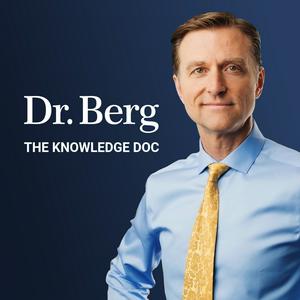
Dr. Berg’s Healthy Keto and Intermittent Fasting Podcast
Dr. Eric Berg DC
Latest episode
5000 episodes

Ever Taken Antibiotics? Your Gut Never Fully Recovered (Here’s the Fix)
10/26/2026 | 9 mins.Broad-spectrum antibiotics can take a serious toll on your gut microbiome, causing problems that can last for years. Can fermented foods and probiotics adequately support gut microbiome recovery after antibiotics? Uncover the surprising connection between gut health and antibiotics.
👉 Download Dr. Berg’s Free Daily Health Routine: https://drbrg.co/4sqwoxP
Just so you know, my full line of high-quality supplements is available on Amazon — search Dr. Berg Supplements.
0:00 Antibiotics and gut health
1:19 The importance of healthy gut bacteria
1:38 Gut-brain axis
2:10 Two types of antibiotics
2:34 Broad-spectrum antibiotic side effects
3:22 Probiotics while on antibiotics
4:24 Raw sauerkraut benefits for gut health
6:35 Microbiome diversity and fermented foods
6:50 The best fermented foods for gut health
8:07 The appendix explained
Take the first step toward a healthier gut with this FREE guide: https://drbrg.co/4yn4vI4
Keep watching for more ways to restore a healthy gut microbiome:
https://youtu.be/RCjQAQuWiYc
https://youtu.be/fJWPp1EBpYg
https://youtu.be/wLl0OvB4d8A
This simple morning routine can make impactful changes to your gut health. Find it here:
https://drbrg.co/4yRQIKx
Gut microbiome recovery after a single course of antibiotics doesn’t happen as quickly as you might think. Unfortunately, some people may never fully recover their original gut microbiome.
People are often told that their gut bacteria will return to normal within 4 to 8 weeks, but this isn’t always the case. The bacteria that return may be different, and antibiotic resistance genes can persist in the gut microbiome.
A healthy gut microbiome is essential for overall health and well-being. From your immune system to your mood, gut health affects nearly every aspect of your health. Gut microbes also play a key role in serotonin production, which is why many people report mood changes after antibiotic use.
Probiotics can be helpful when taking antibiotics. Look for strains that can survive stomach acid, and take them simultaneously alongside antibiotics.
Sauerkraut is one of the best fermented foods for gut health.
DATA:
https://pmc.ncbi.nlm.nih.gov/articles/PMC9020749/
https://pmc.ncbi.nlm.nih.gov/articles/PMC9066705
https://pmc.ncbi.nlm.nih.gov/articles/PMC8756738
https://pmc.ncbi.nlm.nih.gov/articles/PMC4191029
https://pmc.ncbi.nlm.nih.gov/articles/PMC7523053
https://academic.oup.com/gpb/article/17/1/39/7229734
Dr. Eric Berg, DC, Bio:
Dr. Berg, DC, age 61, is a chiropractor who specializes in Healthy Ketosis & Intermittent Fasting. He is the author of the best-selling book, The Healthy Keto Plan, and is the Director of Dr. Berg Nutritionals. He no longer practices but focuses on health education through social media.
Disclaimer:
Dr. Eric Berg, DC, received his Doctor of Chiropractic degree from Palmer College of Chiropractic in 1988. His use of “doctor” or “Dr.” in relation to himself solely refers to that degree. Dr. Berg is a licensed chiropractor in Virginia, California, and Louisiana, but he no longer practices chiropractic in any state and does not see patients so he can focus on educating people as a full-time activity, yet he maintains an active license. This video is for general informational purposes only. It should not be used to self-diagnose, and it is not a substitute for a medical exam, cure, treatment, diagnosis, prescription, or recommendation. It does not create a doctor-patient relationship between Dr. Berg and you. You should not make any change in your health regimen or diet before first consulting a physician and obtaining a medical exam, diagnosis, and recommendation. Always seek the advice of a physician or other qualified health provider with any questions you may have regarding a medical condition.
*Dr. Eric Berg, DC, is not AI-generated. AI-enhanced elements may be used in this video for production purposes only.The Biggest Lie About Fasting & Low Blood Sugar
10/23/2026 | 9 mins.What happens to your blood sugar while fasting? Is a 24-hour fast safe? Discover the benefits of fasting, the connection between blood sugar and insulin resistance, and what really happens to your blood sugar while fasting for 24 hours.
🛒 Shop Dr. Berg Black Elderberry with Zinc and Vitamin D3: https://drbrg.co/47q7RPA
👉 Download Dr. Berg’s Free Daily Health Routine: https://drbrg.co/4yGigC5
Just so you know, my full line of high-quality supplements is available on Amazon — search Dr. Berg Supplements.
0:00 What happens to blood sugar while fasting for 24 hours?
0:22 Fat burning and ketosis explained
1:21 Liver glycogen vs. stored fat
2:15 Fasting blood sugar and hypoglycemia explained
3:22 Gluconeogenesis
3:53 Muscles and fasting
4:41 When does your body switch to fat burning?
5:10 Autophagy while fasting
5:42 Insulin resistance
6:45 Why is fasting blood sugar higher in the morning?
7:24 Is hypoglycemia a blood glucose problem?
🌟 Optimize your fast with the best supplements for fasting: https://drbrg.co/4B6G4RT
Keep watching to learn more about fasting and improving insulin resistance:
https://youtu.be/d1nj4_iHb8M
https://youtu.be/WCyY3OmdJCg
https://youtu.be/x2PneE8yvsE
Fat burning is not a backup method for energy. Ketones are actually the preferred fuel source for the body. The liver only stores about 400 calories of sugar as glycogen, while the average person has around 120,000 calories of stored fat available for energy.
Fasting does not typically cause hypoglycemia. During a 24-hour fast, you shouldn't experience a significant drop in blood sugar. This is because your liver can produce glucose through a process called gluconeogenesis, so you don't need to consume sugar to maintain blood sugar levels.
Between 12 and 24 hours of fasting, your body shifts toward fat burning. Fasting also stimulates autophagy, the body's natural process of cleaning up and recycling damaged tissues and proteins.
Hypoglycemia while fasting is often related to an existing insulin resistance problem, commonly associated with a high-carb diet. Depending on the severity of the problem, it can take time to correct after reducing your carbohydrate intake.
DATA:
https://pmc.ncbi.nlm.nih.gov/articles/PMC13122063/
https://pmc.ncbi.nlm.nih.gov/articles/PMC2726723/
https://pmc.ncbi.nlm.nih.gov/articles/PMC12455479/
Dr. Eric Berg D.C. Bio:
Dr. Berg, age 61, is a chiropractor who specializes in Healthy Ketosis & Intermittent Fasting. He is the Director of Dr. Berg Nutritionals and author of the best-selling book The Healthy Keto Plan. He no longer practices, but focuses on health education through social media.
Disclaimer:
Dr. Eric Berg, D.C., received his Doctor of Chiropractic degree from Palmer College of Chiropractic in 1988. His use of “doctor” or “Dr.” in relation to himself solely refers to that degree. Dr. Berg is a licensed chiropractor in Virginia, California, and Louisiana, but he no longer practices chiropractic in any state and does not see patients, so he can focus on educating people as a full-time activity, yet he maintains an active license. This video is for general informational purposes only. It should not be used to self-diagnose, and it is not a substitute for a medical exam, cure, treatment, diagnosis, prescription, or recommendation. It does not create a doctor-patient relationship between Dr. Berg and you. You should not make any change in your health regimen or diet before first consulting a physician and obtaining a medical exam, diagnosis, and recommendation. Always seek the advice of a physician or other qualified health provider with any questions you may have regarding a medical condition.
*Dr. Eric Berg, DC, is not AI-generated. AI-enhanced elements may be used in this video for production purposes only.
Thanks for watching! I hope this helps you understand what happens to your blood sugar while fasting and the benefits of a 24-hour fast. I’ll see you in the next video.Hot Flashes & Night Sweats Aren’t a Hormone Problem
10/22/2026 | 51 mins.Learn how to support your health before, during, and after menopause. Discover what causes common menopause symptoms like hot flashes and night sweats, how to prevent muscle loss after menopause, and what you can do to support healthy aging and feel your best through menopause.
👉 Download Dr. Berg’s Free Daily Health Routine: https://drbrg.co/4sqwoxP
Just so you know, my full line of high-quality supplements is available on Amazon — search Dr. Berg Supplements.
Rebuild muscle after menopause with this free guide to nutrition, protein, and exercise: https://drbrg.co/3U6JN1a
0:00 What causes hot flashes and night sweats?
0:30 Hot flashes and hormones
2:10 Natural menopause relief
3:00 Night sweats
5:33 Menopause and muscle loss
7:30 Estrogen decline and sarcopenia
9:00 Strength training after menopause
10:33 Sarcopenia
12:14 Protein for muscle growth after menopause
13:20 Should you do intermittent fasting during menopause?
15:10 Creatine for women
16:15 What causes menopause symptoms?
23:18 Estrogen and menopause
30:06 How to reduce menopause symptoms naturally
36:26 Visceral fat, subcutaneous fat, and muscle loss
41:05 How to tone inner thighs and build muscle
How does menopause affect gut health? Find out here: https://drbrg.co/4yxQmYL
Learn more about healthy aging and feeling your best through menopause. Keep watching:
https://youtu.be/8Le3epKylKI
https://youtu.be/NZI8qJjN2Qw
https://youtu.be/eJeTsPEiXRA
If hot flashes and night sweats are just a typical part of menopause, why do some women experience them even before menopause begins? Even women taking estrogen can still experience hot flashes.
Hot flashes are not directly correlated with high or low estrogen levels. Instead, they’re related to how quickly hormone levels drop. Genistein, an extract from soy, has shown benefits for hot flashes at doses of 54 mg twice daily. Taking 400 mg of magnesium glycinate daily may also help support brain health during menopause.
Night sweats and hot flashes are not the same. Night sweats can last up to 60 minutes and often occur between 3 and 4 a.m. They may be more closely related to blood sugar, so supporting healthy blood sugar levels can help reduce night sweats.
Muscle loss after menopause is another common concern. The amino acid leucine is important for muscle growth, but getting sufficient protein is just as essential for maintaining muscle mass.
Dr. Eric Berg, DC, Bio:
Dr. Berg, DC, age 61, is a chiropractor who specializes in Healthy Ketosis & Intermittent Fasting. He is the author of the best-selling book, The Healthy Keto Plan, and is the Director of Dr. Berg Nutritionals. He no longer practices but focuses on health education through social media.
Disclaimer:
Dr. Eric Berg, DC, received his Doctor of Chiropractic degree from Palmer College of Chiropractic in 1988. His use of “doctor” or “Dr.” in relation to himself solely refers to that degree. Dr. Berg is a licensed chiropractor in Virginia, California, and Louisiana, but he no longer practices chiropractic in any state and does not see patients so he can focus on educating people as a full-time activity, yet he maintains an active license. This video is for general informational purposes only. It should not be used to self-diagnose, and it is not a substitute for a medical exam, cure, treatment, diagnosis, prescription, or recommendation. It does not create a doctor-patient relationship between Dr. Berg and you. You should not make any change in your health regimen or diet before first consulting a physician and obtaining a medical exam, diagnosis, and recommendation. Always seek the advice of a physician or other qualified health provider with any questions you may have regarding a medical condition.
*Dr. Eric Berg, DC, is not AI-generated. AI-enhanced elements may be used in this video for production purposes only.
Thanks for watching!How to Get Rid of Skin Tags (& Stop Them For Good)
10/21/2026 | 5 mins.Dealing with skin tags that keep coming back? Learn how to get rid of skin tags while also addressing the most common skin tag causes so you can help prevent skin tags and keep them from returning.
👉 Download Dr. Berg’s Free Daily Health Routine: https://drbrg.co/4sqwoxP
Just so you know, my full line of high-quality supplements is available on Amazon — search Dr. Berg Supplements.
0:00 Why skin tags keep coming back
0:20 Skin tags and metabolic syndrome
0:36 Insulin and skin tags
1:51 Skin tag causes
2:01 Skin tags on neck, under arms, and skin folds
2:25 Skin tags vs. warts
2:40 How to get rid of skin tags
3:20 How to prevent skin tags
This article answers all your keto diet questions: https://drbrg.co/4yN0fCP
Watch these next! Learn more about insulin resistance and metabolic health:
https://youtu.be/lISByvsI1fE
https://youtu.be/QZuutrT7Y4k
https://youtu.be/zA3Np51HLjE
If someone has more than 8 skin tags, their risk of developing metabolic syndrome may be 11 times greater than someone without skin tags!
Skin tags are a metabolic problem, not a skin problem. They’re associated with high insulin and elevated insulin-like growth factor 1. Skin tags often appear on the neck, under the arms, and in skin folds due to a combination of insulin-like growth factor and friction in these areas.
For topical skin tag removal, apply a drop of iodine and cover the skin tag with a bandage twice a day.
To prevent skin tags from returning, it’s essential to address the underlying cause by lowering insulin. Reducing eating frequency and lowering your carbohydrate intake can help address one of the most common skin tag causes and keep them from coming back.
DATA:
https://pmc.ncbi.nlm.nih.gov/articles/PMC6536054/
https://pmc.ncbi.nlm.nih.gov/articles/PMC3991940/
https://pmc.ncbi.nlm.nih.gov/articles/PMC7640457/
https://pmc.ncbi.nlm.nih.gov/articles/PMC6503204/
https://pmc.ncbi.nlm.nih.gov/articles/PMC11887516/
Dr. Eric Berg, DC, Bio:
Dr. Berg, DC, age 61, is a chiropractor who specializes in Healthy Ketosis & Intermittent Fasting. He is the author of the best-selling book, The Healthy Keto Plan, and is the Director of Dr. Berg Nutritionals. He no longer practices but focuses on health education through social media.
Follow Me on Social Media:
YouTube: https://drbrg.co/drberg
YouTube Shorts: https://www.youtube.com/@drbergshorts
Keto Recipe: https://www.youtube.com/@drbergketorecipes
Facebook: https://www.facebook.com/drericberg
Instagram: https://www.instagram.com/drericberg/
Spotify Podcast: 🎧 https://drbrg.co/DrBerg-Spotify
TikTok: https://www.tiktok.com/@drbergofficial
X: https://x.com/dr_ericberg
Disclaimer:
Dr. Eric Berg, DC, received his Doctor of Chiropractic degree from Palmer College of Chiropractic in 1988. His use of “doctor” or “Dr.” in relation to himself solely refers to that degree. Dr. Berg is a licensed chiropractor in Virginia, California, and Louisiana, but he no longer practices chiropractic in any state and does not see patients so he can focus on educating people as a full-time activity, yet he maintains an active license. This video is for general informational purposes only. It should not be used to self-diagnose, and it is not a substitute for a medical exam, cure, treatment, diagnosis, prescription, or recommendation. It does not create a doctor-patient relationship between Dr. Berg and you. You should not make any change in your health regimen or diet before first consulting a physician and obtaining a medical exam, diagnosis, and recommendation. Always seek the advice of a physician or other qualified health provider with any questions you may have regarding a medical condition.
*Dr. Eric Berg, DC, is not AI-generated. AI-enhanced elements may be used in this video for production purposes only.
Thanks for watching! I hope this helps you understand what causes skin tags and how to keep them from coming back. I’ll see you in the next video.The Dr. Berg Show LIVE - August 28, 2026
10/20/2026 | 1h 6 mins.The video recommended by Dr. Berg for foot problems, which can then effect knees, hips and more: https://www.youtube.com/watch?v=J2D8ziu6rn0 -
When it comes to your health, most people try to fix everything at once. But there are 10 biological signals that control how you feel every day, and only 1 of them matters most to your body.
Take my free 2-minute quiz and discover which signal YOU need to fix first: https://drbrg.co/4yrDSlw
Talk to Dr. Berg LIVE ➜ ➜ https://forms.gle/X7hdvwt2GMDmPSTo9
To be considered, click on the link below to fill out the application! If you’d like to join next week’s show, make sure you fill out the application by Tuesday night, the week of the live show.
Fill this out to be a part of the LIVE show! — https://forms.gle/X7hdvwt2GMDmPSTo9
Participants will be selected on Wednesdays, and an invitation with the unique link to join the show will be sent out on Thursday afternoon before the Friday Live Show.
Thanks for watching!
Disclaimer: Dr. Eric Berg D.C. received his Doctor of Chiropractic degree from Palmer College of Chiropractic in 1988. His use of “doctor” or “Dr.” in relation to himself solely refers to that degree. Dr. Berg is a licensed chiropractor in Virginia, California, and Louisiana, but he no longer practices chiropractic in any state and does not see patients, so he can focus on educating people as a full-time activity, yet he maintains an active license. This video is for general informational purposes only. It should not be used to self-diagnose, and it is not a substitute for a medical exam, cure, treatment, diagnosis, prescription, or recommendation. It does not create a doctor-patient relationship between Dr. Berg and you. You should not make any change in your health regimen or diet before first consulting a physician and obtaining a medical exam, diagnosis, and recommendation. Always seek the advice of a physician or other qualified health provider with any questions you may have regarding a medical condition.
More Health & Wellness podcasts




Trending Health & Wellness podcasts












About Dr. Berg’s Healthy Keto and Intermittent Fasting Podcast
Dr. Eric Berg D.C. — not a medical doctor. Educational content only; not medical advice. Consult your physician for diagnosis or treatment.
Podcast websiteListen to Dr. Berg’s Healthy Keto and Intermittent Fasting Podcast, The Thyroid (and Hormone) Fixer Podcast: Thyropause, Menopause, Metabolism and How to Fix It and many other podcasts from around the world with the radio.net app
Get the free radio.net app
- Stations and podcasts to bookmark
- Stream via Wi-Fi or Bluetooth
- Supports Carplay & Android Auto
- Many other app features
Get the free radio.net app
- Stations and podcasts to bookmark
- Stream via Wi-Fi or Bluetooth
- Supports Carplay & Android Auto
- Many other app features
Dr. Berg’s Healthy Keto and Intermittent Fasting Podcast
Scan code,
download the app,
start listening.
download the app,
start listening.
Dr. Berg’s Healthy Keto and Intermittent Fasting Podcast: Podcasts in Family
 USA
USA