
Listen to this podcast in the app for free: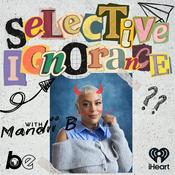 Download for free in the App Store
radio.net
Sleep timer
Save favorites
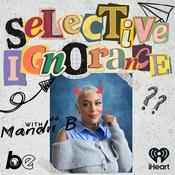
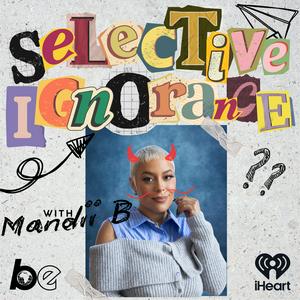
Selective Ignorance with Mandii B
The Black Effect Podcast Network and iHeartPodcasts
Latest episode
147 episodes
Great Migration, Superior Biracials & The Drop feat. Glasses Malone & Problem | Bonus Episode
10/23/2026 | 1h 20 mins.Mandii B returns with another entertaining episode of Selective Ignorance, joined by A-King, Jason “Jah” Lee, and special guests Glasses Malone and Jason Martin aka Problem, for an unfiltered conversation about West Coast hip-hop, Black culture, sports, and entertainment. After introducing the guests [00:00] [00:51], Mandii and Glasses exchange some playful jabs [01:50] before revisiting the backlash Mandii received on Threads for naming Los Angeles her least favorite city [05:51]. The crew debates America's least favorite cities, safety, and regional rivalries [09:08], along with strip club culture [12:00] and how wealth can influence perspectives on Black identity [16:37]. Stephen Jackson's controversial comments about biracial NBA players and the decline of basketball talent [20:56] spark a heated discussion about Anthony Edwards' parenting controversy [23:08], race and representation in professional basketball [27:38], and some hilarious group chat chaos [28:32]. The conversation explores how money shapes young athletes [28:53], the differences between desperation and privilege [29:47], and the intersections of race, poverty, and opportunity, including debates about poor white communities and perceived biracial advantages [32:40] [35:31] [39:06].
The conversation shifts to the Hulu/FX series The Drop, set in 1990s Los Angeles following the era depicted in Snowfall[44:23], as Jason Martin breaks down his contributions to the show's original music, creative consulting, and commitment to cultural authenticity [45:10]. The crew explores the importance of accurate street language [53:01], filming in real neighborhoods [55:11], and recreating authentic Los Angeles environments [55:56]. They revisit a viral scene featuring Dara [56:40], discuss dating boundaries and approaching men [59:23], and examine community dynamics, identity, and representation [01:00:37]. Jason also shares his acting experience on the series [01:01:49], addresses the exhaustion surrounding constant Drake questions [01:03:11], and recalls a costly production mishap involving corrupted camera cards that forced a major reshoot [01:04:59]. After reflecting on their podcast run and a memorable strip club outing [01:10:03], the crew discusses Emmy aspirations and the emotional impact of episode five [01:13:43], before closing with where to watch the series and final thoughts [01:17:21]. From Stephen Jackson's NBA controversy and racial privilege to Los Angeles hip-hop history, authentic Black storytelling, and the making of The Drop, Selective Ignorance delivers another candid conversation about culture, representation, and the stories shaping entertainment.
No Holes Barred: A Dual Manifesto Of Sexual Exploration And Power” w/ Tempest X!
Sale Link
Follow the host on Social Media
Mandii B Instagram/X @fullcourtpumps
Follow the crew on Social Media
@itsaking
@mrhiphopobama
@glassesloc
@problem354
Follow the show on Social Media
Instagram @selectiveignorancepod
Tiktok @selective.ignorance
X/Twitter @selectiveig_pod
See omnystudio.com/listener for privacy information.Selective Ignorance: Ep. 86 | Ban Dogs, Ban Laws, Ban Freedom Of Speech Feat. Deante Kyle
10/20/2026 | 1h 47 mins.Mandii B returns with another thought-provoking episode of Selective Ignorance, joined by A-King, Jason "Jah" Lee, and special guest Deante Kyle (Grits & Eggs Podcast) for unfiltered conversations about politics, Black culture, social justice, and accountability. After recognizing Breast Cancer Awareness Month and encouraging women to schedule mammograms [00:00], Mandii introduces the crew [00:33] before diving into hilarious debates about chirping smoke detectors [04:55], TaskRabbit and cleaning services [07:04], and whether there are simply too many dogs in public spaces [09:26]. The “This Is America” segment kicks off with controversy surrounding White House press secretary Katie Zacharia’s reported firing and questions about her legal credentials [13:50], leading to personal stories about quitting jobs almost immediately [17:24], airport lies [22:06], and evolving religious beliefs [24:00]. The conversation shifts to protests in Paris and Europe versus America’s “No Kings” demonstrations [28:16], examining political activism, censorship, and France’s exploitation of African nations. The crew emphasizes the importance of voter registration and the upcoming midterm elections [35:15], spotlights Florida politician Angie Nixon [36:11], and explores everything from aliens, robotics, and Elon Musk [37:15]to Tesla backlash [38:25] and money’s influence on American politics [40:28]. Amar’e Stoudemire’s decision to join law enforcement [41:48] sparks a heated debate about police brutality, systemic racism, and whether policing can be reformed from within [44:21], before examining military propaganda and the realities of war [53:13].
Following Deonte’s departure and a hilarious grits conversation [57:02], Mandii returns from break with another reminder to register and vote [58:01] before addressing Floyd Mayweather’s support for Donald Trump amid reports of financial troubles [59:40]. The crew revisits Killer Mike’s podcast history [01:01:39] and dissects his controversial defense of capitalism [01:05:59], examining Fred Hampton’s revolutionary legacy [01:09:16], the fallout from political conversations over brunch [01:10:24], and the difference between building personal wealth and creating opportunities for collective economic empowerment [01:11:14]. A deeper discussion distinguishes commerce from capitalism [01:13:49], questions the contradictions between luxury lifestyles and revolutionary politics [01:17:07], and explores the backlash surrounding Killer Mike’s political positions [01:24:37]. The crew challenges misconceptions about Black spending power [01:26:42], stresses the need for political urgency and clarity [01:31:15], and debates the importance of distinguishing genuine opposition from disagreements within the Black community [01:36:04]. After a hilarious technical mishap [01:40:08], the episode wraps with final thoughts, upcoming guest announcements, and bonus episode previews [01:43:01]. From Donald Trump and political protests to police reform, Black capitalism, economic liberation, and the power of voting, Selective Ignorance delivers an honest, entertaining conversation challenging how we define progress, accountability, and collective empowerment.
No Holes Barred: A Dual Manifesto Of Sexual Exploration And Power” w/ Tempest X!
Sale Link
Follow the host on Social Media
Mandii B Instagram/X @fullcourtpumps
Follow the crew on Social Media
@itsaking
@mrhiphopobama
@deante.kyle
@gritsandeggspodcast
Follow the show on Social Media
Instagram @selectiveignorancepod
Tiktok @selective.ignorance
X/Twitter @selectiveig_pod
See omnystudio.com/listener for privacy information.Tinted Windows & Smash Hits feat. Pvnch | Bonus Episode
10/16/2026 | 1h 42 mins.Mandii B returns with a special bonus episode of Selective Ignorance, joined by A-King, Jason "Jah" Lee, and special guest Pvnch for an unfiltered conversation about hip-hop culture, music industry politics, and the evolution of media. After introducing the crew [00:00] [01:48], Pvnch recalls a run-in with New Jersey police over illegal window tints [03:50], leading to hilarious Nobu stories [09:40], his concept of “clout management” [10:58], and a discussion about ComplexCon and safety in hip-hop [14:05]. The crew jumps into “Double Down” [17:49], debating Black Thought’s top-five rapper status [19:26], ranking criteria and viral clip context [22:28], Rapsody and the difference between criticism and disrespect [23:36] [25:27], and women’s perspectives on rap [28:01], before a quick Caribbean detour [32:55]. Jermaine Dupri’s comments about canceled tours [33:31] spark a larger debate about hit records versus marketing [37:04], algorithm-driven music discovery [37:10], what qualifies as a hit [40:54], and the disappearance of mainstream smash records [46:43]. The crew examines the shift from television to streaming [50:14], why crossover hits have declined [50:42], fragmented fanbases [51:26], NBA YoungBoy’s independent blueprint [52:43], and the economics of radio promotion [53:45].
The conversation shifts to the viral claims about New York City offering rappers $10,000 [54:54], clarifying the artist grant program and comparing creative funding opportunities in Canada [59:04]. After sharing Drake party stories [01:02:03], the crew tackles backlash surrounding Kirk Franklin’s collaboration with GloRilla [01:05:48], exploring gospel music, hip-hop influences, and generational hypocrisy. Rapsody’s concerns about declining music journalism [01:14:28] lead Pvnch to challenge artists who overlook smaller media outlets [01:17:12] while chasing bigger platforms [01:18:24], highlighting those who support independent media [01:20:12], the difference between private and public engagement [01:22:23], and the importance of championing credible music coverage [01:24:21]. Pvnch shares his vision for his AirDrop and Takeoff freestyle platforms [01:25:41] and how he discovers emerging artists [01:28:28], before the crew debates the Wynn no-show controversy [01:30:38] and closes with final thoughts and social media plugs [01:36:58], the “Somebody Gotta Care” outro [01:40:03], and credits [01:40:51]. From canceled tours and the changing definition of hit records to gospel controversies and the future of hip-hop journalism, Selective Ignorance delivers another thought-provoking conversation about music, media, and cultural influence.
No Holes Barred: A Dual Manifesto Of Sexual Exploration And Power” w/ Tempest X!
Sale Link
Follow the host on Social Media
Mandii B Instagram/X @fullcourtpumps
Follow the crew on Social Media
@itsaking
@mrhiphopobama
@iampvnch
Follow the show on Social Media
Instagram @selectiveignorancepod
Tiktok @selective.ignorance
X/Twitter @selectiveig_pod
See omnystudio.com/listener for privacy information.Ep. 85 | Abortion Extortion & Hush Money feat Jayson Rodriguez
10/13/2026 | 1h 35 mins.Mandii B and the crew are back with another unapologetically entertaining episode of Selective Ignorance, blending hip-hop culture, politics, celebrity controversy, and social commentary with plenty of laughs. Kicking things off with some signature ignorance [00:38], the crew debates Macy’s retail experience [01:10] before Mandii recognizes Breast Cancer Awareness Month and previews the episode’s biggest conversations [02:54]. After introducing the squad and breaking down Chief’s fit [04:51], the conversation shifts to Journalism Jason’s New Jersey tax struggles [06:43], the cultural conversation surrounding red nails and the “Jezebel” stereotype [09:45], and a hilarious French brunch experience involving margaritas and false advertising [10:43]. A random detour into Hunts Point’s role in New York City’s food supply [18:32] leads into Jason’s radio commute [21:09] and his transition into executive producing a new HOT 97 morning show [24:58]. The crew then puts their music knowledge to the test with Hip-Hop Jeopardy [27:43], tackling Southern hip-hop trivia [28:12], legendary East Coast mixtapes [29:11], and a challenging R&B round [30:26], before discussing what it really means to make something authentically New York [32:38].
Things take a serious turn as Mandii B and the crew examine the civil lawsuits involving former daycare owner Shantiara Young, who shot her husband after allegations of child sexual abuse [34:17], questioning accountability, financial motives, and whether civil litigation always serves the pursuit of justice [38:21]. The conversation intensifies with a debate surrounding Christa Pike, lethal injection, and the ethics of capital punishment [46:32], including whether witnessing an execution would change anyone’s perspective on the death penalty [54:06]. Shifting into politics, the crew reacts to Donald Trump’s controversial remarks about Iran potentially attacking Los Angeles or San Diego [56:19], examines political loyalty and Trump’s influence over his supporters [57:34], and challenges misconceptions about red states and media narratives [59:34]. Allegations involving Rep. Lauren Boebert and inappropriate relationships with staff members [01:01:09] spark a heated discussion about a reported $200,000 hush-money arrangement and political hypocrisy [01:03:56]. The episode then dives into Gorgeous Doll’s explosive allegations involving Kai Cenat and a purported $200,000 abortion agreement [01:11:39], unpacking patriarchy, gender double standards, and public accountability [01:15:22], the consequences of privacy agreements and internet backlash [01:17:42], and the actual financial realities surrounding abortion [01:21:45]. Before closing, the crew reacts to a viral freestyle from a police officer [01:28:36] and wraps up with final thoughts and a reminder about the importance of voting [01:33:07].
Be sure to vote for Selective Ignorance in the Signal Awards:
Selective Ignorance With Mandii B in the Craft - Best Host (Culture) Category
Selective Ignorance With Mandii B in the Genre - Conversation Starter Category
No Holes Barred: A Dual Manifesto Of Sexual Exploration And Power” w/ Tempest X!
Sale Link
Follow the host on Social Media
Mandii B Instagram/X @fullcourtpumps
Follow the crew on Social Media
@itsaking
@mrhiphopobama
@jaysonrodriguez
Follow the show on Social Media
Instagram @selectiveignorancepod
Tiktok @selective.ignorance
X/Twitter @selectiveig_pod
See omnystudio.com/listener for privacy information.Fear Of Missing Drake | Bonus Episode
10/10/2026 | 49 mins.In this bonus episode of Selective Ignorance, Mandii B, A-King, and Jason “Jah” Lee dive into new music, celebrity relationships, cheating, and trust, kicking things off by spotlighting R&B singer Laya and her latest project [01:02]before a playful Kendrick debate [02:01]. The crew reacts to Jhené Aiko’s chart-topping album and its rumored references to Big Sean, questioning whether the lyrics reveal real relationship drama or fans are reading too much into them [03:24]. After some Crip Walk jokes [04:41], the conversation takes a deeper turn into infidelity, heartbreak, and whether trust can survive cheating [07:10], with a hilarious Papoose name detour [08:32]. Mandii opens up about her struggles with trusting people [12:21], including a story about requesting a welfare check when family members didn't answer their phones [17:04]. She explains her personal categories of trust [22:33], sparking a debate about what trusting someone actually means [25:55], the difference between self-protection and catastrophizing [26:28], and how emotional trust connects to sexual safety and personal energy [27:14].
The conversation shifts to Drake’s FOMO visual project [28:11], as the crew breaks down the premiere-only film experience, its connections to his previous albums, and whether the concept delivered on expectations. Mandii defends Drake's creative freedom while A-King and Jah question whether the project was underwhelming or simply misunderstood [31:37]. That sparks a larger debate about Drake's music videos, visual storytelling, and his strongest creative moments [33:50], followed by a discussion about Drake's loyal fanbase, celebrity fandom, and the meaning audiences attach to an artist's work [40:48]. The crew also gives J. Cole and his Dreamville tour some love while discussing upcoming European dates [46:24], before wrapping up another bonus episode filled with R&B, hip-hop, relationship debates, and unfiltered cultural commentary [47:23].
Selective Ignorance With Mandii B in the Craft - Best Host (Culture) Category
Selective Ignorance With Mandii B in the Genre - Conversation Starter Category
No Holes Barred: A Dual Manifesto Of Sexual Exploration And Power” w/ Tempest X!
Sale Link
Follow the host on Social Media
Mandii B Instagram/X @fullcourtpumps
Follow the crew on Social Media
@itsaking
@mrhiphopobama
Follow the show on Social Media
Instagram @selectiveignorancepod
Tiktok @selective.ignorance
X/Twitter @selectiveig_pod
See omnystudio.com/listener for privacy information.
More Comedy podcasts



Trending Comedy podcasts







About Selective Ignorance with Mandii B
Society is brimming with hypocrisy, indignation and opinions—the Selective Ignorance podcast will dare to challenge the complexities behind internet reaction and the public’s beliefs by unpacking trending topics with comedic education and outlandish hot takes.Each week, Mandii B engages guests from the worlds of media, comedy and entertainment, as well as cultural and topical experts, to tackle everything from current events to the latest scandals in order to confront biases, embrace the uncomfortable and embark on a journey that shakes the status quo.
Podcast websiteListen to Selective Ignorance with Mandii B, Giggly Squad and many other podcasts from around the world with the radio.net app
Get the free radio.net app
- Stations and podcasts to bookmark
- Stream via Wi-Fi or Bluetooth
- Supports Carplay & Android Auto
- Many other app features
Get the free radio.net app
- Stations and podcasts to bookmark
- Stream via Wi-Fi or Bluetooth
- Supports Carplay & Android Auto
- Many other app features
Selective Ignorance with Mandii B
Scan code,
download the app,
start listening.
download the app,
start listening.
Selective Ignorance with Mandii B: Podcasts in Family
 USA
USA