

Listen to this podcast in the app for free: Download for free in the App Store
radio.net
Sleep timer
Save favorites
482 episodes
REPLAY: EBB 217 - Disability Justice in Birth and Parenting with Stefanie Lyn Kaufman-Mthimkhulu
10/14/2026 | 35 mins.Ableism shapes birth, parenting, and even the ways our society values whose lives matter.
In this replay episode, Dr. Rebecca Dekker talks about disability justice in birth and parenting with Stefanie Lyn Kaufman-Mthimkhulu, a Mad, Disabled, multidisciplinary care strategist/worker, educator, psychiatric survivor, healing practitioner, and founder and director of Project LETS.
Together, they explore what disability justice is and how it connects to reproductive justice, from the history of forced sterilization to the ways disabled parents are penalized for both accessing and not accessing care. Stefanie also shares how ableism showed up in their own pregnancy, in both medical and alternative care settings, and why everyone who supports birth and parenting needs a basic understanding of disability and mental health.
Content warning: We mention self-injury, disability, neuro-divergent, eugenics, reproductive trauma, ableism, epilepsy, seizures, trauma, sexual violence, medical violence, and history of sterilization.
Connect with Stefanie Lyn Kaufman
Becoming Disabled Again for BAD
Birth and Disability Course with Birthing Advocacy Doula Trainings
Crisis Response for Birthworkers
Disability in the Family: A Course for Parents + Caregivers
For more information about Evidence Based Birth and a crash course on evidence based care, visit www.ebbirth.com. Follow us on Instagram and YouTube! Ready to learn more? Read Dr. Dekker's book, "Babies Are Not Pizzas: They're Born, Not Delivered!" If you want to get involved at EBB, join our Professional membership (scholarship options available) and get on the wait list for our EBB Instructor program. Find an EBB Instructor here, and click here to learn more about the EBB Childbirth Class.EBB 414 - Evidence on Natural Labor Induction: Acupuncture, Acupressure, and Breast Stimulation
10/07/2026 | 43 mins.Acupuncture, acupressure, and breast stimulation are popular natural labor induction methods, but what does the latest research tell us about how well they actually work?
In this episode, Dr. Rebecca Dekker dives into the new research on whether these approaches can help ripen the cervix, encourage spontaneous labor, or reduce the need for a medical induction. She explores the evidence on acupuncture, acupressure, and the related practice of Shiatsu, including why studies have reached conflicting conclusions about their effectiveness. She also examines the research on breast and nipple stimulation, how it can trigger the release of oxytocin, and what studies suggest about its potential role in preparing for and starting labor.
For a full list of resources and references, visit ebbirth.com/414.
(02:07) Understanding Acupuncture, Acupressure, and Shiatsu
(08:30) Cervical Ripening and the Bishop Score
(10:26) Evidence and Safety of Acupuncture for Labor Induction
(19:43) Evidence on Acupressure for Labor Induction
(23:16) Shiatsu and Labor Induction
(27:27) Breast and Nipple Stimulation for Labor Induction
(28:51) Research on Breast Stimulation, Cervical Ripening, and Labor
(32:54) Breast Stimulation vs. Pitocin for VBAC
(35:57) Safety of Breast and Nipple Stimulation
(37:42) Breastfeeding During Pregnancy and Preterm Labor
Resources
EBB 359 – Mini Q & A on Early Induction for Gestational Hypertension, Acupuncture/Acupressure for Labor, and Time Intervals between Pregnancies
EBB 407 – Migraines and Insulin and Umbilical Vein Varix, Oh My! An Empowering Pregnancy and Hospital Birth Story with Heidi Gustad, Librarian and EBB Childbirth Class Graduate
EBB 408, what they didn't tell me about birth and parenthood with Dr. Jessica Vernon, Board-Certified OB/GYN and Perinatal Coach
For more information about Evidence Based Birth and a crash course on evidence based care, visit www.ebbirth.com. Follow us on Instagram and YouTube! Ready to learn more? Grab an EBB Podcast Listening Guide or read Dr. Dekker's book, "Babies Are Not Pizzas: They're Born, Not Delivered!" If you want to get involved at EBB, join our Professional membership (scholarship options available) and get on the wait list for our EBB Instructor program. Find an EBB Instructor here, and click here to learn more about the EBB Childbirth Class.EBB 413 - Evidence on Migraines and Pregnancy: Frequency, Prevention, and Comfort Measures
09/30/2026 | 1h 5 mins.Migraines during pregnancy can be debilitating, and figuring out how to prevent or manage them can be especially challenging. In this episode, Dr. Rebecca Dekker explores the research on migraines during pregnancy, including why they happen, how pregnancy can affect migraine patterns, and why new or changing headaches should be taken seriously. Rebecca also discusses migraine triggers, medication overuse or "rebound" headaches, and strategies for prevention. Plus, drawing from both the research and her own lifelong experience with migraines, Rebecca shares non-pharmacological comfort measures for coping with migraine pain, from hydration and body work to temperature therapy, acupressure, mindfulness, and more.
(04:29) What migraines are and how common they are
(11:39) Migraines during pregnancy and postpartum
(14:54) When headaches may signal a more serious condition
(23:56) Preventing migraines during pregnancy
(24:32) Medication overuse and rebound headaches
(30:52) Migraine triggers and thresholds
(34:22) Non-medication strategies for migraine prevention
(46:05) Comfort measures for an active migraine
(59:09) Final encouragement, support, and resources
For a full list of references, visit ebbirth.com/413.
Resources
Postpartum Support International: https://postpartum.net/
Call 988 for the Suicide Crisis and Lifeline: https://988lifeline.org/
Hear Her campaign with list of maternal warning signs: https://www.cdc.gov/hearher/maternal-warning-signs/index.html
American Headache Society: https://americanheadachesociety.org/
The Headache Hat: https://theheadachehat.com/
Acupressure points for headaches in pregnancy: https://www.youtube.com/watch?v=LNbXWKStr-4
Aculief acupressure device (NOT recommended for pregnancy unless you've reached term, as it may cause contractions): https://finance.yahoo.com/news/aculief-reviews-does-migraine-relief-045700296.html
S-shaped massage hook: https://www.bodyback.com/products/body-back-buddy-classic-trigger-point-therapy-self-massage-tool-body-back-company
Renpho eye massager: https://renpho.com/collections/eye-massager
For more information about Evidence Based Birth and a crash course on evidence based care, visit www.ebbirth.com. Follow us on Instagram and YouTube! Ready to learn more? Grab an EBB Podcast Listening Guide or read Dr. Dekker's book, "Babies Are Not Pizzas: They're Born, Not Delivered!" If you want to get involved at EBB, join our Professional membership (scholarship options available) and get on the wait list for our EBB Instructor program. Find an EBB Instructor here, and click here to learn more about the EBB Childbirth Class.EBB 412 - Induction Tips for Families with High-Risk Doula Jennifer Anderson, RN
09/23/2026 | 1h 1 mins.An induction may change your birth plan, but it doesn't mean giving up your preferences or your role in the decision-making process.
In this episode, EBB's Director of Programs Chanté Perryman talks with team EBB's Jennifer Anderson about how families can prepare for and navigate an induction. A nurse, doula, and childbirth educator, Jennifer's sharing five of her favorite advocacy tips, including asking about outpatient cervical ripening, considering the timing of your induction, exploring monitoring options that support movement, using water for comfort, and understanding the criteria for a failed induction.
(01:36) The "Golden Ticket": Taking an Independent Childbirth Class
(06:38) Tip #1: Ask About Outpatient Cervical Ripening
(13:45) Tip #2: Consider the Timing of Your Induction
(22:41) Tip #3: Ask About Bluetooth Fetal Monitoring
(28:21) Tip #4: Using Water and Movement During an Induction
(31:32) Learning Your Hospital's Policies Before Birth
(33:00) Tip #5: Understanding Failed Induction Criteria
(42:09) Preparing When an Induction Is Unexpected
(49:00) Birth Story: Navigating a Surprise Gestational Hypertension Induction
Resources
Get the Evidence Based Birth® Induction Pocket Guide: https://shop.evidencebasedbirth.com/products/evidence-based-birth-pocket-guides
Evidence on: The ARRIVE Trial and Elective Induction at 39 Weeks
Evidence on: Induction for Gestational Diabetes
Evidence on: Group B Strep
EBB 348 – Best Practices for Size-Inclusive Birth Care with Jen McLellan of Plus Size Birth
Friedman's Curve and Failure to Progress: A Leading Cause of Unplanned Cesareans
Get your California Maternal Quality Care Collaborative (CMQCC) Toolkit: https://www.cmqcc.org/toolkits-quality-improvement/all-toolkits
EBB 359 – Mini Q & A on Early Induction for Gestational Hypertension, Acupuncture/Acupressure for Labor, and Time Intervals between Pregnancies
For more information about Evidence Based Birth and a crash course on evidence based care, visit www.ebbirth.com. Follow us on Instagram and YouTube! Ready to learn more? Grab an EBB Podcast Listening Guide or read Dr. Dekker's book, "Babies Are Not Pizzas: They're Born, Not Delivered!" If you want to get involved at EBB, join our Professional membership (scholarship options available) and get on the wait list for our EBB Instructor program. Find an EBB Instructor here, and click here to learn more about the EBB Childbirth Class.EBB 411 - Advocating for a Family Centered Cesarean with Holly and Nathan Miller, EBB Childbirth Class Graduates
09/16/2026 | 34 mins.When Holly and Nathan Miller learned their baby was breech late in pregnancy, the unmedicated vaginal birth they had been preparing for suddenly felt out of reach. Living in rural South Georgia, they explored their options, including finding a provider experienced in vaginal breech birth, but ultimately faced limited choices close to home.
In this episode, EBB Childbirth Class graduates Holly and Nathan share how they shifted their focus from the birth they had originally envisioned to creating a family-centered Cesarean experience. They talk about advocating for a clear drape and immediate skin-to-skin, navigating conflicting information from providers, and finding ways to remain active participants in their baby's birth. They also reflect on Cesarean recovery, the importance of partner support, and what they learned about speaking up for their preferences even when circumstances were outside their control.
(01:27) Finding Evidence Based Birth® and Preparing for an Unmedicated Birth
(03:33) When Birth Plans Began to Change
(05:03) Navigating Birth Options in Rural South Georgia
(07:51) Exploring ECV, Vaginal Breech Birth, and Cesarean
(10:24) Shifting Toward a Family-Centered Cesarean
(12:50) Advocating for a Clear Drape and Immediate Skin-to-Skin
(15:10) Holly and Nathan's Cesarean Birth Story
(17:43) What a Cesarean Felt Like Physically and Emotionally
(22:03) Meeting Eliana and Beginning Skin-to-Skin
(25:31) Breastfeeding and Recovering from a Cesarean
(28:53) Partner Support During Postpartum Recovery
(30:09) Advice for Navigating Breech Birth and Unexpected Changes
(31:53) Looking Ahead to a Future VBAC
Resources
EBB 256 – Top 3 Recommendations for Preventing Pelvic Floor Dysfunction after Birth with Dr. Sarah Duvall, Founder of Core Exercise Solutions
All About Breach
EBB 299 – A Breech Vaginal Birth Story with EBB Parents Naoma Kleisner, RN, MSN and Mohamed Koraichi
EBB 298 – Overcoming Barriers to Breech Vaginal Birth with Dr. Emiliano Chavira, OB/GYN and Maternal Fetal Medicine Specialist
EBB 297 – Frequently Asked Questions about Breech with Dr. Rebecca Dekker and Sara Ailshire, MA
EBB 296 – Evidence on Breech Birth with Dr. Rebecca Dekker and Sara Ailshire, MA
EBB 173 - Evidence on External Cephalic Version for Breech Positioned Babies
EBB 172 – Breech Vaginal Birth with Dr. Rixa Freeze and Dr. David Hayes
EBB 171 – The Experience of a Unique Vaginal Breech Birth with Janae and Andrew Rick
EBB 111 – Positioning Breech Babies with Dr. Elliot Berlin
For more information about Evidence Based Birth and a crash course on evidence based care, visit www.ebbirth.com. Follow us on Instagram and YouTube! Ready to learn more? Grab an EBB Podcast Listening Guide or read Dr. Dekker's book, "Babies Are Not Pizzas: They're Born, Not Delivered!" If you want to get involved at EBB, join our Professional membership (scholarship options available) and get on the wait list for our EBB Instructor program. Find an EBB Instructor here, and click here to learn more about the EBB Childbirth Class.
More Health & Wellness podcasts



Trending Health & Wellness podcasts






About Evidence Based Birth®
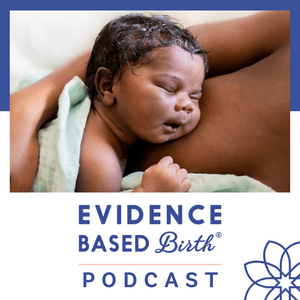
In the Evidence Based Birth® podcast, we cover the research evidence on hot topics about pregnancy and childbirth! Our mission is to help birth workers build the evidence based knowledge, skills, and power they need to protect families' ability to give birth with empowerment. The work we do has a huge impact on parents who are searching for accurate information to empower their prenatal, birth, and postpartum experiences!
Podcast websiteListen to Evidence Based Birth®, The Dr. John Delony Show and many other podcasts from around the world with the radio.net app
Get the free radio.net app
- Stations and podcasts to bookmark
- Stream via Wi-Fi or Bluetooth
- Supports Carplay & Android Auto
- Many other app features
Get the free radio.net app
- Stations and podcasts to bookmark
- Stream via Wi-Fi or Bluetooth
- Supports Carplay & Android Auto
- Many other app features
Evidence Based Birth®
Scan code,
download the app,
start listening.
download the app,
start listening.
 USA
USA