Listen to this podcast in the app for free: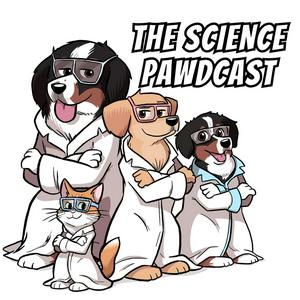 Download for free in the App Store
radio.net
Sleep timer
Save favorites
Available Episodes
5 of 495
- Episode 36 Season 7: Seahorse Dads, Dogs vs Horses, and Smarter Health with Dr. Shazma MithaniSend us a textA father that gives birth, a horse that says “no,” and an ER doctor who wants to keep you out of the hospital—this episode brings science and everyday choices into sharp focus. We start with a mind-bending dive into seahorses, where males carry the pregnancy and build a placenta-like environment from skin. New research shows familiar pregnancy genes at work inside the brood pouch, but with an unexpected hormonal switch: androgens, not estrogens, drive gestation. It’s evolution repurposing its toolkit—and a powerful reminder that sex roles in nature are more flexible than we think.From there, we move into animal-assisted therapy and the role of consent in touch. A new study comparing dogs and horses found that forced interactions with horses raised heart rate and lowered HRV, signaling more stress, while choice calmed people down. Dogs showed no significant difference between conditions, suggesting human perception and species-specific behavior shape outcomes. If you run therapy programs, the insight is simple and humane: build animal choice into sessions, especially with horses, and track long-term welfare alongside human benefits.Then ER physician Dr. Shazma Mithani joins us to turn insight into prevention. We talk helmets for anything on wheels or snow, why e‑scooters drive more severe injuries per use than bikes, and how regular checkups and screening prevent emergencies before they start. We break down wildfire smoke—how particulates inflame lungs and harm the heart and brain—plus when to wear a well-fitted N95 outside and how to upgrade home air with MERV 11–13 filters or HEPA purifiers. Finally, we tackle measles: an airborne virus that lingers for hours, demands 95% vaccination for herd immunity, and is best stopped with two doses of MMR. Unsure where to get trusted answers? Talk to your doctor, pharmacist, or public health nurse, and lean on credible sources rather than influencers.If this helped you think differently about biology, safety, or public health, tap follow, share it with a friend, and leave a review with your biggest takeaway—we’ll feature our favorites next week.Dr. Shazma Mithani's links:Her websiteHer PodcastInstagramOur links!Support the showFor Science, Empathy, and Cuteness!Being Kind is a Superpower. All our social links are here!--------56:28
- Episode 35 Season 7: Coffee, Cats, And The Science BetweenSend us a textCoffee may nudge biology, but only within limits. We dig into new research suggesting that three to four cups a day align with longer telomeres for people with severe mental illness, then challenge the hype with the caveats that matter: observational design, smoking as a confounder, wildly different cup sizes and brew methods, and the reality that more caffeine can erase potential benefits. We translate the science into practical guidance—why moderation beats megadoses, how 400 mg per day became a sensible upper bound, and where sleep and stress fit into the bigger picture of healthy aging.Then we pivot to a feline mystery that spans millennia. Long before house cats padded through Chinese homes, leopard cats were the stealthy mousers around early settlements, drawn by grain and the rodents it attracts. Using mitochondrial DNA from ancient remains—paired with clues from art—we trace the species shift around the eighth century as domestic cats, descended from the African wildcat, traveled the Silk Road and found their place beside people. Tameness, tolerance, and a knack for living close to humans helped them outcompete their wild cousins in a world reshaped by trade and urban life.Across both stories runs one thread: human routines create niches that biology rushes to fill. Our cups change our days at a cellular level, and our granaries and roads alter which animals share our spaces. If you love clear science, a bit of myth-busting, and the unexpected link between breakfast and ancient history, you’ll feel right at home here. If this resonated, follow the show, share it with a friend who loves coffee or cats, and leave a quick review—what surprised you most?Here is the link to all our socials and stuff!!!Support the showFor Science, Empathy, and Cuteness!Being Kind is a Superpower. All our social links are here!--------20:01
- Episode 34 Season 7: Brain Wash, Golden Genes, and The Chief Bubble Dude to chat BUBBLES!Send us a textWhen the brain gets knocked, it fights back—at least for a while. We open with new research that uses ALPS MRI to watch the glymphatic “waste rivers” of the brain as they surge after repeated head impacts and then falter when the system is pushed too far. That real-time look at fluid flow explains why early symptoms can be misleading and why rest, recovery windows, and better sideline calls aren’t just policy—they’re neuroprotection. We talk sports protocols, long-term risk, and how biomarkers could warn athletes before decline sets in.Then we lean into joy with rigor. Our pet science segment dives into a Cambridge study of more than a thousand golden retrievers showing that genes tied to trainability, fear of strangers, energy, and dog-to-dog aggression overlap with human genes for anxiety, depression, and intelligence. It’s not destiny; it’s sensitivity. We unpack how emotional regulation genes shape learning and coping, why some “bad” behavior is actually distress, and how training plans can be kinder and more effective when they support the nervous system, not just reward the behavior.To cap it off, we welcome John Reider,, the chief bubble dude behind Atomic Bubbles, for a whimsical masterclass in safe, scented bubbles for pets. He breaks down cosmetic-grade ingredients, water-soluble fragrances, and machine-friendly formulas that make durable bubbles dogs and cats actually chase. We explore lavender and pheromone-infused bubbles as floating diffusers for calming anxious pets, plus practical notes on storage, allergy concerns, and why bacon and peanut butter scents work without real allergens.Curious about brain health, dog behavior, and the science of pure fun? Hit play, subscribe for more smart, warm conversations, and share this episode with a friend who loves science—and their pets.ATOMIC BUBBLES with links to their socials!Here is the link to all our socials and stuff!!!Support the showFor Science, Empathy, and Cuteness!Being Kind is a Superpower. All our social links are here!--------46:07
- Episode 33 Season 7: Cancer Clues, Dog Socialization, and Interview with Author Melanie Kaplan on Lab DogsSend us a textA vaccine built for a virus might be whispering a powerful message to cancer care. We dig into a new Nature paper suggesting that mRNA COVID shots could enhance the effectiveness of checkpoint inhibitor immunotherapy—especially in non‑small cell lung cancer and melanoma—by acting as an immune alarm that sharpens anti‑tumor responses. The data is retrospective, not causal, so we break down why the signal is exciting, where confounders can hide, and what the next generation of trials must test: timing, vaccine type, biomarkers, and who stands to benefit most.From there, we switch gears to the first weeks of a dog’s life. A small but detailed study of Australian breeders maps nine practical socialization steps—novel objects, varied surfaces, calibrated sound exposure, hands‑on handling, human visitors, other animals, off‑site trips, car rides, and rotating environments—that build confident, adaptable companions. We compare three rearing strategies, from uniform protocols to individual puppy plans, and connect these choices to fewer fear issues, better training outcomes, and smoother vet and grooming visits down the line.Journalist and author Melanie Kaplan joins us to share Hammy’s story—a beagle rescued from a research lab—and the deeper reporting behind her book, Lab Dog: A Beagle and His Human Investigate the Surprising World of Animal Research. We talk about why beagles became the default lab dog, the emotional toll and resilience of retired animals, and the promising rise of non‑animal alternatives like organs‑on‑chips, human cell models, and computational toxicology. With FDA and NIH signaling support for methods that are more humane and more predictive, there’s a real path to better science with less harm.If this conversation moved you or made you think, follow the show, share it with a friend who loves science and animals, and leave a quick review to help others find us.Links to Melanie's Book and SocialsHere is the link to all our socials and stuff!!!Support the showFor Science, Empathy, and Cuteness!Being Kind is a Superpower. All our social links are here!--------57:02
- Episode 32 Season 7: Pumpkins That Clean The Earth and Pets That Heal The HeartSend us a textEver wonder how a pumpkin could help clean a toxic field—and why your dog might boost your mood as much as a wedding ring? We unpack both, starting with fresh research from Kobe University that reveals how a small amino acid tag on major latex-like proteins pushes pollutants into plant sap. That single routing decision explains why some gourds move stubborn chemicals like PCBs all the way to their fruits, illuminating both the promise of phytoremediation and the risk if contaminated soils meet our dinner tables. We talk practical implications for agriculture too—how breeders and bioengineers could tune protein binding and secretion to create safer crops while using separate plots for soil cleanup.Then we turn to the science of happiness with a study that estimates cats and dogs can elevate life satisfaction on par with being married or seeing friends often. The researchers used instrumental variables to tease causation, not just correlation, and the findings match what many of us feel: pets reduce loneliness, add structure, and get us moving. We dig into the nuance—pets offer deep comfort and presence, while people bring complex emotional and intellectual support—and why the best lives layer both.If this mix of plant science, pet happiness, and real-world tips resonates, follow the show, share it with a friend, and leave a quick review so more curious listeners can find us.Here is the link to all our socials and stuff!!!Support the showFor Science, Empathy, and Cuteness!Being Kind is a Superpower. All our social links are here!--------25:56
More Education podcasts
 Impact with Eddie WilsonBusiness, Education, Entrepreneurship, Investing, Self-Improvement
 Becoming UnDoneEducation, Health & Wellness, Society & Culture, Documentary, Self-Improvement
 IMO with Michelle Obama and Craig RobinsonEducation, Society & Culture, Self-Improvement
 Digital Social HourEducation, Self-Improvement
 The Mel Robbins PodcastEducation, Health & Wellness, Society & Culture, Mental Health, Relationships, Self-Improvement
 The Daily StoicBusiness, Education, Society & Culture, Self-Improvement
 The Jamie Kern Lima ShowBusiness, Education, Health & Wellness, Entrepreneurship, Mental Health, Self-Improvement
 Mick UnpluggedBusiness, Education, Entrepreneurship, Management, Self-Improvement
 The Skinny Confidential Him And Her ShowBusiness, Education
 Miracle Mentality with Tim Storey (Motivation, Self Help, and Mental Health)Education, Health & Wellness, Mental Health, Self-Improvement
Trending Education podcasts
 HerLearn Legacy PodcastEducation, Tutorials
 Conversations with Dr. JenniferEducation, Health & Wellness, Mental Health, Self-Improvement, Sexuality
 Sean Michael Crane's Unstoppable MindsetEducation, Health & Wellness, Society & Culture, Personal Journals, Self-Improvement
 too much.Education, Health & Wellness, Society & Culture, Mental Health, Relationships, Self-Improvement
 Dreaming Spanish Podcast – Chats in Beginner SpanishEducation, Language Learning
 Try ThisEducation, Society & Culture, Self-Improvement
 Weirdly Helpful (formerly The Best Advice Show)Education, Health & Wellness, Tutorials, Mental Health, Self-Improvement
 5-Minute Videos | PragerUBusiness, Education, History, Non-Profit, Self-Improvement
 Bedros Keuilian Podcast ShowEducation, Self-Improvement
 UNBIASED PoliticsEducation
 صلح درونEducation, Self-Improvement
 The Other Side NDE (Near Death Experiences)Education, Religion & Spirituality
 Hillsdale DialoguesEducation
 Aware and AggravatedEducation, Health & Wellness, Mental Health, Self-Improvement
 No Hay Tos (Real Mexican Spanish)Comedy, Education, Language Learning
 Ketab Jibi | پادکست کتاب جیبیEducation, Self-Improvement
 The Let Them TheoryEducation, Self-Improvement
 SHE with Jordan Lee DooleyEducation, Self-Improvement
 El Podcast de Marco Antonio RegilEducation, Health & Wellness, Self-Improvement
 This Naked Mind PodcastEducation, Self-Improvement
 The Digital SisterhoodEducation, Society & Culture, Documentary, Self-Improvement
 Before BreakfastEducation, Self-Improvement
 رادیو راه با مجتبی شکوریEducation
 THE ED MYLETT SHOWBusiness, Education, Entrepreneurship, Self-Improvement
 Pulling The Thread with Elise LoehnenEducation, Religion & Spirituality, Self-Improvement
 Am I the Genius?Education, Self-Improvement
 The Rachel Cruze ShowBusiness, Education, Investing, Self-Improvement
 Financial Coaching for Women: How To Budget, Manage Money, Pay Off Debt, Save Money, Paycheck PlansEducation, Tutorials
 Cram The PanceEducation, Courses
 The Jefferson Fisher PodcastEducation, Society & Culture, Relationships, Self-Improvement
About The Science Pawdcast
The Science Pawdcast breaks down the latest science happening in the human world AND the pet world. Each episode will also bring you a guest to enthral you with their area of knowledge.You'll learn, be captivated, and laugh along with host Jason Zackowski. Pets and Science, it's the pawfect mix. You'll also get episodes of PetChat which are the live shows from social audio. PetChat is a live community gathering updates about the animals in our life, but also the animals in the wonderful community that supports us!Heart and Hope.Science and Shenanigans.
Podcast websiteListen to The Science Pawdcast, Impact with Eddie Wilson and many other podcasts from around the world with the radio.net app
Get the free radio.net app
- Stations and podcasts to bookmark
- Stream via Wi-Fi or Bluetooth
- Supports Carplay & Android Auto
- Many other app features
Get the free radio.net app
- Stations and podcasts to bookmark
- Stream via Wi-Fi or Bluetooth
- Supports Carplay & Android Auto
- Many other app features

The Science Pawdcast
Scan code,
download the app,
start listening.
download the app,
start listening.
 USA
USA