

Listen to this podcast in the app for free: Download for free in the App Store
radio.net
Sleep timer
Save favorites
117 episodes
The Lightness Method with Virginia Scheuer
09/16/2026 | 46 mins.What if the key to creating lasting change isn't just changing your mindset, but learning to work with your body, your nervous system, and your sense of purpose?
In this episode of Positive Persistence, Ian Bowen sits down with Virginia Scheuer, founder of the Lightness Method and the Soulpreneurs Association, to explore the connection between manifestation, nervous system science, self-love, and personal transformation.
Virginia shares her journey from acting and teaching to entrepreneurship and coaching, including the health challenges that forced her to slow down and rethink how she was living.
She explains how her experience with stress led her to discover the importance of alignment; bringing your head, heart, and actions in the same direction.
The conversation explores what self-love really means, especially for people who spend their lives caring for others. Virginia explains why taking responsibility for your own capacity, honoring your basic needs, and discovering your purpose beyond your family are essential parts of self-care.
Whether you're an entrepreneur, coach, parent, or someone trying to step into the next version of yourself, this episode offers a different perspective on self-love, purpose, and the work required to create a life that feels lighter and more aligned.
In this episode, you’ll discover:
1. What self-love looks like beyond affirmations and traditional self-care.
2. Why caregivers can lose touch with their own identity, needs, and purpose.
3. The difference between codependency and healthy co-regulation.
4. How “blisscipline” and “loveigation” can shape the way you care for yourself and others.
5. What the Wicked Wall is and how worry, conflict, fear, and deflection can keep you stuck.
6. Why resistance may signal that you are approaching your next level.
7. The four steps of the Lightness Method: feel, find, focus, and flow.
8. How naming your emotions helps you understand and move through them.
9. Why nervous system regulation and a sense of safety are essential for lasting change.
10. How neuroplasticity helps you create new habits, identities, and responses.
11. Why affirmations are more powerful when your mind and body are in alignment.
Key Takeaways:
1. Perseverance needs a reason. When your purpose is bigger than yourself, challenges become easier to continue moving through.
2. Struggle doesn't have to define you. Jaclyn believes the challenges we experience can become the source of the gifts we develop.
3. Self-mastery comes first. Before attempting to change other people or systems, learn to lead yourself.
4. Purpose isn't always something outside of you. Jaclyn argues that purpose can be found in how you "be" and what you bring into the world.
5. Learn to let go. Releasing the need to control everything can create room for a different experience of life.
6. Lead from power, not force. Jaclyn's transformation involved learning to recognize whether her leadership was coming from love or fear.
7. Create an emotionally compelling vision. A goal isn't enough if it doesn't mean something deeply personal to you.
8. Your community matters. The right people can remind you of what's possible when you're struggling to see it yourself.
9. Be willing to change your perception. The lens through which you experience reality influences how you respond to your circumstances.
10. Stay open to what you don't know. Jaclyn's unexpected lesson from years of perseverance was discovering how much more becomes possible when you remain open-minded.
Timestamps:
00:00 – Introducing Virginia Scheuer
03:04 – The health scare that changed Virginia’s direction
06:15 – Understanding alignment and self-love
09:16 – What self-love really means
11:13 – Codependency versus healthy co-regulation
14:48 – What is the Wicked Wall?
16:07 – The six obstacles that keep us stuck
18:03 – Why resistance may signal your next level
20:32 – The four steps: Feel, Find, Focus, Flow
22:35 – How neuroplasticity helps create new patterns
26:46 – Flow, surrender, and taking action
29:12 – Why manifestation starts with the body
30:16 – The importance of safety and nervous system regulation
31:07 – Using affirmations your body can believe
45:20 – Finding simpler and more easeful ways to live
Connect with Virginia Scheuer:
Website: https://virginia.vision/
LinkedIn: https://www.linkedin.com/in/virginiascheuer/
Instagram: https://www.instagram.com/virginia.vision
YouTube: https://www.youtube.com/@soulpreneurs
CONNECT WITH IAN BOWEN:
Website: https://watchmemindset.com/
Instagram: https://www.instagram.com/ianrbowen/
TikTok: https://www.tiktok.com/@ianrbowen
YouTube Channel: https://www.youtube.com/@PositivePersistence-ch8fk
Hosted by Simplecast, an AdsWizz company. See pcm.adswizz.com for information about our collection and use of personal data for advertising.Life After Impact with Diana Ashworth
09/09/2026 | 31 mins.What happens when you walk into the hospital for routine surgery and leave paralyzed from the waist down?
Ian Bowen sits down with Diana Ashworth, a certified transformation and empowerment coach who experienced a massive spinal stroke during brain surgery that left her unable to walk. Diana opens up about the moment she woke up and couldn't feel her legs, the devastating diagnosis that she would never walk again, and the long, grueling journey of relearning how to do everything, from dressing herself to maneuvering a wheelchair.
Now a coach who mentors incarcerated women and men and helps women put the pieces of their soul back together after trauma, Diana shares how faith, family, and fierce self-advocacy carried her through. Essential for anyone facing a life-altering setback or struggling to find hope after trauma.
In this episode, you’ll discover:
1. What a spinal stroke is and how it happened during routine brain surgery.
2. The moment Diana woke up and was told she would never walk again.
3. Why she had to relearn basic tasks like dressing and using a wheelchair.
4. How her faith and her grandmother's words carried her through the darkest days.
5. What it means to "put the pieces of your soul back together" after trauma.
6. The challenges and rewards of coaching incarcerated women and men.
7. How losing 95 pounds and managing autoimmune conditions transformed her health.
8. Why self-advocacy with doctors was a turning point in her recovery.
Key Takeaways:
1. You Can't Do It Alone. Whether it's faith, family, or a community, having people who believe in you is essential to surviving the impossible.
2. The Work Starts Within. No personal development book or coach can help you until you decide to do the work on yourself.
3. Self-Advocacy Is Non-Negotiable. Don't let doctors or anyone else label you. Go into appointments with questions and demands. You know you better than they do.
4. Relearn Everything. When life strips away basic abilities, resilience is found in the willingness to relearn how to do everything a different way.
5. Trauma Comes in Many Forms. Abuse, fear of the future, and childhood wounds can shatter a soul just as much as a physical injury.
6. Faith as Fuel. If you have something greater than yourself to lean on, use it. It will carry you when you have nothing left.
7. Look Deep Inside. If you're constantly angry or overwhelmed, the root may not be your current situation, it may be unresolved pain you've never dealt with.
8. Take Action Today. If you need help, don't wait a week or a month. Call that therapist or coach today. Putting it off keeps you stuck.
Timestamps:
00:00 – Introducing Diana Ashworth and her incredible journey
03:00 – The devastating diagnosis: "You're not gonna be able to walk again"
05:34 – Walking into surgery and leaving half of yourself behind
06:22 – The overwhelming question: "Do I want to live or die?"
08:56 – Relearning basic tasks: dressing, wheelchair maneuvers, daily life
11:03 – Faith and her grandmother's words: "If God'll bring you to it, he'll bring you through it"
12:33 – What it means to "put the pieces of your soul back together" after trauma
15:15 – Coaching incarcerated women and men and rebuilding trust
17:36 – The chronic illness pivot: losing 95 pounds and managing autoimmune conditions
20:19 – Becoming a fierce self-advocate in the medical system
23:37 – Dealing with depression and unresolved trauma
26:52 – Practical strategies for difficult days: prayer, worship, and perspective
29:54 – Where to find Diana and Life After Impact
Connect with Diana Ashworth:
Website: https://dianaashworthcreateslife.com/
Email: diana.ashworth@lifeafterimpact.net
LinkedIn: https://www.linkedin.com/in/diana-ashworth-ccp-b-a-cps-mh-93918b2a/
CONNECT WITH IAN BOWEN:
Website: https://watchmemindset.com/
Instagram: https://www.instagram.com/ianrbowen/
TikTok: https://www.tiktok.com/@ianrbowen
YouTube Channel: https://www.youtube.com/@PositivePersistence-ch8fk
Hosted by Simplecast, an AdsWizz company. See pcm.adswizz.com for information about our collection and use of personal data for advertising.36-Day Water Fast with Jaclyn Orent
09/02/2026 | 37 mins.What keeps you going when the road gets harder than you ever expected? For Jaclyn Orent, perseverance wasn't about simply pushing through. It became about discovering a purpose bigger than herself and learning how to transform the person doing the persevering.
In this episode of Positive Persistence, Jaclyn shares the extraordinary journey that took her from corporate America through a profound period of self-discovery, including a 36-day water fast that she describes as a pivotal turning point in her life. She explains how that experience reshaped her values, direction, and understanding of purpose.
Jaclyn also explores her work with the Cultural Catalyst Network and the idea of becoming a "warrior of light" moving from struggle and force toward perseverance, honor, and a higher calling. She explains why she believes self-mastery is the foundation of meaningful leadership and why changing your perception can change the way you experience your circumstances.
The conversation goes deeper into letting go, surrender, finding an emotionally compelling vision, surrounding yourself with people who believe in what you're becoming, and why lasting cultural change starts with changing ourselves. Jaclyn also shares how EFT/tapping became part of her personal transformation and her mission to make these tools more accessible.
In this episode, you’ll discover:
1. Why perseverance requires something greater than yourself.
2. How Jaclyn's 36-day water fast became a pivotal moment in her life.
3. What Jaclyn means by discovering your "higher purpose."
4. The Gene Keys and her identity as a "warrior of light."
5. How struggle can become the source of perseverance.
6. Why honoring your struggle can change your relationship with adversity.
7. Why Jaclyn believes self-mastery is the first skill of a cultural catalyst.
8. The difference between leading from power versus force.
9. Why your purpose may be closer than you think and may exist in how you show up.
10. How letting go of control can create profound personal change.
11. Why the people around you can determine whether you sustain meaningful change.
12. How open-mindedness can unlock possibilities you can't currently see.
Key Takeaways:
1. Perseverance needs a reason. When your purpose is bigger than yourself, challenges become easier to continue moving through.
2. Struggle doesn't have to define you. Jaclyn believes the challenges we experience can become the source of the gifts we develop.
3. Self-mastery comes first. Before attempting to change other people or systems, learn to lead yourself.
4. Purpose isn't always something outside of you. Jaclyn argues that purpose can be found in how you "be" and what you bring into the world.
5. Learn to let go. Releasing the need to control everything can create room for a different experience of life.
6. Lead from power, not force. Jaclyn's transformation involved learning to recognize whether her leadership was coming from love or fear.
7. Create an emotionally compelling vision. A goal isn't enough if it doesn't mean something deeply personal to you.
8. Your community matters. The right people can remind you of what's possible when you're struggling to see it yourself.
9. Be willing to change your perception. The lens through which you experience reality influences how you respond to your circumstances.
10. Stay open to what you don't know. Jaclyn's unexpected lesson from years of perseverance was discovering how much more becomes possible when you remain open-minded.
Timestamps:
00:00 – Introducing Jaclyn Orent and her journey
02:10 – Why perseverance requires a greater purpose
03:13 – Jaclyn’s 36-day water fast
04:11 – How the fast changed her direction and values
06:05 – Self-mastery and the Gene Keys
07:35 – Becoming a “warrior of light”
08:09 – Turning struggle into perseverance
10:55 – Finding purpose during difficult times
11:32 – Using EFT and tapping for emotional healing
12:42 – Why self-mastery comes before cultural change
14:20 – Leading from power instead of force
16:04 – How perception shapes your experience
18:43 – Why meaningful change requires community
19:37 – Connecting with your future self
24:57 – Letting go of control
25:52 – Surrender, attachment, and meaning
28:03 – Self-mastery and cultural leadership
30:37 – How tapping helps process difficult emotions
32:07 – Finding a reason powerful enough to keep going
33:21 – Jaclyn’s biggest lesson about perseverance
34:34 – The power of imagination and open-mindedness
35:31 – Reflecting on the lessons of the past
Connect with Jaclyn Orent:
Website: https://www.culturalcatalysts.net
LinkedIn: https://www.linkedin.com/in/jaclynorent/
CONNECT WITH IAN BOWEN:
Website: https://watchmemindset.com/
Instagram: https://www.instagram.com/ianrbowen/
TikTok: https://www.tiktok.com/@ianrbowen
YouTube Channel: https://www.youtube.com/@PositivePersistence-ch8fk
Hosted by Simplecast, an AdsWizz company. See pcm.adswizz.com for information about our collection and use of personal data for advertising.Rebuilding Your Life with Daniel Bradley
08/26/2026 | 42 mins.What happens when you realize you've lost sight of who you are, and that rebuilding your life is no longer optional?
In this episode, Ian Bowen sits down with Daniel Bradley, host of the Braving the Bright Side podcast, to unpack a remarkable journey from grief and addiction to incarceration, sobriety, leadership, and purpose. Daniel shares how losing his mother at 17 sent him down a path of avoiding pain, eventually leading to years of alcoholism, multiple DUIs, prison time, and a marriage that was barely holding together.
Daniel opens up about the accident that became a turning point in his life: falling three stories from his apartment and waking up in the hospital with a completely different perspective on who he was and what his life stood for. During five days in the hospital, he began asking himself a question he couldn't answer: Who is Dan Bradley, and what does he stand for?
Throughout the episode, Daniel and Ian discuss why community matters during difficult seasons, how to turn past struggles into sources of strength, why scars can become superpowers, and how helping others can become part of your own recovery. Daniel also shares practical habits that keep him grounded, including exercise, reflection, and listing things he's grateful for each morning.
The episode closes with Daniel's powerful message about choosing to be a point of light even when the world feels dark. Sometimes resilience isn't about making a giant transformation, it's about taking a breath, taking one step forward, and refusing to give up.
In this episode, you’ll discover:
1. How losing a parent at a young age can shape the way we process pain and grief.
2. Why addiction can become a way of avoiding emotions and difficult self-reflection.
3. How a life-changing accident forced Daniel to question who he was and what he stood for.
4. Why sobriety is only the beginning of the deeper work of personal transformation.
5. How rebuilding trust, identity, and purpose takes time and consistent effort.
6. What "sonder" means and how recognizing everyone has their own story can create greater empathy.
7. Why community and connection can be crucial when you're struggling.
8. How to reframe painful experiences as sources of strength instead of shame.
9. Why your scars and past struggles can become tools for helping other people.
10. How gratitude, exercise, reflection, and self-awareness can support a resilient mindset.
11. Why doubt isn't always a bad thing—and how it can signal that you're entering unfamiliar territory.
12. How choosing empathy and positivity can become an act of rebellion against darkness.
Key Takeaways:
1. Rebuilding Starts With Identity: Sometimes moving forward begins with asking who you are, what you stand for, and what kind of impact you want to have.
2. Sobriety Is More Than Not Drinking: Daniel describes sobriety as only the beginning. The deeper work involves understanding why you were living the way you were and actively becoming a better version of yourself.
3. Community Helps You Keep Moving: When you can't see your own progress, the right community can remind you how far you've come and help you keep going.
4. Everyone Has a Story: Practicing sonder means remembering that every person you meet is carrying experiences, struggles, hopes, and history you may never see.
5. Your Scars Can Become Superpowers: What you've survived doesn't have to remain a source of shame. Your experiences can become something you use to understand and help others.
6. Look Back, But Don't Stay There: It's empowering to recognize how far you've come, but staying focused on the past can prevent you from moving forward.
7. Gratitude Creates Momentum: Taking time each morning to recognize what you're grateful for can shift your attention toward what is working and remind you how far you've come.
8. Doubt Can Build Character: Doubt doesn't necessarily mean you should stop. It can mean you're about to attempt something unfamiliar or put yourself out there.
9. Resilience Means Not Standing Still: Across Daniel's experiences as a chef, while incarcerated, in the grocery industry, and as a podcaster, resilience repeatedly meant refusing to give up and continuing to move forward.
10. Be the Point of Light: When the world feels dark, choosing empathy, positivity, and forward movement can be an act of bravery.
Timestamps:
00:00 – Meet Daniel Bradley and his journey from addiction to leadership
01:26 – Losing his mother at 17 and the beginning of his struggle
04:14 – The chef lifestyle, drinking, and normalizing addiction
07:18 – DUIs, incarceration, and reaching a breaking point
08:30 – The three-story fall that changed everything
13:27 – Asking, “Who is Dan Bradley?”
15:29 – Rebuilding his life and rediscovering joy
20:26 – Understanding “sonder” and recognizing everyone's story
21:08 – From chef to Trader Joe's and finding perspective through people
23:47 – The importance of community during difficult seasons
28:43 – Daily practices that keep Daniel grounded
36:37 – Finding hope when the world feels dark
37:04 – Being a point of light in a room of shadows
38:31 – Choosing empathy, positivity, and courage
39:10 – Braving the Bright Side and Daniel's upcoming projects
41:21 – Creating connection and reminding people they're not alone
42:06 – Final thoughts: stay positive, stay persistent
Connect with Daniel Bradley:
Website: https://bravingthebrightside.org/
Podcast: Braving the Bright Side — available on Spotify, Apple, and YouTube.
LinkedIn: https://www.linkedin.com/in/daniel-bradley-53242739a/
CONNECT WITH IAN BOWEN:
Website: https://watchmemindset.com/
Instagram: https://www.instagram.com/ianrbowen/
TikTok: https://www.tiktok.com/@ianrbowen
YouTube Channel: https://www.youtube.com/@PositivePersistence-ch8fk
Hosted by Simplecast, an AdsWizz company. See pcm.adswizz.com for information about our collection and use of personal data for advertising.Cancer, Homelessness, and Joy with Alexi Bracey
08/19/2026 | 33 mins.What if joy isn't something you find after life's hardest moments... but something you can choose to create along the way?
In this episode, Ian Bowen sits down with Alexi, a cancer survivor, motivational speaker, and advocate for resilience through joy and mindset. After overcoming cancer and later facing financial hardship and homelessness, Alexi continued to find ways to bring laughter, kindness, and positivity into the lives of others.
Alexi shares how her experience with cancer shaped her approach to resilience, why she believes daily action matters alongside mindset, and how laughter became an important part of her purpose. She also explains how small acts of kindness can create a ripple effect, even when you never know how far that impact travels.
The conversation explores practical ways to build emotional resilience, including gratitude, positive self-talk, self-love, and intentionally looking for what's good even when life feels overwhelming. Alexi also shares why treating yourself like your best friend and leading with love can change the way you navigate setbacks and relationships.
Throughout the episode, you'll hear a powerful reminder that difficult circumstances don't have to define your outlook. Sometimes, finding the positive doesn't mean ignoring what's wrong. It means choosing to look for the lesson, the opportunity, or the small moment of joy that can help you keep moving forward.
In this episode, you’ll discover:
1. How Alexi's cancer diagnosis became a turning point in her life.
2. Why resilience requires both a positive mindset and daily action.
3. How laughter and kindness can create a ripple effect of joy.
4. Simple ways to practice gratitude when life feels overwhelming.
5. Why positive self-talk and self-love can support persistence through setbacks.
6. How small acts of kindness can make someone feel seen and valued.
7. Why focusing on the positive doesn't mean ignoring life's negative moments.
8. How to protect your mindset from negativity and keep moving forward.
Key Takeaways:
1. Resilience Is Built Through Action: A positive mindset becomes more powerful when paired with consistent daily steps.
2. Joy Can Be a Purpose: Bringing happiness to others can give difficult seasons greater meaning.
3. Small Acts Matter: A smile, compliment, joke, or kind word can create an impact you may never see.
4. Gratitude Changes Your Outlook: Looking for what went right can shift your focus away from everything that went wrong.
5. Talk to Yourself Like a Friend: Positive self-talk and self-compassion can help you keep going when you're down.
6. Look for the Positive: Even in difficult circumstances, there may be a lesson, opportunity, or silver lining worth finding.
7. Lead With Love: Supporting people with encouragement rather than criticism can change how they experience setbacks.
8. Negativity Is a Habit: Becoming intentional about what you focus on can help you build a more positive pattern.
Timestamps:
00:00 – Meet Alexi and her journey of resilience and joy
01:05 – Alexi's cancer diagnosis and choosing to persevere
03:41 – The mindset and actions behind her recovery
05:20 – Building a positive mindset through adversity
07:48 – Discovering the power of laughter and joy
09:22 – Facing financial hardship and homelessness with joy
10:24 – Finding gratitude in everyday life
11:29 – How small acts can create a ripple effect
13:11 – Practical habits for building emotional resilience
15:13 – Gratitude, self-hugs, and ending the day positively
18:22 – Finding the positive in life's challenges
20:21 – Turning negativity into something positive
22:08 – Leading with love and emotional intelligence
25:48 – Self-love and positive self-talk
28:07 – Protecting yourself from negativity
Connect with Alexi Bracey:
LinkedIn: https://www.linkedin.com/in/alexibracey/
CONNECT WITH IAN BOWEN:
Website: https://watchmemindset.com/
Instagram: https://www.instagram.com/ianrbowen/
TikTok: https://www.tiktok.com/@ianrbowen
YouTube Channel: https://www.youtube.com/@PositivePersistence-ch8fk
Hosted by Simplecast, an AdsWizz company. See pcm.adswizz.com for information about our collection and use of personal data for advertising.
More Education podcasts
 The Jamie Kern Lima ShowBusiness, Education, Entrepreneurship, Health & Wellness, Mental Health, Self-Improvement
 Ready For Love with Hilary SilverEducation, Health & Wellness, Mental Health, Relationships, Self-Improvement, Society & Culture
 Becoming UnDone® with Dr. Toby BrooksDocumentary, Education, Health & Wellness, Self-Improvement, Society & Culture
 Mick UnpluggedBusiness, Education, Entrepreneurship, Management, Self-Improvement
 Law of Attraction SECRETSEducation, Self-Improvement
 Makes Sense - with Dr. JC DoornickEducation, Self-Improvement
 The Mel Robbins PodcastEducation, Health & Wellness, Mental Health, Relationships, Self-Improvement, Society & Culture
 OMEGA MALEEducation, Relationships, Self-Improvement, Society & Culture
 Finding Peak with Ryan HanleyBusiness, Education, Entrepreneurship, Management, Self-Improvement
 Living Your LegacyBusiness, Education, Entrepreneurship, Film Interviews, Self-Improvement, TV & Film
Trending Education podcasts
 Bedros Keuilian Podcast ShowEducation, Self-Improvement
 Grounded Wellness by Primally PureAlternative Health, Education, Health & Wellness, Self-Improvement
 The Radio Free Hillsdale HourEducation
 The Symbolic WorldEducation, Religion & Spirituality, Society & Culture
 UNBIASED PoliticsEducation
 Laugh Lines with Kim & Penn HoldernessEducation, Self-Improvement
 Light Up Your LifeEducation, Self-Improvement
 Chill Spanish Listening PracticeEducation, Language Learning
 Busy, Yet PrettyEducation, Health & Wellness, Mental Health, Self-Improvement
 Easy Spanish: Learn Spanish with everyday conversations | Conversaciones del día a día para aprender españolCourses, Education, Language Learning, Places & Travel, Society & Culture
 Simple Stories in SpanishArts, Education, Fiction, Language Learning
 Financial Coaching for Women: How To Budget, Manage Money, Pay Off Debt, Save Money, Paycheck PlansEducation, Tutorials
 Know ThyselfEducation, Self-Improvement
 How To! with Charles DuhiggBusiness, Education, Tutorials
 Success Story With Thomas WilliamBusiness, Education, Entrepreneurship, Relationships, Self-Improvement, Society & Culture
 The Rollercoaster PodcastBusiness, Education, Self-Improvement
 it's cringe, but it's trueEducation, Self-Improvement
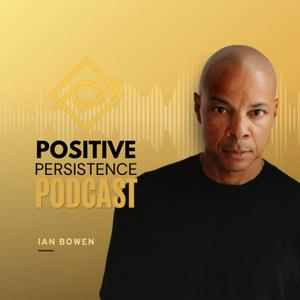
About The Positive Persistence Podcast with Ian Bowen
Welcome to "Positive Persistence, with Ian Bowen," the podcast that will ignite your spirit and fuel your journey to greatness! I'm Ian Bowen, and I'm here to tell you stories of ordinary people who've conquered extraordinary challenges.
If you're ready to unleash your potential and leave an indelible mark on the world, you're in the right place. Each week, we'll dive deep into tales of triumph that will inspire you to overcome your obstacles and reach new heights.
But this isn't just a podcast – it's a movement. By joining our "Positive Persistence" family, you're taking the first step towards activating your highest potential and living the life you truly deserve.
After each episode, don't keep this inspiration to yourself! Share the show with friends who need that extra push. Hit that subscribe button so you never miss a moment of motivation.
Want more? Head over to thepositivepersistence.com and sign up for my weekly newsletter. You'll get access to my free RINSE playbook – your guide to crushing obstacles in life, business, and relationships.
The conversation doesn't stop here. Follow me on Instagram @ianrbowen for more content and daily doses of motivation.
Remember, your journey to greatness starts with a single step. Let "Positive Persistence" be that step. Together, we'll help you step into the next best version of yourself.
Now, let's dive into today's incredible story of resilience over adversity!
Podcast websiteListen to The Positive Persistence Podcast with Ian Bowen, The Jamie Kern Lima Show and many other podcasts from around the world with the radio.net app
Get the free radio.net app
- Stations and podcasts to bookmark
- Stream via Wi-Fi or Bluetooth
- Supports Carplay & Android Auto
- Many other app features
Get the free radio.net app
- Stations and podcasts to bookmark
- Stream via Wi-Fi or Bluetooth
- Supports Carplay & Android Auto
- Many other app features

The Positive Persistence Podcast with Ian Bowen
Scan code,
download the app,
start listening.
download the app,
start listening.
 USA
USA