Listen to this podcast in the app for free: Download for free in the App Store
radio.net
Sleep timer
Save favorites
The Intuitive Customer - Helping You Improve Your Customer Experience To Gain Growth
Colin Shaw, Beyond Philosophy LLC
Latest episode
Available Episodes
5 of 417
- The New Currency of Customer Experience: 'People Like Me'Trust in traditional institutions is eroding. As customers lose faith in advertising, government and even online reviews, they're turning to voices that feel most relatable: peers and communities. Edelman's latest Trust Barometer shows the most credible spokesperson for a company is now "people like me." Ben Shaw and Professor Ryan Hamilton explore the decline of influencer credibility, the rise of community-driven word-of-mouth, the tension between authenticity and control, and why attention + trust will be the "coins of the realm" for brands in the decade ahead. 🔑 Key Takeaways Trust > control – brands that over-engineer influencer content or product placement erode the very authenticity that made those channels effective. Attention + trust are today's scarce currencies – in an AI-shaped customer journey where deep-fakes, fake reviews and scam sites abound, both are harder to win. Community is the new battleground – brands should put the "social" back into social media: support micro-communities, forums and peer-to-peer validation rather than chase mass reach alone. Influencers ≠ "people like me" anymore – audiences are starting to view most creators as a separate, commercial class. Virtual influencers may be a short-lived novelty – unless treated as fictional characters with entertainment value and transparent intent. 📚 Resources Mentioned / Referenced Edelman Trust Barometer G2 crowd / peer-review sites – cited B2B tactic to harness "people like me." Case notes: Super Bowl celebrity ads vs brand recall, Vodafone Germany's virtual influencer, Colonel Sanders' virtual persona.--------33:02
- Good Friction, Bad Friction: Why a Little Effort Makes Customers CareEpisode Overview When everything is one-click easy, do we lose something meaningful? Guest host Dr. Morgan Ward joins Dr. Ryan Hamilton to explore how the right amount of friction in the consumption experience can boost connection, meaning, and long-term use of the product—while the wrong kind just gets in the way. Quote of the Episode "Consumption, in some ways, has just gotten too easy." — Dr. Morgan Ward 🔑 Key Takeaways Easier isn't always better. Ultra-frictionless buying can strip away the identity, discovery, and accomplishment that make buying feel meaningful. Effort signals value. From "chicken-juice coupons" to the IKEA effect, a little work can increase attachment and repeat use. Design friction by segment. Introverts may love self-checkout; extroverts crave chatty lanes—know which experience your customers wants Guide them but don't overwhelm. Keep choice in the journey (it's part of self-expression) but make it manageable and well-scaffolded. Use friction where it adds meaning. Experiential or identity-laden consumption experiences benefit from challenge and discovery; utilitarian tasks should stay smooth. Let search be satisfying. Curated discovery, small hurdles, or "surprise" moments can deliver the joy of the hunt without wasting time. 📚 Resources Mentioned / Referenced · Research example on difficult vs. easy coupons and subsequent purchase · The classic Better Crocker Effect based on the pancake-mix story (adding an egg restored pride and perceived contribution) · Discovery mechanics (blind-box/surprise products) and guided choice in retail · When should there be friction in the consumption experience and when should there not be? About the Hosts Ryan Hamilton is a Professor of Marketing at Emory University's Goizueta Business School and co-author of 'The Intuitive Customer' book. An award-winning teacher and researcher in consumer psychology, he has been named one of Poets & Quants' "World's Best 40 B-School Profs Under 40." His research focuses on how brands, prices, and choice architecture influence shopper decision-making, and his findings have been published in top academic journals and covered by major media outlets like The New York Times and CNN. His work highlights how psychology can help firms better understand and serve their customers. Ryan has a new book called "The Growth Dilemma: Managing Your Brand When Different Customers Want Different Things" Harvard Business Press 2025 Follow Ryan on LinkedIn (https://www.linkedin.com/in/ryan-hamilton-49b3321/) Morgan Ward is an adjunct marketing professor, weekly expert guest on The Take—11Alive's in-depth news program that explores timely stories through expert insight—With over 20 years of experience advising clients ranging from start-ups to Fortune 500s and publishing in top academic journals, she's passionate about decoding the symbolic and cultural forces that shape consumer behavior. Her work focuses on status, identity, and decision-making across sectors like luxury, retail, and tech. Beyond consulting, Morgan serves as an expert witness in branding and advertising litigation, bringing academic rigor to questions of perception, distinctiveness, and influence. Follow Morgan on LinkedIn (https://www.linkedin.com/in/morgankward-phd/)--------25:03
- I Signed a 'Gag Order'. Here's What It Taught Me About OrganizationsIn this episode, Colin Shaw shares a recent personal experience with a major brand that imposed a 'gag order' (NDA) after a poor service experience — and how this reflects a deeper organizational issue: silos. Together with Professor Ryan Hamilton, Colin explores why siloed thinking leads to incoherent customer experiences, how internal motivations can conflict with CX goals, and what leaders must do to ensure learning, trust, and advocacy remain priorities. A must-listen for CX professionals and senior leaders alike. Best Quote: "Who decides? That is the question every leadership team should ask — and answer wisely." Key Takeaways: Organizational silos often lead to decisions that prioritise risk management over customer experience. Legal and PR functions may act rationally within their remit, but this can result in poor CX outcomes without CX leadership involvement. Service recovery is a powerful opportunity to build trust and advocacy — if handled thoughtfully. The presence of gag orders may indicate systemic issues that need urgent attention. CX leaders must break silos, promote organisational learning, and ensure customer trust is considered in every critical decision. Register for the 'Unleash AI. Reimagine CX launch event' by NiCE Cognigy https://www.nice.com/lps/nice-cognigy-launch-event?utm_source=influencers&utm_medium=cpc&utm_campaign=NL_Q425_EN_PLT_GLOB_252346_WBN_NiCE-Cognigy-Virtual-Launch-Event&utm_content=0522834&utm_detail=dentsu-influencers-nicecog-glob-colin About the Hosts: Colin Shaw is a LinkedIn 'Top Voice' with a massive 284,000 followers and 87,000 subscribers to his 'Why Customers Buy' newsletter. Shaw is named one of the world's 'Top 150 Business Influencers' by LinkedIn. His company, Beyond Philosophy LLC, has been selected four times by the Financial Times as a top management consultancy. Shaw is co-host of the top 1.5% podcast 'The Intuitive Customer'—with over 600,000 downloads—and author of eight best-sellers on customer experience, Shaw is a sought-after keynote speaker. Follow Colin on LinkedIn. Ryan Hamilton is a Professor of Marketing at Emory University's Goizueta Business School and co-author of 'The Intuitive Customer' book. An award-winning teacher and researcher in consumer psychology, he has been named one of Poets & Quants' "World's Best 40 B-School Profs Under 40." His research focuses on how brands, prices, and choice architecture influence shopper decision-making, and his findings have been published in top academic journals and covered by major media outlets like The New York Times and CNN. His work highlights how psychology can help firms better understand and serve their customers. Ryan has a new book called "The Growth Dilemma: Managing Your Brand When Different Customers Want Different Things" Harvard Business Press 2025 Follow Ryan on LinkedIn. Subscribe & Follow Apple Podcasts Spotify--------27:52
- The Thrill of the Chase: Why Anticipation Beats OwnershipEpisode Overview Ever buy something you couldn't wait to get—and then let it sit in the box for days (or weeks)? You're not alone. Guest host Morgan Ward joins Ryan Hamilton to explore why we often love the pursuit of products more than the possession of them. From unopened tools and "someday" sweaters to the viral Stanley Cup craze, they unpack the psychology of anticipation, dopamine, and why the thrill fades once the package arrives. This episode reveals what's really driving that "add to cart" impulse—and how brands can design experiences that move customers from wanting to using. Quote of the Episode "Apparently, the most appealing part of consumption for me is the buying—not the using." — Dr. Morgan Ward 🔑 Key Takeaways Anticipation feels better than ownership. Dopamine spikes during the chase, making the search itself deeply rewarding. "Maybe later" kills momentum. Adding something to a wish list or cart often satisfies the craving—so we never come back to buy. Trends have expiration dates. When products are tied to social signaling (like the Stanley Cup craze), they must be used now or lose their power. Experience is the new product. Pop-ups, fittings, and even unboxing rituals add emotional value that can't be postponed. Design for immediacy. Products that promise instant results or gratification inspire customers to open—and love—them right away. 📚 Resources Mentioned / Referenced The Stanley Cup phenomenon as a case study in social inclusion and urgency Discussion of anticipatory utility and the hedonic treadmill in consumer behavior Norton, Michael I., Daniel Mochon, and Dan Ariely. "The IKEA effect: When labor leads to love." Journal of consumer psychology 22, no. 3 (2012): 453-460. About the Hosts Ryan Hamilton is a Professor of Marketing at Emory University's Goizueta Business School and co-author of 'The Intuitive Customer' book. An award-winning teacher and researcher in consumer psychology, he has been named one of Poets & Quants' "World's Best 40 B-School Profs Under 40." His research focuses on how brands, prices, and choice architecture influence shopper decision-making, and his findings have been published in top academic journals and covered by major media outlets like The New York Times and CNN. His work highlights how psychology can help firms better understand and serve their customers. Ryan has a new book called "The Growth Dilemma: Managing Your Brand When Different Customers Want Different Things" Harvard Business Press 2025 Follow Ryan on LinkedIn (https://www.linkedin.com/in/ryan-hamilton-49b3321/) Morgan Ward is an adjunct marketing professor, weekly expert guest on The Take—11Alive's in-depth news program that explores timely stories through expert insight—With over 20 years of experience advising clients ranging from start-ups to Fortune 500s and publishing in top academic journals, she's passionate about decoding the symbolic and cultural forces that shape consumer behavior. Her work focuses on status, identity, and decision-making across sectors like luxury, retail, and tech. Beyond consulting, Morgan serves as an expert witness in branding and advertising litigation, bringing academic rigor to questions of perception, distinctiveness, and influence. Follow Morgan on LinkedIn (https://www.linkedin.com/in/morgankward-phd/)--------25:48
- When Rebrands Go Wrong: Lessons for Customer Experience LeadersIn this episode of The Intuitive Customer, Professor Ryan Hamilton is joined by guest host Ben Shaw to explore the high-stakes world of rebranding. From Cracker Barrel's logo backlash to Jaguar's radical design overhaul, they unpack what happens when brands chase new audiences at the expense of their loyal customers. The conversation dives into the tension between rebranding vs. repositioning, why heritage brands face special challenges, how politics and culture can hijack brand decisions, and practical lessons for leaders trying to grow without alienating their core base. Key Takeaways Rebrand ≠ Reposition: A visual refresh is not the same as shifting your audience or your value proposition, conflate the two at their peril. Respect the Core Customer: Growth shouldn't mean neglecting the customers who got you here; woo them as deliberately as you pursue new ones. Brand Stretch Matters: Broad idea-driven brands (e.g., Virgin, Crocs) can pivot more easily than heritage or status-driven brands (e.g., Jaguar, Burberry). Change Carries Political Luggage: In today's climate, even aesthetic changes can be interpreted as taking sides so plan for backlash and communication. Experience vs. Marketing: Quietly improving the customer experience often triggers less resistance than highly visible logo or messaging changes. Segment Conflicts Are Real: Pursuing one segment often pushes you away from another. Sub-brands Can Create Safe Space: When segments clash, consider sub-brands or status tiers to reduce friction (e.g., Nike's sport verticals, Burberry's London/Brit/Brit Prorsum). Heritage is an Asset and a Trap: Brands built on nostalgia or legacy often risk losing their most valuable equity if they modernise too aggressively. Resources & Brands Mentioned Ryan Hamilton & Annie's book: The Growth Dilemma – on managing relationships between customer segments. Brand case studies: Cracker Barrel, Jaguar, Burberry, Kohl's, Nike, Crocs, Virgin, Michael Kors.--------36:35
More Business podcasts
 Young and Profiting with Hala Taha (Entrepreneurship, Sales, Marketing)Business, Entrepreneurship
 Habits and HustleBusiness, Education, Health & Wellness, Entrepreneurship, Self-Improvement
 The Home Service Expert PodcastBusiness, Management
 The Vault UnlockedBusiness, Marketing
 The Money MondaysBusiness, Entrepreneurship
 Money Rehab with Nicole LapinBusiness, Education, Self-Improvement
 Proven PodcastBusiness, Entrepreneurship
 Creating Confidence with Heather MonahanBusiness, Education, Entrepreneurship, Self-Improvement
 The Level Up Podcast w/ Paul AlexBusiness, Education, Entrepreneurship, Self-Improvement
 Unblinded with Sean CallagyBusiness, Education, News, Sports, Sports News
Trending Business podcasts
 CNBC's "Fast Money"Business, News, Investing
 Life Wide Open with CboysTVBusiness, Leisure, Entrepreneurship
 The Pomp PodcastBusiness, Investing
 Worklife with Adam GrantBusiness, Management
 Front Row Seat with Ken ColemanBusiness, Education, Careers, Self-Improvement
 Mad Money w/ Jim CramerBusiness, News, Investing
 Marketplace All-in-OneBusiness, News
 Inside InsightsBusiness, Marketing
 Marketplace Morning ReportBusiness, News
 Money For Couples with Ramit SethiBusiness, Society & Culture, Investing, Relationships
 Reuters Morning BidBusiness, News, Business News, Investing
 The MarketsBusiness
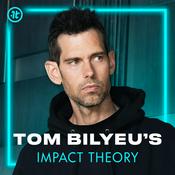 Tom Bilyeu's Impact TheoryBusiness, News, Society & Culture, News Commentary, Philosophy
 Jill on Money with Jill SchlesingerBusiness, Education, Investing, Self-Improvement
 BiggerPockets Money PodcastBusiness, Education, Investing
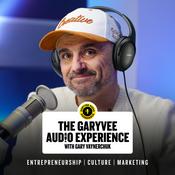 The GaryVee Audio ExperienceBusiness, Marketing
 She's So LuckyBusiness, Education, Health & Wellness, Entrepreneurship, Self-Improvement
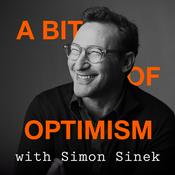 A Bit of OptimismBusiness, Education, Careers, Self-Improvement
 The Ramsey Show HighlightsBusiness, Education, Investing, Self-Improvement
 ChooseFIBusiness, Careers, Investing
 The Personal Finance PodcastBusiness, Investing
 The Agile Brand with Greg Kihlström®: Expert Mode Marketing Technology, AI, & CXBusiness, Marketing
 The Game with Alex HormoziBusiness, Education, Entrepreneurship, Tutorials
 声动早咖啡Business, Technology, Entrepreneurship, Investing
 My First MillionBusiness, Entrepreneurship
 Financial FeministBusiness, Education, Tutorials
 Real Estate RookieBusiness, Education, Tutorials, Investing
 The Indicator from Planet MoneyBusiness
 The Real Eisman PlaybookBusiness, Investing
 The Stacking Benjamins ShowBusiness, Education, Investing, Self-Improvement
About The Intuitive Customer - Helping You Improve Your Customer Experience To Gain Growth
We believe you should laugh and learn! 'The Intuitive Customer' podcast achieves this. Hosted by Colin Shaw, recognized as one of the top 150 business influencers by LinkedIn, where he has over 283,000 followers, and Prof. Ryan Hamilton, Emory University, discusses how you can improve your Customer Experience and gain growth.
This review sums up:
"The dynamic between the two hosts makes this podcast. Each brings a unique take on the topic and their own perspective and plays off each other sense of humor. I come away after each episode with a feeling of joy and feeling a bit smarter".
Visit www.BeyondPhilosophy.com
Podcast websiteListen to The Intuitive Customer - Helping You Improve Your Customer Experience To Gain Growth, Young and Profiting with Hala Taha (Entrepreneurship, Sales, Marketing) and many other podcasts from around the world with the radio.net app
Get the free radio.net app
- Stations and podcasts to bookmark
- Stream via Wi-Fi or Bluetooth
- Supports Carplay & Android Auto
- Many other app features
Get the free radio.net app
- Stations and podcasts to bookmark
- Stream via Wi-Fi or Bluetooth
- Supports Carplay & Android Auto
- Many other app features

The Intuitive Customer - Helping You Improve Your Customer Experience To Gain Growth
Scan code,
download the app,
start listening.
download the app,
start listening.
 USA
USA