
Listen to this podcast in the app for free: Download for free in the App Store
radio.net
Sleep timer
Save favorites
176 episodes

Find Your Funny Without Alcohol With Ginny Hogan
10/26/2026 | 51 mins.Sonia welcomes Ginny Hogan for an honest, funny conversation about sober dating, identity, and learning what actually feels good without alcohol. Sonia helps unpack the expectations that can follow women into recovery. Ginny Hogan is a stand up comic & writer. Her newest book, OBEY IN ADVANCE, co-written with Carlos Greaves, is out now.
What happens when drinking stops being the way to loosen up on dates? Does getting sober automatically improve relationships? And what if being a comedian doesn’t mean wanting to entertain everyone at dinner? Sonia and Ginny explore sober sex, compatibility, and the freedom to stop performing.
Their conversation covers early sobriety’s “pink cloud,” finding support that fits, wellness overload, and making room for discomfort. They discuss changing relationship patterns, accepting insecurities, and protecting time to step back. Ginny also shares how political satire creates space for laughter and catharsis.
From a competitive childhood in New York to dating apps and late-night comedy, Ginny traces how drinking became woven into her life. She shares the physical distress that pushed her toward change, an awkward return to sober intimacy, and how marriage and motherhood helped reshape the stories she wanted to tell.
This is Sisters in Sobriety, the support community that helps women change their relationship with alcohol. Check out our substack for extra tips, tricks and resources.
Ginny’s Links
Website
Email Ginny
OBEY IN ADVANCE
All links and appearances
SIS Links
💌 Sisters In Sobriety Substack – where the magic (and the mocktail recipes) happen
📬 Sisters In Sobriety Email
📸 Sisters In Sobriety Instagram
Timestamped Highlights
00:00 — Introducing Ginny Hogan
02:00 — Debate, competition, and wanting validation
04:00 — Dating apps and drinking before dates
06:00 — Recognizing that moderation wasn’t working
07:00 — Feeling physically ill and seeking answers
09:00 — Fearing sober dating and stand-up
10:00 — A life that shrinks and expands
12:00 — The pink cloud and finding recovery support
14:00 — When wellness becomes expensive overcompensation
16:00 — Making room to opt out
17:00 — Sobriety labels and personal boundaries
21:00 — Feeling beyond addiction, yet fearing intoxication
23:00 — When relationships don’t improve with sobriety
26:00 — Returning to sober dating and intimacy
29:00 — Relationship patterns that survive quitting alcohol
34:00 — Learning to experience discomfort without drinking
36:00 — Body image and complicated health changes
42:00 — The pressure to be funny on dates
49:00 — OBEY IN ADVANCE and political catharsis
50:00 — What satire can revealHope in the Hard With Christina Smallwood
10/19/2026 | 44 mins.Hardship does not pause when someone gets sober. In this episode of Sisters in Sobriety, Sonia welcomes Christina Smallwood, author of Hope in the Hard: Action Steps for Navigating Hardships. Through honest questions and shared recovery experiences, Sonia explores how Christina navigated grief, infertility, adoption, parenting a child with special needs, and a relationship with alcohol that became increasingly difficult to ignore.
What happens when drinking becomes a way to quiet grief and insecurity? How can someone look successful while struggling privately? And what makes hope different from toxic positivity? Their conversation explores people pleasing, alcohol as part of an identity, family expectations, and the fear that sobriety means losing the fun.
Christina describes hope as an action, rather than a demand to feel positive. She shares the difference between taking a temporary alcohol break and committing to recovery, along with the roles therapy, sponsorship, faith, and honest community played in her experience. They also discuss self-awareness, making amends, and recognizing emotional patterns that repeat across relationships.
Behind Christina’s public success is a deeply personal story: losing her father, facing infertility, and navigating her daughter’s surgery while alcohol became a source of escape. She reflects on returning to drinking after seven months alcohol-free, the private turning point that led her toward recovery, and the grace that helped her feel less alone.
This is Sisters in Sobriety, the support community that helps women change their relationship with alcohol. Check out our substack for extra tips, tricks and resources.
SIS Links
💌 Sisters In Sobriety Substack – where the magic (and the mocktail recipes) happen
📬 Sisters In Sobriety Email
📸 Sisters In Sobriety Instagram
Episode highlights
01:00 — Meet Christina Smallwood
03:00 — People pleasing and honest connection
05:00 — The hardship that changed her life
06:00 — Losing her father and finding faith
07:00 — Hope versus toxic positivity
08:00 — Taking recovery one step at a time
10:00 — Alcohol, acceptance, and blackouts
12:00 — Grief and the shift to daily drinking
15:00 — Seeing a joyful sober life modeled
16:00 — A seven-month alcohol break
17:00 — Family expectations and moderation
21:00 — Returning to drinking after surgery
24:00 — A private turning point
26:00 — Early sobriety and seeking support
29:00 — Finding belonging in recovery meetings
32:00 — Making amends and receiving grace
36:00 — Hiding sobriety in social settings
38:00 — Facing the insecurities beneath drinking
40:00 — The weight of looking successful
43:00 — Feeling less alone in the hardMedical Gaslighting: Why Women Struggle to Be Heard With Nikki V
10/12/2026 | 54 mins.On Sisters in Sobriety, Sonia and Kathleen support women in changing their relationship with alcohol and trusting themselves along the way. In this episode, Sonia talks with Nikki Sapiro Vinckier, an OB-GYN physician assistant, author of We Deserve More, and founder of Take Back Trust, about advocating for better women’s healthcare.
What does medical gaslighting sound like? When does “that’s normal” leave a real concern unanswered? How can perimenopause, sobriety, and changing relationships complicate the way women understand their bodies? Sonia and Nikki explore pain, reproductive health, and the questions patients may hesitate to ask.
Nikki explains how to prepare for an appointment, describe symptoms through their impact on daily life, and ask for a clear next step. The conversation covers perimenopause and menopause, trauma-informed care, LGBTQ+ inclusion, weight stigma, and rebuilding trust in a changing body.
The conversation becomes personal when Sonia shares the fear and isolation of receiving an HPV result by mail. Their exchange explores sexual-health stigma, gaps in communication, and why questions about prevention and follow-up deserve space in the exam room.
This is Sisters in Sobriety, the support community that helps women change their relationship with alcohol. Check out our substack for extra tips, tricks and resources.
Nikki’s Links
📸 Instagram
📚 We Deserve More
SIS Links
💌 Sisters In Sobriety Substack – where the magic (and the mocktail recipes) happen
📬 Sisters In Sobriety Email
📸 Sisters In Sobriety Instagram
🌐 Kathleen’s Website Kathleen does not endorse any products mentioned in this podcast
📸 Kathleen’s Instagram
Timestamped Highlights
01:00 — Meet Nikki Sapiro Vinckier
02:00 — An unexpected path into OB-GYN care
04:00 — Why Nikki took her advocacy beyond the clinic
06:00 — What medical gaslighting can sound like
08:00 — Why speaking up can feel difficult
12:00 — Prepare before entering the exam room
13:00 — Describe symptoms and their daily impact
15:00 — Responding when a concern is called “normal”
18:00 — Perimenopause symptoms across daily life
20:00 — Getting to know the body in sobriety
22:00 — Bias and the history of women’s healthcare
24:00 — Finding a clinician who takes concerns seriously
28:00 — Perimenopause, menopause, and postmenopause
30:00 — Birth control and menopause assessment
32:00 — Gaps in training and trauma-informed care
33:00 — How healthcare fails LGBTQ+ patients
36:00 — Asking for care preferences around weighing
38:00 — The meaning behind Take Back Trust
43:00 — Dating, HPV questions, and Sonia’s experience
52:00 — We Deserve More and rebuilding self-trustBreaking the Nightly Wine Habit with Casey Davidson
10/05/2026 | 51 mins.What happens when a successful life includes a private struggle with alcohol? In this episode, Sonia speaks with Casey Davidson, founder of Hello Someday Coaching and host of the Hello Someday podcast, about high achievement, anxiety, and getting out of the drinking cycle.
Why can drinking feel like the only way to switch off? What makes the evening “witching hour” so difficult? How can sober curiosity and gray area drinking open a conversation without labels? Sonia and Casey explore early sobriety, moderation, and the value of support from women who understand.
Casey shares the practical pieces of her “sober bubble”: asking for help, changing routines, eating before the evening rush, and lowering expectations. She explains her 100-day coaching approach, discusses everyday rewards, and explores how boundaries and community create room for a more satisfying life.
From college rugby and corporate pressure to motherhood and nightly red wine, Casey traces the moments that made drinking harder to ignore. She shares how a 100-day commitment grew into lasting sobriety—and how admitting she no longer wanted her corporate job helped lead her toward coaching.
This is Sisters in Sobriety, the support community that helps women change their relationship with alcohol. Check out our substack for extra tips, tricks and resources.
Casey’s Links
🌐 Hello Someday Coaching Website
📸 Casey’s Instagram — @caseymdavidson
SIS Links
💌 Sisters In Sobriety Substack – where the magic (and the mocktail recipes) happen
📬 Sisters In Sobriety Email
📸 Sisters In Sobriety Instagram
🌐 Kathleen’s Website Kathleen does not endorse any products mentioned in this podcast
📸 Kathleen’s Instagram
Timestamped highlights
00:00 — Introducing Casey Davidson
02:00 — People-pleasing and the gold-star girl
04:00 — Rugby culture and problematic drinking
07:00 — Mommy wine culture and climbing the ladder
09:00 — Recognizing herself in quit lit
11:00 — Reaching the point of needing change
12:00 — Committing to 100 alcohol-free days
15:00 — Extending the break to a year
16:00 — Building a sober bubble
19:00 — Preparing for the witching hour
20:00 — Eating before the evening rush
23:00 — Life after the red wine identity
25:00 — Admitting her career no longer fit
28:00 — Launching Hello Someday and defining coaching
30:00 — Making room for bigger life changes
33:00 — Casey’s perspective on moderation
37:00 — Her approach to substituting substances
42:00 — Questioning recovery labels
45:00 — Sober curiosity and gray area drinking
48:00 — Finding women who understandSober but Still Angry? With Zach Brittle
09/28/2026 | 58 mins.What happens when the drinking stops but the anger stays? Sonia welcomes Zach Brittle, LMHC, Certified Gottman Therapist, Relational Life Therapist, and host of Marriage Therapy Radio.
Why can resentment linger after quitting alcohol? How can someone take responsibility without taking all the blame? What happens when partners get sober at different times? Sonia and Zach explore recovery, relationship boundaries, and rebuilding trust beyond counting drinks or sober days.
Zach explains his approach to the “wise adult,” pausing before reacting, and playing the movie forward. He describes how Relational Life Therapy connects self-esteem, boundaries, and intimacy, and why having communication tools differs from being ready to use them. Sonia also asks about the difference between celebrating recovery and becoming overconfident.
From asking for help during the pandemic to confronting longstanding resentment, Zach shares the experiences behind his recovery. An unforgettable Christmas tree stand, a frustrating gas-station queue, and his and Rebecca’s different paths to sobriety reveal how change has reshaped their marriage and parenting.
This is Sisters in Sobriety, the support community that helps women change their relationship with alcohol. Check out our substack for extra tips, tricks and resources.
Zach’s Links
Website
Instagram
Marriage Therapy Radio
SIS Links
💌 Sisters In Sobriety Substack – where the magic (and the mocktail recipes) happen
📬 Sisters In Sobriety Email
📸 Sisters In Sobriety Instagram
🌐 Kathleen’s Website Kathleen does not endorse any products mentioned in this podcast
📸 Kathleen’s Instagram
Episode Highlights
00:00 — Introducing Zach Brittle
02:00 — Recovery beyond alcohol
04:00 — Recognizing personal relapse risks
08:00 — Drinking escalates during COVID
10:00 — Asking for a sponsor’s help
13:00 — Taking inventory of resentment
15:00 — Owning his anger without alcohol
18:00 — Responsibility versus self-blame
20:00 — Anger in the gas-station queue
22:00 — The pause that creates choice
25:00 — Playing the movie forward
27:00 — Recovery becomes a new way of living
29:00 — A milestone tests his sobriety
33:00 — Why tools alone aren’t enough
35:00 — Self-esteem, boundaries, and intimacy
40:00 — Partners on different recovery paths
46:00 — Setting relationship boundaries
47:00 — Alcohol’s impact beyond drink counts
49:00 — Connection, fun, and life after drinking
56:00 — Modeling recovery for adult children
More Health & Wellness podcasts








Trending Health & Wellness podcasts





















About Sisters In Sobriety
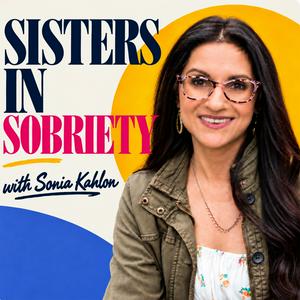
You know that sinking feeling when you wake up with a hangover and think: “I’m never doing this again”? We’ve all been there. But what happens when you follow through? Sonia Kahlon can tell you, because she did it! In this podcast, Sonia invites you into her world as she navigates the ups and downs of sobriety, explores stories of personal growth, and shares her journey of wellness and recovery. Get ready for some real, honest conversations about sobriety, addiction, and everything in between. Episodes will cover topics such as: reaching emotional sobriety, how to make the decision to get sober, adopting a more mindful lifestyle, socializing without alcohol, and much more. Whether you’re sober-curious, seeking inspiration and self-care through sobriety, or embracing the alcohol-free lifestyle already…Tune in for a weekly dose of vulnerability, support, and advice.
Podcast websiteListen to Sisters In Sobriety, The Dylan Gemelli Podcast and many other podcasts from around the world with the radio.net app
Get the free radio.net app
- Stations and podcasts to bookmark
- Stream via Wi-Fi or Bluetooth
- Supports Carplay & Android Auto
- Many other app features
Get the free radio.net app
- Stations and podcasts to bookmark
- Stream via Wi-Fi or Bluetooth
- Supports Carplay & Android Auto
- Many other app features

Sisters In Sobriety
Scan code,
download the app,
start listening.
download the app,
start listening.
 USA
USA