Listen to this podcast in the app for free: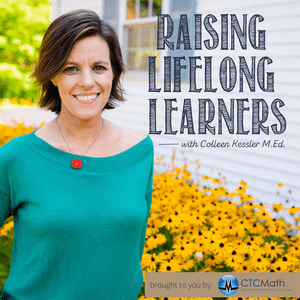 Download for free in the App Store
radio.net
Sleep timer
Save favorites
Available Episodes
5 of 290
- Movement on Bad Weather Days: Meeting Sensory Needs at HomeIcky Weather can throw off routines, especially for differently wired kiddos with sensory needs. When outdoor time isn't an option, you might notice more fidgeting, zoning out, or struggles with focus. But don't worry—in this episode of the podcast, you'll find simple, creative ideas to feed those movement needs, helping kids regulate and transition smoothly to academics or other activities. Here's a peek at what you'll find: Quick Home Sensory Zone: Learn how to set up a safe, 5x5 space using cushions, painter's tape, and a crash pad—no fancy equipment necessary! Heavy Work Menu: Wall push-ups, laundry basket hauls, chair pushbacks, and animal walks—no gear needed. These activities organize and calm kids for improved focus. Vestibular Activities: (Use with care!) Rocking chairs, log rolls, balance lines, and jump zones—all for short bursts to get brains and bodies alert. Movement Circuits: Build easy three-station circuits for calm, wake-up, or after-lunch resets. Each circuit is two minutes of activity + one minute of water break. Rotate and customize as needed! Fun & Games: Turn movement into play with "heavy work floor is lava," hallway sled races, sock match dashes, and fitness card flips. Bonus Toolkit Alert! Check out the brand new Sensory Strategy Toolkit in our shop—a printable deck of activity cards sorted by sensory need. Perfect for quick reference, planning, and keeping kids engaged! Why Movement Matters Kids who get enough heavy work are more likely to be calm, organized, and ready to learn. Sensory-informed movement routines aren't just for rainy days—they help anytime you need a transition or reset. Let kids choose activities, set visual timers, and check their "green, yellow, red" body readiness zones to build self-awareness. Support the Show Subscribe, leave a rating, and share this episode with anyone who could use a little sensory inspiration. Enjoy your week, love on your kids, and let movement work its magic—even if the rain won't stop! Links and Resources from Today's Episode Thank you to our sponsors: CTC Math – Flexible, affordable math for the whole family! Curiosity Post - A Snail Mail Club for kids - Coming in 2026! The Lab: An Online Community for Families Homeschooling Neurodivergent Kiddos The Homeschool Advantage: A Child-Focused Approach to Raising Lifelong Learners Raising Resilient Sons: A Boy Mom's Guide to Building a Strong, Confident, and Emotionally Intelligent Family The Anxiety Toolkit Sensory Strategy Toolkit | Quick Regulation Activities for Home Affirmation Cards for Anxious Kids Sensory Struggles and Clothes: How to Help Your Child Dress Without Tears Navigating Sensory Overload: Actionable Strategies for Kids in Loud Environments Building a Sensory Diet Toolbox for Neurodivergent Kids at Home Playful Sensory Learning at Home: Five Senses Spinner Managing the Holidays with Sensory Kids with Sarah Collins Self-Care and Co-Regulation | Balancing Parenting and Sensory Needs Respecting Your Child's Sensory Needs: When You Have to Say "No" Sensory Science Activity: Perfect For Your Homeschool Embracing Art and Its History for Kids With Sensory Issues Yard Work for Sensory Input Pumpkin Play Dough | Sensory Fun for Kids Sensory Play with Spice Painting Sensory Play for Kids--------40:13
- Sensory Struggles and Clothes: How to Help Your Child Dress Without TearsWe know mornings can feel like a battlefield when sensory issues and clothing collide, leaving kids (and parents!) frustrated before the day even begins. That's why this week's podcast episode dives into the heart of sensory struggles with clothes. Colleen has packed this episode with real-life advice for families navigating tactile sensitivities. If getting dressed feels like wrestling a porcupine, you're not alone—and you're not failing! Sensory struggles are REAL signals from your child's nervous system. Sometimes clothes feel prickly, itchy, or unexpectedly uncomfortable and it can lead to meltdowns. The triggers are diverse: tactile defensiveness, unpredictability (new tags or seams), anxiety, or simply needing more control over their experiences. Comfort First: Building a Supportive Wardrobe Colleen encourages a "comfort audit" this week: set aside 10–15 minutes with your child and sort clothing into keeps, maybes, and no ways. Let your child lead—by touch, feel, or trying on—and honor their decisions. Once you have your "green light" pieces, build a 3–5 piece comfort capsule wardrobe: fewer choices mean less morning stress. You've got this! Links and Resources from Today's Episode Thank you to our sponsor: CTC Math – Flexible, affordable math for the whole family! The Lab: An Online Community for Families Homeschooling Neurodivergent Kiddos The Homeschool Advantage: A Child-Focused Approach to Raising Lifelong Learners Raising Resilient Sons: A Boy Mom's Guide to Building a Strong, Confident, and Emotionally Intelligent Family The Anxiety Toolkit Navigating Sensory Overload: Actionable Strategies for Kids in Loud Environments Building a Sensory Diet Toolbox for Neurodivergent Kids at Home Playful Sensory Learning at Home: Five Senses Spinner Managing the Holidays with Sensory Kids with Sarah Collins Self-Care and Co-Regulation | Balancing Parenting and Sensory Needs Respecting Your Child's Sensory Needs: When You Have to Say "No" Sensory Science Activity: Perfect For Your Homeschool Embracing Art and Its History for Kids With Sensory Issues Yard Work for Sensory Input Pumpkin Play Dough | Sensory Fun for Kids Sensory Play with Spice Painting Sensory Play for Kids--------52:26
- Navigating Sensory Overload: Actionable Strategies for Kids in Loud EnvironmentsThis episode continues our sensory series, diving deep into the world of Sensory Sound, with actionable strategies for supporting sensitive kids wherever you go. Why Are Loud Spaces So Overwhelming? Colleen unpacks how unpredictable peaks in sound, bustling crowds, harsh lighting, and layered sensory inputs can overload sensitive nervous systems. Whether it's a mic popping at announcements, the hum of the HVAC, or the swirl of cafeteria chatter—these environments can quickly become "too much." Building a Predictable Noise Plan—Step by Step This episode is all about taking back control and creating a kind, doable plan so your kids can participate and feel safe: Recon the Space: Visit venues early, spot the quiet zones, locate exits, and identify problem areas. Create a Noise Map: Colleen shares practical tips for sketching out "green" (safe/quiet), "yellow" (watchful), and "red" (overwhelming) areas in any environment. Try the Gear: Explore sound-dampening solutions, from free options (hoodies, signals) to noise-canceling headphones and musicians' earplugs—covering several budgets. Practice Exit & Reentry: Teach simple signals, rehearse calming routines, and have a regrouping spot so kids know when and how to retreat and return. End With a Win: Celebrate every step your child takes in self-advocacy—even if it means sitting out for the day. Praise their use of the plan! Real-Life Stories & Church Success Inspired by a learner's lab member's ongoing journey, Colleen offers scripts for requesting accommodations and creative ways to normalize sensory gear. You'll also hear practical solutions for church, co op, cafeterias, and gym settings. Links and Resources from Today's Episode Thank you to our sponsor: CTC Math – Flexible, affordable math for the whole family! The Lab: An Online Community for Families Homeschooling Neurodivergent Kiddos The Homeschool Advantage: A Child-Focused Approach to Raising Lifelong Learners Raising Resilient Sons: A Boy Mom's Guide to Building a Strong, Confident, and Emotionally Intelligent Family The Anxiety Toolkit Building a Sensory Diet Toolbox for Neurodivergent Kids at Home Playful Sensory Learning at Home: Five Senses Spinner Managing the Holidays with Sensory Kids with Sarah Collins Self-Care and Co-Regulation | Balancing Parenting and Sensory Needs Respecting Your Child's Sensory Needs: When You Have to Say "No" Sensory Science Activity: Perfect For Your Homeschool Embracing Art and Its History for Kids With Sensory Issues Yard Work for Sensory Input Pumpkin Play Dough | Sensory Fun for Kids Sensory Play with Spice Painting Sensory Play for Kids--------59:08
- Building a Sensory Diet Toolbox for Neurodivergent Kids at HomeIn today's episode, Colleen breaks down what a sensory diet is (and isn't!), why it matters, and how to get started with simple, safe, and low-prep strategies that work in any space—even if your house is bursting at the seams. Here's what you'll find inside: A breakdown of the five key sensory systems: proprioceptive, vestibular, tactile, oral motor, and auditory/visual. Ideas for easy, everyday sensory activities: From "squeezy hugs" and wall pushups to crashing into beanbags, squishing play doh, sipping yogurt through a straw, and more—no fancy equipment required! How to spot your child's "pressure points" throughout the day (transition trouble spots, meltdown times, etc.) Ways to tailor your sensory menu: For movement-seeking kids, those who prefer sameness, and kiddos with anxiety or academic challenges. Troubleshooting tips: Small spaces, tight budgets, sibling drama, and even messy play. Most importantly, you'll learn how to help kids notice and communicate what works for their bodies. We're all about empowering them with choice and self-awareness! Free Download: Home Sensory Diet Planner Grab Your Sensory Diet Planner! Ready to build your own sensory toolbox? Head over to the show notes and grab your free planner! It's packed with suggestions and space to track your kids' pressure points, sensory wins, and more. Links and Resources from Today's Episode Thank you to our sponsor: CTC Math – Flexible, affordable math for the whole family! The Lab: An Online Community for Families Homeschooling Neurodivergent Kiddos The Homeschool Advantage: A Child-Focused Approach to Raising Lifelong Learners Raising Resilient Sons: A Boy Mom's Guide to Building a Strong, Confident, and Emotionally Intelligent Family The Anxiety Toolkit Playful Sensory Learning at Home: Five Senses Spinner Managing the Holidays with Sensory Kids with Sarah Collins Self-Care and Co-Regulation | Balancing Parenting and Sensory Needs Respecting Your Child's Sensory Needs: When You Have to Say "No" Sensory Science Activity: Perfect For Your Homeschool Embracing Art and Its History for Kids With Sensory Issues Yard Work for Sensory Input Pumpkin Play Dough | Sensory Fun for Kids Sensory Play with Spice Painting Sensory Play for Kids--------52:01
- Why Is Finishing So Hard? Helping Neurodivergent Kids Cross the Finish LineLet's be honest: if your kiddos leave a trail of half-finished projects, open browser tabs, and idea explosions in their wake, you are SO not alone. Neurodivergent kids (and their amazing, multitasking moms!) can struggle with seeing things through—not because they're lazy or unmotivated, but because the finish line often feels fuzzy, overwhelming, or just plain boring. In this week's episode, we're unpacking: Why finishing is tough for neurodivergent kiddos, whether it's next-step anxiety, perfectionism, time blindness, or working memory hurdles. The power of "done statements"—specific, clear criteria for what finished actually looks like. (Think: "This is done when you've done 10 math problems with all steps shown" or "Laundry is done when it's in the drawer and the basket is empty.") Works-in-progress (WIP) limits – One "now" and one "next," with everything else safely parked and waiting. (Idea overload, be gone!) Quick wins and tiny products: Get something DONE in a day with a postcard summary, a 3-slide deck, or a 60-second voice memo. Saving progress rituals: So nothing gets lost, and future-you can jump right back in—next steps, photos, and all. Keeping motivation up: Dopamine logs, gallery walls, and flexible closure routines—because DONE is more important than PERFECT. Lots of love for all our creative, innovative kids (gifted, 2e, ADHD, autistic, and more). Remember—these strategies are for real families, with real kids, and I promise you, they WORK. Links and Resources from Today's Episode Thank you to our sponsor: CTC Math – Flexible, affordable math for the whole family! The Lab: An Online Community for Families Homeschooling Neurodivergent Kiddos The Homeschool Advantage: A Child-Focused Approach to Raising Lifelong Learners Raising Resilient Sons: A Boy Mom's Guide to Building a Strong, Confident, and Emotionally Intelligent Family The Anxiety Toolkit Executive Function Struggles in Homeschooling: Why Smart Kids Can't Find Their Shoes (and What to Do About It) How Adventuring Together Grows Confidence, Curiosity, and Executive Function Understanding Executive Function Skills in Gifted and Twice-Exceptional Children Strengthening Executive Function Skills: A Conversation with Sarah Collins Strengthen Executive Function Skills The Best Books for Teaching About Executive Functions Skills 7 Executive Functioning Activities for Small Children RLL #84: Exploring Education and Executive Function with Seth Perler The Unmeasured Executive Functioning Issue Why Typical Organization Systems Fail Neurodivergent Homeschoolers and What Works Instead When Working Memory Looks Like Defiance Finding Your People | Why Community Matters for Homeschoolers of Neurodivergent Kids Building Flexible Thinking Skills in Your Neurodivergent Child Why Decision Making Feels Overwhelming for Neurodivergent Kids and How to Help--------37:11
More Education podcasts
 Digital Social HourEducation, Self-Improvement
 The Mel Robbins PodcastEducation, Health & Wellness, Society & Culture, Mental Health, Relationships, Self-Improvement
 Living Your LegacyBusiness, Education, TV & Film, Entrepreneurship, Film Interviews, Self-Improvement
 The Skinny Confidential Him And Her ShowBusiness, Education
 Mick UnpluggedBusiness, Education, Entrepreneurship, Management, Self-Improvement
 Ready For Love with Hilary SilverEducation, Health & Wellness, Society & Culture, Mental Health, Relationships, Self-Improvement
 The Daily StoicBusiness, Education, Society & Culture, Self-Improvement
 Becoming UnDoneEducation, Health & Wellness, Society & Culture, Documentary, Self-Improvement
 Miracle Mentality with Tim Storey (Motivation, Self Help, and Mental Health)Education, Health & Wellness, Mental Health, Self-Improvement
 Impact with Eddie WilsonBusiness, Education, Entrepreneurship, Investing, Self-Improvement
Trending Education podcasts
 HerLearn Legacy PodcastEducation, Tutorials
 Conversations with Dr. JenniferEducation, Health & Wellness, Mental Health, Self-Improvement, Sexuality
 Sean Michael Crane's Unstoppable MindsetEducation, Health & Wellness, Society & Culture, Personal Journals, Self-Improvement
 too much.Education, Health & Wellness, Society & Culture, Mental Health, Relationships, Self-Improvement
 Dreaming Spanish Podcast – Chats in Beginner SpanishEducation, Language Learning
 Try ThisEducation, Society & Culture, Self-Improvement
 Weirdly Helpful (formerly The Best Advice Show)Education, Health & Wellness, Tutorials, Mental Health, Self-Improvement
 5-Minute Videos | PragerUBusiness, Education, History, Non-Profit, Self-Improvement
 Bedros Keuilian Podcast ShowEducation, Self-Improvement
 UNBIASED PoliticsEducation
 صلح درونEducation, Self-Improvement
 The Other Side NDE (Near Death Experiences)Education, Religion & Spirituality
 Hillsdale DialoguesEducation
 Aware and AggravatedEducation, Health & Wellness, Mental Health, Self-Improvement
 No Hay Tos (Real Mexican Spanish)Comedy, Education, Language Learning
 Ketab Jibi | پادکست کتاب جیبیEducation, Self-Improvement
 The Let Them TheoryEducation, Self-Improvement
 SHE with Jordan Lee DooleyEducation, Self-Improvement
 El Podcast de Marco Antonio RegilEducation, Health & Wellness, Self-Improvement
 This Naked Mind PodcastEducation, Self-Improvement
 The Digital SisterhoodEducation, Society & Culture, Documentary, Self-Improvement
 Before BreakfastEducation, Self-Improvement
 رادیو راه با مجتبی شکوریEducation
 THE ED MYLETT SHOWBusiness, Education, Entrepreneurship, Self-Improvement
 Pulling The Thread with Elise LoehnenEducation, Religion & Spirituality, Self-Improvement
 Am I the Genius?Education, Self-Improvement
 The Rachel Cruze ShowBusiness, Education, Investing, Self-Improvement
 Financial Coaching for Women: How To Budget, Manage Money, Pay Off Debt, Save Money, Paycheck PlansEducation, Tutorials
 Cram The PanceEducation, Courses
 The Jefferson Fisher PodcastEducation, Society & Culture, Relationships, Self-Improvement
About Raising Lifelong Learners
The Raising Lifelong Learners podcast helps homeschooling parents encourage their differently-wired kids to learn, explore passions, cultivate creativity, and become fascinated by the world around them. Join host Colleen Kessler -- educational consultant, gifted specialist, author, and speaker -- for interviews, audioblogs, tips, and encouragement to help your differently-wired kiddos become lifelong learners -- children who know that they can find the answers to anything they want to know if they can just view their world with play, passion, and fascination.
Podcast websiteListen to Raising Lifelong Learners, Digital Social Hour and many other podcasts from around the world with the radio.net app
Get the free radio.net app
- Stations and podcasts to bookmark
- Stream via Wi-Fi or Bluetooth
- Supports Carplay & Android Auto
- Many other app features
Get the free radio.net app
- Stations and podcasts to bookmark
- Stream via Wi-Fi or Bluetooth
- Supports Carplay & Android Auto
- Many other app features

Raising Lifelong Learners
Scan code,
download the app,
start listening.
download the app,
start listening.
 USA
USA