

Listen to this podcast in the app for free: Download for free in the App Store
radio.net
Sleep timer
Save favorites
79 episodes

E80: Services Down, Goods Up, and What It Signals Next
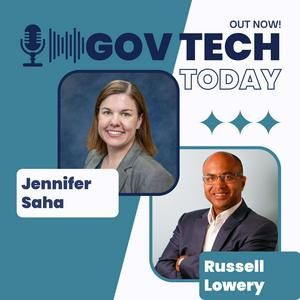
08/25/2026 | 20 mins.On this episode of Gov Tech Today, hosts Russell Lowery and Jennifer Saha step back from day-to-day procurement details to examine what California’s public data reveals about technology spending trends. Jen shares analysis comparing FY 2024–25 to 2025–26 across major contract vehicles, finding a sharp decline in IT services: about $3.8B down to $2.59B, nearly a 30% drop, with notable decreases in interagency agreements (down roughly 50%), formal competitive bids, and non-competitive bids. At the same time, IT goods spending is steadier and slightly up—from about $2.3B to $2.7B—suggesting continued purchases of software, hardware, and cloud while agencies reduce reliance on long-term vendor-managed services. They discuss policy changes enabling implementation services through the Software Licensing Program and consider political pressures, budget constraints, and potential pent-up demand ahead of the next administration.
00:00 Show Intro
00:14 Why Spend Is Down
02:28 Services Spending Drop
05:07 Interagency Declines
06:33 Competitive Bid Slowdown
09:09 SLP Services Surge
11:49 Goods Mostly Flat
13:51 What Counts As Goods
16:26 Big Picture Outlook
19:21 Wrap Up And ContactE79: California’s New State CIO on SITES, AI Guardrails, and the Future of CDT
08/11/2026 | 36 mins.On Gov Tech Today, host Jennifer Saha speaks with Chris Given, California’s new state CIO and director of the California Department of Technology, about his first 10 weeks in the role and priorities for the state’s tech organization. Given shares his background across 10 federal agencies via the U.S. Digital Service and work with several states, then discusses how CDT must adapt as departments modernize away from legacy data center services, reshaping CDT’s budget and service model. He outlines CDT’s push to act as a broker of services through SITES (Statewide IT Shared Services), aiming to consolidate common software purchases, reduce duplicative negotiations, and expand beyond initial AI contracts such as Anthropic’s Claude. They also cover Poppy as a safe AI experimentation tool, updates to California’s AI risk assessment process (5305F) with tiered review, leadership transitions including state CISO Vitaly Panich, and CalSecure 2.0 and CalNet’s expanded managed security offerings.
00:00 Welcome and Introductions
00:28 New CIO Hot Seat
00:48 Career Journey to California
01:51 GovOps and Federated IT
03:55 Meeting Departments Where They Are
05:37 Early CIO Priorities
06:31 Budget Shifts and Data Centers
08:25 CDT as Service Broker
11:09 What SITES Means
11:36 SITES vs SLP Explained
12:13 First Deal Anthropic Claude
12:47 What’s Next for SITES
14:14 Poppy AI Sandbox
15:09 Power Users and Community
15:54 Power Users Scale AI
16:39 Responsible AI Guardrails
18:04 Risk Tiers and 5305F
19:50 Communicating Policy Changes
21:51 Cybersecurity in AI Era
23:17 Leadership Turnover and CalSecure
25:51 CalNet Adds Managed Security
27:04 Modernization and Vendor Flexibility
29:39 Budget Cycles and Agile Reality
31:46 Pre-Solicitations Build Trust
33:07 Transition Plans and ClosingE77: Rebuilding Trust in Government Identity and Fraud Controls
07/16/2026 | 30 mins.In this episode, Jennifer Saha interviews Jordan Burris, who leads Socure’s public sector business using AI to verify identity and predict fraud risk, drawing on his prior work in digital trust and as chief of staff to the U.S. CIO. Burris argues fraudsters—helped by digitized services and modern AI tools—are outpacing government, making old identity-proofing standards and “bouncer-at-the-club” checks insufficient at scale. They discuss how pandemic-era “pay and chase” benefit delivery created losses that are often unrecoverable once funds move overseas, and why agencies must shift to layered, preventative controls that reduce friction for legitimate users. Burris cites efforts in California (EDD, CalHEERS/ACA enrollment, DMV) and other states, and emphasizes sharing risk signals across agencies and with transparent vendor partners without broad PII transfer. He predicts success will mean manageable fraud rates and better citizen experience, with accountability led by senior agency leadership and organization-wide vigilance similar to cybersecurity.
00:00 Welcome and Guest Intro
00:28 Jordan Burris Background
02:55 Why Fraud Is Surging
05:43 How Identity Checks Fail
07:49 Pay and Chase Breakdown
11:42 Building Prevention Programs
13:47 States Leading the Way
17:58 Breaking Data Silos
23:32 Five Year Fraud Outlook
26:06 Who Owns Fraud Risk
29:31 Closing Thanks and WrapE76: Why Government IT Procurement Costs More—and How to Fix It
06/30/2026 | 29 mins.On this episode of Gov Tech Today, host Jennifer Seha talks with longtime public-sector consultants Heide Cassidy and Eugene Martinez about why government IT procurement—especially in California—so often feels slow, expensive, and overly burdensome. They argue that the system is built for checks and balances, but growing complexity, centralized control, and shifting definitions of “success” drive up vendor risk and cost. The guests point to Washington State reforms as promising models, including master contracts with prequalified vendors, greater use of national cooperative agreements, and more consistent pre-procurement dialogue with industry. They also critique California’s heavy reliance on resumes and references, suggest weighting interviews more, and propose asking vendors to disclose project failures and lessons learned. The conversation closes with the launch of their new AI-native, women-owned public-sector firm, Lynxar.
00:00 Welcome and Mission
00:27 Meet Heide Cassidy
01:01 Meet Eugene Martinez
02:39 Why Procurement Goes Wrong
04:03 Why Government Costs More
05:42 Centralization vs Autonomy
06:48 Washington Master Contracts
07:44 Rolling Admissions and Vendor Pools
11:28 NASPO and Cooperative Buying
12:33 Vendor Dialogue Before RFPs
14:34 Making Vendor Days Useful
16:17 Ongoing Relationships and Timing
17:19 Timing the Funding Cycle
17:51 Why Budget Transparency Matters
18:55 Sharing Spend Limits
20:05 Policy Myths and Procurement Reform
20:46 Reference Checks Overload
22:48 AI and Interview Scoring
23:56 Scoring Trust and Vendor Risk
25:19 Ask About Project Failures
26:47 Launching Lynxar
28:30 Current Projects and Wrap UpE75: Appointments, State IT Leadership, and the Risks of Being ‘At the Pleasure’
06/16/2026 | 19 mins.On this episode of Gov Tech Today, hosts Russell Lowery and Jennifer Saha discuss how California government transitions affect thousands of gubernatorial appointees and the broader technology landscape, especially with an uncertain governor’s race and early “lame duck” dynamics. They use the departure of longtime state technology leader Liana Bailey Crimmins and the arrival of a new state CIO as a case study in how leadership changes ripple through procurement, priorities, staff retention, and vendor relationships, while core operations continue. The conversation explains the difference between political appointees and Career Executive Assignments (CEAs), including at-will risk, return rights, and why CEAs are sometimes called “career-ending assignments.” They argue that “personnel is policy,” urging listeners to prepare accomplishments, elevate strong public servants, and build relationships with the managers who will remain through future administrations.
00:00 Welcome to Gov Tech Today
00:14 California Transition Stakes
01:42 Positioning for New Governor
03:10 CIO Departure Shockwaves
06:37 Keeping Projects Moving
09:21 Explaining CEA Roles
11:25 Return Rights and Risks
14:07 Personnel Is Policy
15:58 Transition as Opportunity
18:19 Build Middle Manager Ties
19:32 Wrap Up and Thanks
More Business podcasts
 Unblinded with Sean CallagyBusiness, Education, News, Sports, Sports News
 Habits and HustleBusiness, Education, Entrepreneurship, Health & Wellness, Self-Improvement
 The Level Up Podcast w/ Paul AlexBusiness, Education, Entrepreneurship, Self-Improvement
 Coffeez with Joe ShalabyBusiness, Careers, Entrepreneurship, Management
 The Diary Of A CEO with Steven BartlettBusiness, Education, Society & Culture
 Bred To Lead | With Dr. Jake Tayler JacobsBusiness, Education, Self-Improvement
 We Fixed It, You're WelcomeBusiness, Management, Society & Culture
 The Learning Leader Show With Ryan HawkBusiness, Careers, Management
 Finding Peak with Ryan HanleyBusiness, Education, Entrepreneurship, Management, Self-Improvement
 REAL AF with Andy FrisellaBusiness, Entrepreneurship, Marketing
Trending Business podcasts
 Suze Orman's Women & Money (And Everyone Smart Enough To Listen)Business, Investing
 Total Disruption PodcastBusiness, Careers, Entrepreneurship, Health & Wellness, Mental Health, Technology
 The Psychology of Money with Morgan HouselBusiness
 David SenraBusiness
 Wantrepreneur to Entrepreneur | Start and Grow Your Own BusinessBusiness, Education, Entrepreneurship, Marketing, Self-Improvement
 The Tim Ferriss ShowBusiness, Entrepreneurship
 ChooseFI | Financial Independence PodcastBusiness, Careers, Investing
 The Compound and FriendsBusiness, Business News, Investing, News
 Real Estate This WeekBusiness, Education, Investing, Tutorials
 Masters in BusinessBusiness, Investing
 Tom Bilyeu's Impact TheoryBusiness, News, News Commentary, Philosophy, Society & Culture
 The Story of MoneyBusiness, Business News, History, News, Society & Culture
 Business HistoryBusiness, History
 The Balancing Act with Andrew Temte, PhD, CFABusiness, Education, Management, Self-Improvement
 BigDealBusiness, Entrepreneurship
 The Twenty Minute VC (20VC): Venture Capital | Startup Funding | The PitchBusiness, Investing, News, Tech News, Technology
 PBD PodcastBusiness
 Moonshots with Peter DiamandisBusiness
 The Real Eisman PlaybookBusiness, Investing
 FoundersBusiness, Entrepreneurship, History, Technology
 Decoder with Nilay PatelBusiness, Technology
About Gov Tech Today
Bridging the gap between .com and .gov.
Podcast websiteListen to Gov Tech Today, Unblinded with Sean Callagy and many other podcasts from around the world with the radio.net app
Get the free radio.net app
- Stations and podcasts to bookmark
- Stream via Wi-Fi or Bluetooth
- Supports Carplay & Android Auto
- Many other app features
Get the free radio.net app
- Stations and podcasts to bookmark
- Stream via Wi-Fi or Bluetooth
- Supports Carplay & Android Auto
- Many other app features

Gov Tech Today
Scan code,
download the app,
start listening.
download the app,
start listening.
 USA
USA