Listen to this podcast in the app for free: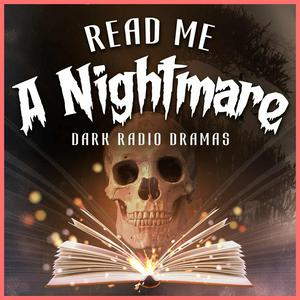 Download for free in the App Store
radio.net
Sleep timer
Save favorites
Available Episodes
5 of 55
- 55 Strategies for Short Fiction with Mark Leslie, Matty Dalrymple and Angelique FawnsThis episode was originally created for the Stark Reflections podcast and hosted by Mark Leslie. I’m rebroadcasting it here on Substack for my short fiction writing friends. If you're a short story writer, or would like to be, you can’t miss this episode!Mark and Matty wrote an absolutely wonderful guide called Taking the Short Tack: Creating Income and Connecting with Readers Using Short Fiction, and this conversation is based on advice from that book.I consider Mark one of my mentors, and I learned so much from a consulting session with him (you can book your own HERE). It was on his advice that I reused my shorts in collections and braved a Kickstarter.Matty is a new find for me, and not only have I fallen in love with her, but I’m also obsessed with her character, Ann Kinnear. (This protagonist solves mysteries AND talks to dead people.)Here is a bit of what you’ll hear…Mark’s Take: Short Fiction Builds Careers Over TimeMark started writing in the 1980s, when selling short stories to magazines was the way to break in. Editors looked for proof you could deliver clean, compelling writing in a tight format.But decades later, Mark still finds short fiction valuable because:* You can sell it multiple times (first rights, reprints, anthologies)* You can collect stories into themed mini-books* You can serialize audio versions on YouTube or podcasts* You can use them in Kickstarters or special editions* You can pair them with long fiction for reader magnets or bundlesIn Mark’s world, a single story has many lives.Matty’s Take: Short Fiction Serves Your Existing ReadersMatty didn’t start in short fiction—she added it after she had two suspense novels out. But she realized:* Readers wanted more stories in the same world* Short fiction let her keep fans engaged between novels* Standalone shorts sell surprisingly well as ebooks* Holidays & seasons create perfect mini-launch momentsHer readers binge a full series… and then can keep getting a fix with the shorts.Short fiction becomes continuity glue.But Angelique, I’m not ready to do a full novel series? (Yup, I’m not quite there yet either.)This is my method and how Mark grew his career:* Write a story* Start with the highest-paying markets* Work your way down* Track your submissions* Push for pro rates when possible* Sell reprints after first publication* Later, collect the stories into minis or anthologiesWhy this works:* You build credentials quickly* You build relationships with editors* You grow an audience organically* You can resell the same story multiple times* You keep building a library of IPA 3,000-word story at pro rate (8 cents/word) earns $240—as much or more than many books earn in a full year.Short fiction can pay.Matty uses short fiction a little differently:* Standalone stories for $1.99* Available on Amazon, her website, and especially Curios* Seasonal releases (Halloween, Thanksgiving, etc.)* Shorts tied directly to her existing series* Audio editions added for bonus valueWhy this works:* Readers already love her worlds* They will pay small amounts for more content* Direct platforms give better revenue splits* Audio + ebook bundles add high perceived value* No waiting months for rejections* No rights tangles, no contracts to decodeTools, Platforms, and ServicesHere are the most useful tools that came up in our conversation.So, I’d never heard of Curios before, but it’s Matty’s fav tool. (Here is her store) https://www.curios.com/creators/mattydalrymple-X449BRCURIOSPerfect for direct sales.* Writers keep 100% of the list price* Readers pay the fees* Has its own e-reader and audio app* Allows ebook + audio bundles without price-parity issues* Costs around $20/yearI personally use Gumroad, but in two years, I’ve earned a total of $3.74, so I’m not sure it’s working for me. BOOKFUNNEL Matty, Mark, and I use BookFunnel to:* Deliver reader magnets* Deliver short story collections* Send ebooks securely* Reduce tech headaches for new subscribers* Host downloads for Kickstarter backers* Track who actually downloads the bookDRAFT2DIGITAL For print copies of short stories:* D2D Print auto-builds your wraparound cover* As long as you reach ~24–30 pages, it works* Great for in-person events, swag, bundles* Extremely low print costThese are powerful as:* giveaways* Kickstarter add-ons* “buy-two-books-get-a-short-free” convention dealsRights, Risks, and PitfallsWatch out for:* Markets that count public drafts as “published”* Anthologies grabbing all rights forever* Ambiguous language around audio or film rights* Submission platforms that default to “public”If you want to learn more about short fiction contracts, Michael La Ronn has a great video HEREUsing Short Fiction to Build Novels Matty writes short pieces inside her Ann Kinnear world.Mark has reused stories across platforms for 20+ years.And I’m now writing my stories inside the universe of my novel-in-progress. (You can join the adventure! I’m posting my Roxie stories on Substack as a serial fiction experiment.) The benefits:* You find your world’s voice faster* You test ideas in real time* Readers become invested before the novel even launches* Editors help you refine aspects of the world* You get paid while you’re still writing the book* Your future novel launches to a warm audience—not a cold oneTakeaways from this chat1. Never pay to be rejected.Submission fees? Skip them.2. Decide on your path: submissions or direct-to-consumer.Both work. The trick is consistency.3. Track your submissions religiously.Create your own spreadsheet, Duotrope, Submission Grinder. Whatever works for you!4. Be patient with markets; be fast with your writing.Editors may take months.You don’t have to.5. Resell everything you can ReprintsPodcastsMini collectionsKickstartersYouTube audiosAnthologiesDirect salesPrint chapbooks6. Use short fiction to feed your series.Your novels will thank you.7. Short fiction isn’t a side hustle. It’s a toolkit for:* improving your craft* expanding your universe* growing your readership* testing ideas* earning real money in small bursts* building your author identity one story at a timeI hope you enjoyed this episode as much as I did! So much GOOOOOD stuff here.And wait… There’s more!I’m hoping to have Matty Dalrymple on as a guest in the very near future, and feature some of her short story writing!!Those collections/anthologies I created on Mark’s advice?Right here:And if you want to dive deeper into “Taking the Short Tack”- look HERE This is a public episode. If you'd like to discuss this with other subscribers or get access to bonus episodes, visit angeliquemfawns.substack.com/subscribe--------1:03:37
- 54 To Be More Like Them & Edo van BelkomEdo van Belkom shares his original YA horror story, followed by a candid and entertaining chat. They picked on the wrong kid… It’s not her face that’s scary. Plus, learn how Edo drove (literally) to writing success and a full-time career. And… why he chooses to hold down another job. We start this episode with a reading of “To Be More Like Them” performed by Karen Shute, one of our voice actor regulars. This short can be found in Death Drives A Semi.Then Edo van Belkom regals us with career anecdotes and writing advice. Edo’s first short story was reprinted in Year’s Best Horror Stories 20, launching a career that has produced over 200 stories and won both Bram Stoker and Aurora awards. He’s written more than a dozen novels including SCREAM QUEEN, BLOOD ROAD, MARTYRS and TEETH, plus a 15-year serial for Truck News Magazine following Mark Dalton, a former detective turned truck driver. His work spans horror, action-adventure novels for Harlequin’s Deathlands series, erotica, and three books on writing craft (Writing Horror, Writing Erotica, and Northern Dreamers). His Silver Birch Award-winning YA novel WOLF PACK inspired the 2023 Paramount+ series created by Jeff Davis and starring Sarah Michelle Gellar.Find Edo at https://www.facebook.com/edo.vanbelkomPack a lunch, climb on the school bus, and hang on tight. It’s time for a ride…If you enjoy these interviews, help me keep making them! Join the next tier. Kind of like one Starbuck’s coffee a month.AF: Listeners just heard your story “To Be More Like Them,” which is creepy and disturbing. Can you tell me the inspiration behind it?EVB: I convinced the publishers of the Wolf Pack books to let me do anthologies for young adults. The first one was Be Afraid, and my whole idea was to have teenage problem stories with a horror bent. I had no experience doing YA back then—my job was to sell books and get work, so I bullshitted all the time about my experience and abilities. I put out the call for problem stories with a fantastic twist, and I had to write one myself. At the time I was working part-time as a school bus driver. I’d go out in the morning for an hour and a half, then have a six-hour block in the middle of the day to write, then do the run at the end of the day. It was a great job—stress-free because when you parked the bus at the end of the day, you didn’t have to worry about that job anymore until the next day.AF: And the school bus kids inspired the story?EVB: When I was driving the school bus with these private school kids—who were supposed to be better and everything—they were absolutely vicious. If anyone showed a sign of weakness, they jumped on that person in a group. That’s all in the story, that whole experience. There’s nothing more cruel than a bunch of kids finding the weak one in the pack and just tearing them to shreds. The ending, which I’m very proud of, came from reading a similar ending somewhere. I often do that—I read a lot of stories and think, “Ah, that’s how you end this kind of story.” I said I didn’t know anything about young adult books, but that book was a Canadian Library Association Young Adult Book of the Year finalist and also won a Children’s Book Center Our Choice Award.AF: So this story was truly the inspiration for Wolf Pack?EVB: I have to give credit to my wife, who at the time was working as a children’s librarian. She was always saying I should do young adult. The adult career kind of stalled with my mass market paperbacks Scream Queen and Blood Road—whether they didn’t make it into stores or wasn’t the right time, sales decided maybe it wasn’t for me. So I moved on to young adult. The idea stemmed from Be Afraid—what if a forest ranger finds wolf cubs after a fire and brings them home, but realizes they’re werewolves, part human? I pitched it over the phone to the editor at Tundra Books, Kathy Lowinger, and she said it sounded great.AF: And it won the Silver Birch Award?EVB: It won the Silver Birch Award, which is voted on by elementary school children in grades four and five. There’s a list of ten books, and kids have to read a certain number before they can vote. To be on the list, you have to have 5,000 copies in print, so it went into a second printing immediately, and by the end of the year it had a third printing because all the schools in Ontario participating in the program had to buy a copy. I won by a landslide because I didn’t lose any of the girls, but all the boys loved it since it was an action adventure. One of my best experiences ever was at the award ceremony by the Lakeshore with thousands of kids bused in from all over. They’re all screaming, holding up your book like it’s a rock concert. I walked out on stage with a werewolf mask, tore it off, and they’re just screaming and cheering.AF: Amazing. For authors in the trenches looking at how they want their career to look, this is what success looks like.EVB: It’s easy to say I made it, but I ended up taking a regular job because things didn’t fall into place as nicely as they could have. Wolf Pack was made into a TV show twenty years after the book was published. If the TV series had happened at the time, I would’ve continued on with that boost, but it came twenty years later. I had certain goals—I wanted to be in mass market paperback, which I did several times. I wanted to be in a major magazine—the best I did was Cemetery Dance, the top magazine for horror at the time. I did premier anthologies like Year’s Best Horror Stories with my first published story, and Best American Erotica 1999. The hard part is being consistent and working all the time. I did twelve years full-time.AF: You were a full-time writer for twelve years?EVB: My wife and I had an agreement that it would be five years, but that just rolled past. My last full-time year as a writer, I made something like $40,000, which was respectable, especially for a Canadian writer. But I was doing everything—teaching night school courses, writing articles, writing trivia questions. It was a real grind. There’s a saying in artistry: it’s okay for me to suffer for my art, but it’s not okay for everyone around me to suffer for my art. So I decided to take a job and kept writing part-time.AF: Tell me about your serial in Truck News Magazine.EVB: I did a serial story about a trucker detective, Mark Dalton: Owner Operator, that ran for fifteen years in Truck News Magazine—fifty-five stories total. One chapter every month, so three stories per year. It paid very well—I got professional rates, eventually a standard $350 a month, then bumped up to $400. That’s almost a payment on something. Then they asked me to do a graphic story arc with a new truck driver immigrant to Canada, which lasted three years. At one point I was making $800 a month on that, which is pretty good for writers.AF: How did that gig start?EVB: When my first short story collection Death Drives a Semi came out, I was always looking for places to promote my work. I found Truck News Magazine at a truck stop and thought maybe I could send them a press release. I looked through the staff box and saw the editor was John G. Smith—I wondered if he was the guy who worked at the Brampton Times when I was working there as a daily newspaper reporter. Turns out it was. I gave him a copy of the book—there were three stories in it about truck driving. At first he said they could reprint one or two, but then said the stories weren’t really trucking industry positive, since the trucks go crazy and people die. I suggested writing something specifically for them—a former private detective who takes his truck on the road and can’t keep his nose out of other people’s business. The first year or two I’d go in and we’d discuss the next story, but after a while it was just whatever I wanted to do.AF: What made you the most money over your career?EVB: Without a doubt, the Wolf Pack series deal with Paramount Plus was by far the biggest. But over the course of ten or fifteen years, the truck driving serial was the best steady income. Then there were the mass market men’s magazine stories—I did fifty-five of those, too. I started at $250 US and could write them fairly quickly. Those checks were important early on. After a while, it became a grind—you can only explain sexual positions so many different ways. I used the name Evan Hollander for those because I wanted the focus to be on the real stuff or the good stuff.AF: You also did the Deathlands books for Harlequin?EVB: I did two Deathlands books for Harlequin Gold Eagle. They wanted 90,000 words, so I decided to write a thousand words a day for ninety days. My favorite anecdote is from Joel Lansdale—someone at a convention asked him how to write a novel, and he said, “You sit down in a chair in front of a typewriter, and you don’t stop typing until you finish the book.” That’s it. We had a family cottage then, and I’d take my son up there. I’d sit in the kitchen and do a thousand words, then we could go do whatever we want.AF: What are you working on now?EVB: I wrote four stories this year and sold two. One of the guys who took a story from me is saying they’re doing a novel line and asked if I’d be interested in contributing, which is great. I’ve got a year and a half or so to retirement, and I’m trying to ramp this up again. It reminds me of the pressure I was under when writing full-time—there’s an opportunity, so I’ve got to spend my waking hours thinking of something substantial.AF: What’s your day job now?EVB: For the last twenty years, I’ve been a prisoner escort officer with Peel Regional Police. I work at a courthouse in Brampton—we transport prisoners from the jail to the courthouse, from the cells in the basement up to the courtrooms. I drive a truck, so you could say I’m still a truck driver.Ths content is free! Please share with other horror fans and writers.AF: So what are our takeaways? Always have a day job or consistent source of income?EVB: Yes. Even when you’re successful, it’s so helpful to have a constant paycheck. And you try many different angles—sometimes you get the constant gig like the truck gig, which was phenomenal.AF: Where can people find you?EVB: Facebook—your granddad’s social media. https://www.facebook.com/edo.vanbelkomI post fairly regularly. I’m also on Instagram, X, and Threads. Just type in Edo Van Belkom on any social media platform. I have a bunch of videos on YouTube—some talk about Wolf Pack.https://www.youtube.com/@edovanbelkom9304 This is a public episode. If you'd like to discuss this with other subscribers or get access to bonus episodes, visit angeliquemfawns.substack.com/subscribe--------48:25
- 53 Hungry Waters by Robert E. StahlToday’s episode features a short story read by the author, Robert E. Stahl.Hungry Waters was originally published as the winner in the November (Halloween) 2024 issue of Flame Tree’s Flash Fiction Newsletter Contesthttps://www.flametreepress.com/newsletters/flame-tree-fiction-newsletter-november-2024-monster-masquerade/Robert E. Stahl recently released his first collection of short stories! We chat about the publishing process, the world of short (and long) story writing, horror movies, and meander down other ghoulish paths of creation.Learn how he made an award-winning short horror film, “Trick” for $2000!You can even watch it free, here. I provide most of my insights and interviews for free, but there are goodies for those who join a paid tier. Put on your swimsuit, and grab a tin foil hat. We’re going swimming in some dangerous waters. An interview with Robert E. StahlHorror author and movie producerAF: You're a full-time writer?RES: Oh, literally, like all day long.AF: That's hilarious. You must really love writing to then sit down and spend your extra hours back at the keyboard.RES: Oh, must I? Yes, I do. Sometimes the challenge is after a full day at work to find that urge to come home and do more writing. But that is why I'm here. I think that's why God put me on Earth is to write. So it's a blessing that I have that problem.AF: “Hungry Waters” won the Flame Tree flash fiction prompt, didn't it?RES: It did win. I submitted that for an open call that was called Monsters and Masquerade. It’s about a killer wave pool that's actually an alien in disguise and it's eating people. So yeah, I was happy to have that one picked up by Flame Tree. Super excited. That was my second win. Back-to-back in two months with Flame Tree. Which is an anomaly that I think rarely happens. And I've sent stories into Flame Tree since then and have not had them picked up. So my streak is officially over.AF: So let's talk about your collection. What made you choose a more traditional route versus indie?RES: Probably ever since I was a kid, I wanted to connect with a publisher. That was the white whale I'd built in my head of what I wanted for myself. I think a publisher can also give you a little gravitas when it comes to marketing—a little extra boost. They’re also a source that vets the stories. So they're curated.AF: So let’s talk about the incredibly visceral art you chose – or they chose – for it.RES: That is all me, girlfriend.AF: You have lovely teeth, and those teeth are pretty horrific.RES: You have to read the collection to understand why I chose teeth for the cover, but I was looking at some of the covers that JournalStone has done in the past. They do a great job with covers, but I wanted something a little different—something that would stand out, just being simple, a graphic and scary. So I landed on this idea of the teeth.AF: Have there been many pre-orders or how are sales so far?RES: I'm trying not to look at sales so far. It's only been on sale for about 10 days. So I'm trying not to just bog myself down with all that stuff. I'll check eventually, but right now I'm not really worried about it.AF: Let's talk about the movie making... tell me how that happened.RES: Sure. So I'd always been interested in filmmaking and I love movies and I love to write. About five years ago I started playing around with screenplays—just turning some of my own stories into screenplays just to see what it felt like. And then I got wind of a local film competition. It's in Dallas and for beginners. So, basically it's a competition where they give you a certain amount of time to make a movie. For example, three months. A short film that’s less than 10 minutes. So I started networking with some people that I met there, and all of a sudden I had a script. Then I had a director and a team. So the group of us just busted our butts. And in three months came up with a short film called Trick. We entered the competition, and to everyone's surprise, including mine—we won first place.AF: What sort of budget do you look at to make these kinds of movies?RES: Every little thing you do costs money. So you have (hopefully) some kind of funding. I funded a lot of it myself. I did a little GoFundMe and a lot of people contributed there also. And then I had some people donate their time—like some of the talent. The crew just donated their time to make this movie. I was lucky enough to find people that had a passion for film and we connected and shared the same passion and they were willing to do that with me. You always go over budget. It's really hard to manage all of that stuff.AF: So how much did Trick cost, if you don't mind me asking?RES: Trick was probably less than $2000.AF: What’s your next big writing goal?RES: Just to keep moving forward and taking on new things. I'm currently working on a comic book script. That's my goal for this month. I hope to do novels and novellas probably by the end of the year, and to keep writing short stories. I probably have enough to fill out half of a collection. So I just need about 12 or 15 more.AF: What is the next thing I can see from Robert?RES: I'm working on that comic book script. I'm studying them. I have an idea that I'm going to develop and there's an open call that ends on the last day of this month, and I'm going to send it in and see how I do.AF: Any last words of advice for authors chasing this dream?RES: They say that no writing is wasted writing—that we learn through everything we do. I think sometimes when the world gets to us, we just have to remember thatthere's something in us that really loves to do this thing no matter which aspect it is. And we just have to keep our nose to the grindstone and keep hoping for the best – learning and getting better.If you’d like to read the anthology I published and featured Robert in, here it is!Treats is a Halloween-themed tale with some serious creep factor.https://books2read.com/CursedandCreepyThank you for listening/reading!! This is a public episode. If you'd like to discuss this with other subscribers or get access to bonus episodes, visit angeliquemfawns.substack.com/subscribe--------30:15
- Top 3 reasons why I moved to SUBSTACKWhy Substack is a no-brainer for fiction writersI came to Substack when MailerLite began charging me after I passed 1000 subscribers. Who knew how much AWESOMENESS I would find on this platform?Please take a peek at my short video, but here are the highlights* Your newsletter is delivered for free. And your podcast. Win. Win.* Discoverability! Substack is the new cool place to hang out for authors. My list doubled in just a few months.* Pretty dang simple to use. (Hey, if I could figure it out…)* The paid option is wonderful. You don’t have to use the pay wall, but you have the option to create tiers of supporters. I keep mine 98% free.* You actually own your list. If Substack vanished tomorrow, you still have your readers.* Really nice people hang out here. * If you want to join my little posse of paid subscribers, here’s that button!! You get free books, a free masterclass on ad copy writing, and my undying thanks. Basically: if you’re a storyteller, it’s a fun way to share your work, grow your fanbase, and find other weirdos just like you. This is a public episode. If you'd like to discuss this with other subscribers or get access to bonus episodes, visit angeliquemfawns.substack.com/subscribe--------2:20
- 52 A Monstrous Bid by Robert F. LowellHow do you win Writers of the Future and what happens in Hollywood? This podcast features a short story read by the author, Robert F. Lowell.A Monstrous Bid was originally published in Flash Fiction Online in Feb 2024, can be read here:https://flashfictionmagazine.com/blog/2024/02/19/a-monstrous-bid/Robert F. Lowell (Fred) is a friend from my writing group, and he just returned from the Writers of the Future gala because his story was a winner and can be found in Volume 41, which was just released! We’ve also shared a TOC in the LTUE anthology Dog Save The King.Here is his self-written bio:In previous professional lives, Robert researched and wrote about international relations, weapons of mass destruction, and terrorism. He taught at universities in the US, Costa Rica, and Switzerland and was kissed by a dancing horse in Siberia. Now he expands the universe of online learning as an instructional systems designer and writes about swords, sorcery, robots, aliens, and magic rabbits as a member of the Wulf Pack Writers Group. He, his Lady Wife, and at least one dog live in a town with very expensive weather on California’s Central Coast and travel in search of enchantment. His friends call him Fred.Thanks for reading Writing & Selling Stories with Angelique Fawns! This post is public so feel free to share it.Get your bidding card ready, and let’s listen to this short sci-fi story before we peek behind the curtain at the Hollywood gala for Writer’s of the Future winners. A chat with recent WofF Winner, Robert F. Lowell AF: Our listeners have just heard “A Monstrous Bid”, can you tell them about your inspiration for the story?R.F.L.: A couple of years ago, Scott Noel, the editor of DreamForge, who’s a great guy, put out a call for stories featuring futures where material scarcity was a thing of the past. Of course I immediately thought, if there’s no scarcity, if everybody has everything they want, what conflicts could still exist that would make interesting stories? Would there still be any material things, or non-material things like status, that people would fight for? About the same time, Lady Lowell, my brother-in-law and his wife, and I went to an auction for vintage and classic cars. That made me think, what would people bid if there was no need for money? And those two ideas came together.BTW, I have another car-related story in the anthology “Magic Malfunction,” which debuted this month from Raconteur Press.AF: You just returned from your week in Hollywood! Give us an insider’s scoop of what happened there.R.F.L.: Writers of the Future is the world’s biggest amateur talent search for speculative fiction authors. There’s a parallel competition for illustrators. I was blessed to be one of the winners last year. There is a monetary prize, but the biggest prize by far is the weekend workshop in Hollywood. It was led by Jody Lynn Nye and Tim Powers, with contributions from giants of science fiction and fantasy, including Larry Niven, whose stories got me hooked on SF, Orson Scott Card, Katherine Kurtz, Kevin J. Anderson, Robert J. Sawyer, Mark Leslie Lefebvre. It was intense – sometimes they had us going from 8:30 until midnight. It ends with a gala dinner and awards ceremony, like the Oscars except more fun, where they announce the grand prize winners. My story “Kill Switch” didn’t win the Golden Pen, but my artist Jordan Smajstrla won for her absolutely brilliant illustration for my story.Seeing her illustration at the art reveal was the best part of the workshop for me. The worst part was the 24-hour story, because I like to plan my stories and let them simmer after I write a good draft. but I got through that and proved to myself that I could do it.AF: Tell us about your writing journey and your strategy for winning this contest?R.F.L.: I’ve been writing non-fiction for almost 40 years for various jobs and published a number of books and papers, but I’d always wanted to write a book that I would actually enjoy reading, and hope others would enjoy too. When covid hit, two things came together. One was that I started running online Dungeons & Dragons games, which I hadn’t done for decades, for my friends because we couldn’t get together in person. That got me thinking, “I’m spending so much time and energy designing characters and coming up with plots for a few friends, whom I love, why am I not doing that for readers? Second, covid marked the first time that I seriously thought I might die very soon, so if I was ever going to achieve my ambitions for writing, I better get started. So I took a creative writing class, went to the Life, the Universe, and Everything symposium for SFF creators when that began again after covid, found a great writers group in the Wulf Pack Writers, and started submitting stories to Writers of the Future.For “Kill Switch,” I was experimenting with different genres and mashups of genres, and thought I’d try a hard-boiled detective story. I made my hero a robot because that allowed him to have both strengths and weaknesses greater than ordinary humans, both of which figure importantly in the story. I set it in a dystopian future San Francisco in homage to Raymond Chandler and other writers of hard-boiled fiction, because I’ve visited the city often, and because it broke my heart by becoming so expensively dysfunctional. It may be getting better now – I hope it doesn’t resemble my story when the at the time it takes place, which is the 150th anniversary of the Golden Gate Bridge.AF: Why do you think “Kill Switch” impressed the judges?R.F.L.: One thing I think was the mashup of genres reflected in the characters, which give the story kind of a retro-futuristic vibe. That’s reflected in the moral lines that the major characters cross and recross. I think the plot twists and the way they turn the hero’s strengths against him also played a big role.AF: Do you have any advice for other authors who wish to send stories to Writers of the Future?R.F.L.: First, base your story on a high concept or “big idea.” Don’t write just another military SF about badass space marines or romantasy with dragons and count on your original setting or magic system to get you in. Think of something that’s not well-explored in most stories you read and have your characters dive into it from another angle.Second, find some people whom you can trust to give honest feedback and get comments from them. These could be other writers – I can’t overestimate the value of a good writer’s group – or they can be readers who don’t write. Positive and negative comments from both these perspectives are invaluable.Finally, just do it! Keep writing and your style will come. Entering the contest is free and you can send in a story every three months. You can write a new story every time or, if you have one you really believe in, revise it and give it another chance. Don’t worry if your stories don’t do well at first. Mine certainly didn’t, and now with more writing experience I can see why they didn’t much more clearly. Some writers enter for decades and have lots of amateur publications before they win. So just do it!I provide most my material for free, but it takes lots of time. If you feel like supporting this podcast and newsletter, please join a paid tier. This is a public episode. If you'd like to discuss this with other subscribers or get access to bonus episodes, visit angeliquemfawns.substack.com/subscribe--------43:31
More Arts podcasts
 Fresh AirArts, Society & Culture, TV & Film, Books
 The MothArts, Performing Arts
 Bobby on the BeatArts, Society & Culture, Food
 Articles of InterestArts, Fashion & Beauty
 SpookedArts, Leisure, Society & Culture, Performing Arts
 Zero to Well-ReadArts, Society & Culture, Books
 Walk-In Talk PodcastArts, Health & Wellness, Society & Culture, Food, Mental Health, Places & Travel, Visual Arts
 99% InvisibleArts, Design
 The Best 5 Minute Wine PodcastArts, Leisure, Society & Culture, Food, Hobbies, Places & Travel
 ill-advised by Bill NighyArts, Comedy, Music, Books
Trending Arts podcasts
 The Maria Liberati ShowArts, Food
 Gloss AngelesArts, News, Entertainment News, Fashion & Beauty
 Bourbon PursuitArts, Leisure, Food, Hobbies
 Be My Guest with Ina GartenArts, Food
 Fiction Writing Made Easy | Top Creative Writing Podcast for Fiction Writers & Writing TipsArts, Education, Fiction, Books, Tutorials
 The Von Haessler DoctrineArts, Comedy, Education, Music, News, Society & Culture, Sports, Technology, TV & Film, Daily News, Improv, Music Commentary
 How to DecorateArts, Business, Design
 Immaterial: 5,000 Years of Art, One Material at a TimeArts, Visual Arts
 BacklistedArts, Leisure, Books, Hobbies
 Old Time Radio WesternsArts, Kids & Family, Performing Arts
 Learn to Paint PodcastArts, Design, Visual Arts
 Gunsmoke | OTRWesterns.comArts, Fiction, Kids & Family, Drama, Performing Arts
 The Jimmy Dore ShowArts, Comedy, News, Performing Arts, Politics
 Meditation music. Peaceful calm music 528, 432 HzArts, Kids & Family, Music
 Throwing FitsArts, Fashion & Beauty
 A Cozy Christmas PodcastArts, Books
 THEMOVEArts, Sports
 The Next Big IdeaArts, Education, Books, Self-Improvement
 Radio Cherry BombeArts, Business, Society & Culture, Careers, Food
 Scary Stories and RainArts, Performing Arts
 Biscuits & JamArts, Music, Food, Music Interviews
 This Is TASTEArts, Food
 文化有限Arts, Fiction, TV & Film, Books, Drama, Film Reviews
 What Should I Read Next?Arts, Leisure, Books
 Business of Home PodcastArts, Business, Design, Entrepreneurship
 Fashion PeopleArts, Business, Fashion & Beauty
 History of Westeros (Game of Thrones)Arts, Books
 The Run-Through with VogueArts, Fashion & Beauty
 The AllusionistArts, Education, History
 The Newest OlympianArts, Comedy, TV & Film, Books, TV Reviews
About Read Me A Nightmare
"Read Me A Nightmare" brings strange short stories to life. A fan of Twilight Zone? Tales from the Crypt? Mixing genres, these tales come from the realms of sci-fi, fantasy, horror, and comedy. A writer yourself? Stay tuned after the readings for interviews with editors, publishers, voice actors and other interesting folks in the industry. Visit www.fawns.ca to learn more. Please --if you enjoy the episode, leave a review! angeliquemfawns.substack.com
Podcast websiteListen to Read Me A Nightmare, Fresh Air and many other podcasts from around the world with the radio.net app
Get the free radio.net app
- Stations and podcasts to bookmark
- Stream via Wi-Fi or Bluetooth
- Supports Carplay & Android Auto
- Many other app features
Get the free radio.net app
- Stations and podcasts to bookmark
- Stream via Wi-Fi or Bluetooth
- Supports Carplay & Android Auto
- Many other app features

Read Me A Nightmare
Scan code,
download the app,
start listening.
download the app,
start listening.
 USA
USA