
Listen to this podcast in the app for free: Download for free in the App Store
radio.net
Sleep timer
Save favorites
116 episodes
The History of Fall Fashion with Deirdre Clemente
10/21/2026 | 52 mins.Why do we collectively change our wardrobes the second the leaves turn? In this episode of Grandma's Silver, we explore the fascinating history, cultural rituals, and marketing machines behind the official "autumn dress code."
Every fall, we pack away our summer linens and reach for specific textures: plaid, flannel, tweed, wool, corduroy, and heavy cable-knit sweaters. But this seasonal wardrobe reset is about much more than dropping temperatures.
Joining host Allie Kochinsky to unpack the social meaning behind what we wear is acclaimed fashion historian and author Deirdre Clemente. Together, they trace the unexpected origins of your favorite everyday garments and explore how heritage style became a multi-billion-dollar seasonal industry.
In this episode:
The history of fall fabrics
How collegiate style and heritage retail giants commercialized the "fall aesthetic."
Fashion as cultural memory
RESOURCES:
Visit Deirdre's website here.
Follow along on Instagram.
Purchase Dress Casual: How College Students Redefined American Style.
If you enjoy Grandma’s Silver, follow the podcast and share this episode with a friend who loves heritage, design, and timeless living.Preserving America’s Historic Cider Traditions with Bill Michaels
10/14/2026 | 33 mins.In this episode of Grandma's Silver, Allie Kochinsky steps into the crisp air of upstate New York to explore the rich history of the Fly Creek Cider Mill & Orchard. Built in 1856, this water-powered mill has survived centuries by blending historical preservation with the cozy rituals of the fall harvest.
Joining the conversation is second-generation owner Bill Michaels, who shares how his parents saved the abandoned structure in 1962 after falling in love with its lore. Bill pulls back the curtain on the multi-generational family legacy, the engineering behind their original 1889 water-hydraulic press, and why the act of gathering for fresh cider, mill-aged cheese, and applewood smoked traditions matters more than ever today.
RESOURCES:
Visit the Fly Creek website.
Follow along on Instagram and/or Facebook.
If you enjoy Grandma’s Silver, follow the podcast and share this episode with a friend who loves heritage, design, and timeless living.The Lost Language of Household Linens with E. Braun & Co.
10/07/2026 | 39 mins.In this episode of Grandma's Silver, Allie Kochinsky is joined by Ric and Stephanie Barbatelli, co-owners of E. Braun & Co., the historic New York linen house whose roots trace back to Vienna in 1893. Together, they continue a legacy built on exceptional craftsmanship, timeless design, and the belief that everyday objects should be made to last.
The conversation explores the forgotten traditions surrounding household linens, from bedding to beautiful tables.
In this episode:
The history of E. Braun & Co.
Why fine linens were once treasured family heirlooms
The craftsmanship behind luxury bedding and table linens
Why buying fewer, better things is timeless
RESOURCES:
Visit the E. Braun & Co. website here.
Follow along on Instagram and/or Facebook.
If you enjoy Grandma’s Silver, follow the podcast and share this episode with a friend who loves heritage, design, and timeless living.The Art of the Bath: Marissa Geoffroy on Sherle Wagner
09/30/2026 | 35 mins.In this episode of Grandma's Silver, Allie Kochinsky sits down with Marissa Geoffroy, Chief Creative Officer and third-generation leader of Sherle Wagner International, to explore the intersection of artistry, craftsmanship, and family legacy.
Sherle Wagner transformed kitchen and bath fixtures into high-quality works of art, proving that even the most functional objects in a home can be thoughtfully and beautifully designed and made. As both a fine artist and the steward of her family's American design house, Marissa shares how she balances honoring tradition while guiding the company into its next chapter.
In this episode:
The history of Sherle Wagner International
What it means to steward a third-generation family business
Why beautifully made everyday objects matter
The relationship between fine art and functional design
Craftsmanship and legacy
Restoring the Plaza Hotel's swan sinks
The making of The Art of the Bath
RESOURCES:
Visit the Sherle Wagner website here.
Follow along on Instagram.
Purchase the book.
If you enjoy Grandma’s Silver, follow the podcast and share this episode with a friend who loves heritage, design, and timeless living.Historically Inspired Lighting with Authentic Designs
09/16/2026 | 51 mins.In this episode of Grandma's Silver, Allie Kochinsky is joined by Michael and Lucas Krauss, the father-and-son team behind Authentic Designs, a Vermont-based company that has handcrafted historically inspired lighting for more than sixty years.
As part of the podcast's collaboration with Colonial Williamsburg's WILLIAMSBURG brand, this episode explores how traditional lighting has shaped everyday life for generations, from welcoming guests at the front door to creating a gathering place around a table. Michael and Lucas share the story of their family-run business, the artistry behind handcrafted lighting, and how a collaboration with WILLIAMSBURG continue a tradition of American craftsmanship rooted in history.
Along the way, the group discusses why historic design feels relevant today and what it means to create products meant to last.
In this episode:
The story behind Authentic Designs
Why historically inspired lighting still resonates
The craftsmanship behind handmade American lighting
Lighting as an essential part of hospitality and home
Collaborating with the WILLIAMSBURG brand
Creating heirloom-quality objects that illuminate daily life
RESOURCES:
Visit the Authentic Designs website here.
Follow along on Instagram and/or Facebook.
If you enjoy Grandma’s Silver, follow the podcast and share this episode with a friend who loves heritage, design, and timeless living.
More Arts podcasts



Trending Arts podcasts

























About Grandma's Silver
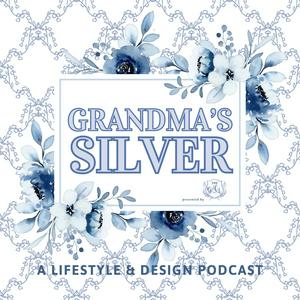
Grandma’s Silver explores the culture of everyday life, from design and interiors to food, tradition, and the rituals that shape how we live.Hosted by Allie Kochinsky, each episode features thoughtful, approachable conversations with designers, historians, and tastemakers, uncovering the meaning behind timeless style and enduring traditions.New episodes every Wednesday.
Podcast websiteListen to Grandma's Silver, Stories of Art and many other podcasts from around the world with the radio.net app
Get the free radio.net app
- Stations and podcasts to bookmark
- Stream via Wi-Fi or Bluetooth
- Supports Carplay & Android Auto
- Many other app features
Get the free radio.net app
- Stations and podcasts to bookmark
- Stream via Wi-Fi or Bluetooth
- Supports Carplay & Android Auto
- Many other app features

Grandma's Silver
Scan code,
download the app,
start listening.
download the app,
start listening.
 USA
USA